Land4 min read
United States Bets $58.6 Billion on PAC-3 MSE, but Patriot Interceptor Math Still Lags Demand
The US has committed up to $58.6 billion to triple PAC-3 MSE capacity to about 2,000 a year by 2030, with Boeing and L3Harris now under contract for seekers and motors. Yet Lockheed delivered 620 in 2025, while the Army and Navy alone have asked for 3,203 in fiscal 2027.
By Michael Korten ·
In 2025 Lockheed Martin delivered 620 PAC-3 MSE interceptors, more than 20% up on the year before. For fiscal 2027 alone, the US Army and Navy have asked for 3,203. That gap, roughly five years of last year's output in a single budget request, is the problem Washington has now put close to $60 billion behind.
In ten months the Department of War has turned a January handshake into a full supply-chain order book. A seven-year framework signed on 6 January set the goal of lifting annual PAC-3 MSE capacity from about 600 to 2,000. A $4.7 billion undefinitized contract action for the first year followed in April. On 29 July a modification worth up to $53.86 billion took the multiyear total to $58.62 billion, and $52.5 billion of it now sits in the record $292 billion backlog Lockheed reported in October.
Under Secretary of War for Acquisition and Sustainment Michael Duffey framed the deal as "providing industry with the long-term demand signals it needs to build a resilient supply chain." Lockheed chief executive Jim Taiclet said the company is "moving with wartime urgency."
What $58.6 billion actually buys
The headline number is a ceiling, not a delivery schedule. Both awards are undefinitized contract actions: work can start before price and quantities are fixed, and neither announcement gives an annual delivery rate. Lockheed's own target is to "triple capacity by the end of 2030". That is capacity, not output, and a date four years away.
What the money does buy is visible on the ground. Lockheed says it will invest $8 billion to $9 billion across more than 20 US sites through 2030. At Camden, Arkansas, where every PAC-3 MSE is assembled into an all-up round, the workforce is set to grow from about 1,200 to roughly 1,850.
The bottleneck is not the final assembly line
A missile factory is only as fast as its slowest supplier, and the PAC-3 MSE depends on two long-lead parts Lockheed does not build itself. That is why most of the 2026 money has flowed down the chain:
- Seeker: Boeing received an undefinitized award worth about $14.7 billion from Lockheed on 5 October, which Boeing says lets it triple PAC-3 MSE seeker production in Huntsville, Alabama.
- Rocket motor: L3Harris, which absorbed Aerojet Rocketdyne, won a $4.7 billion, seven-year subcontract on 8 September for the two-pulse solid rocket motor, attitude control motors and lethality enhancer. Its two new Camden plants are due to open in 2027.
- Second source: Northrop Grumman's $1.6 billion order for PAC-3 MSE propulsion and components eases the dependence on a single solid rocket motor supplier that has slowed US munitions for a decade.
- New entrants: GM Defense signed to make PAC-3 MSE housings on 6 August and delivered its first batch 22 days later, a sign that automotive suppliers are now being pulled into missile work.
The sequencing matters. Adding final-assembly bays in Camden does nothing if seekers and motors arrive at the old rate, and the new motor plants only come online in 2027. Realistically, the steep part of the ramp falls between 2027 and 2030, not now. The GAO's finding that the Pentagon still lacks an overarching munitions production plan is a reminder that each of these lines was funded on its own.

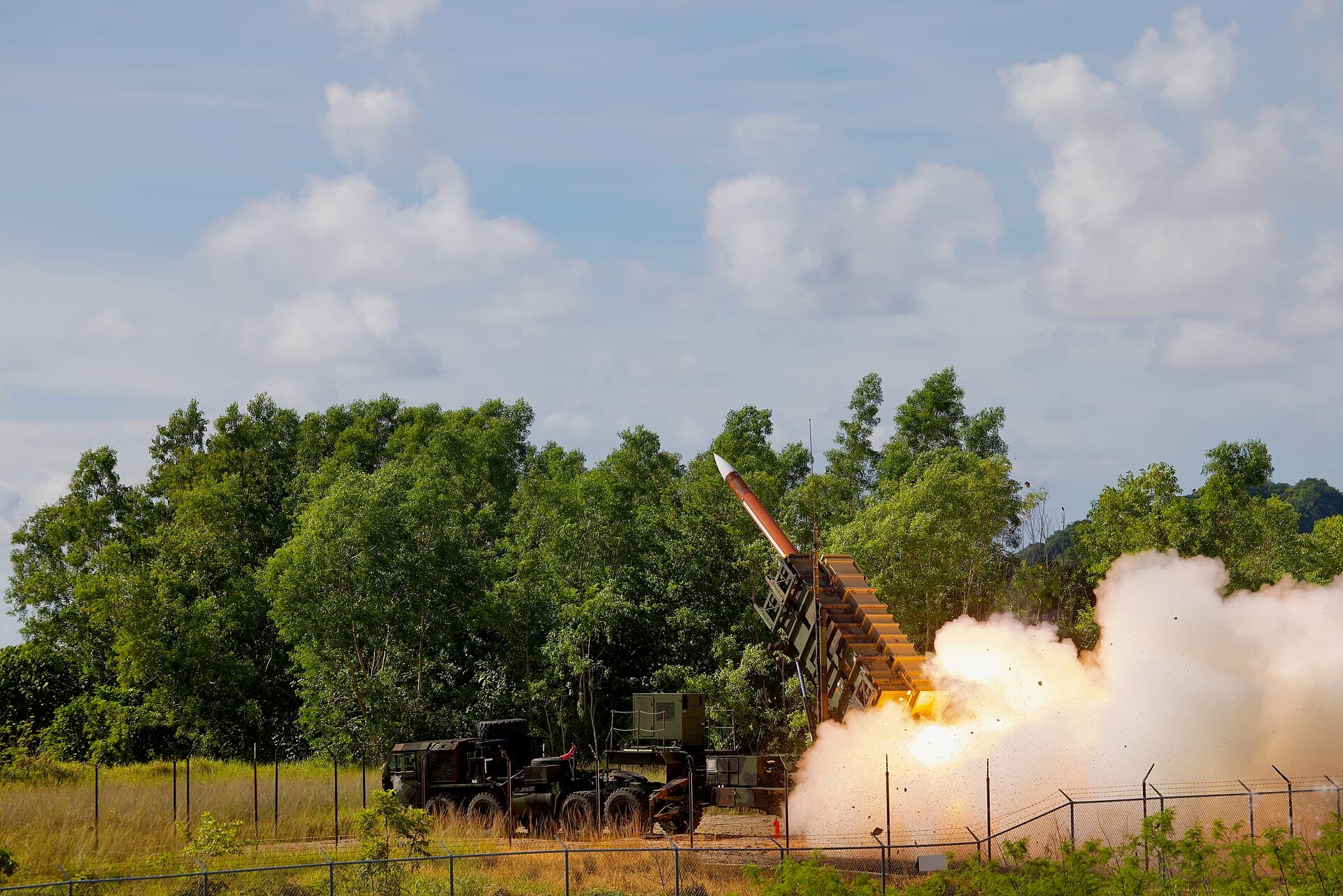
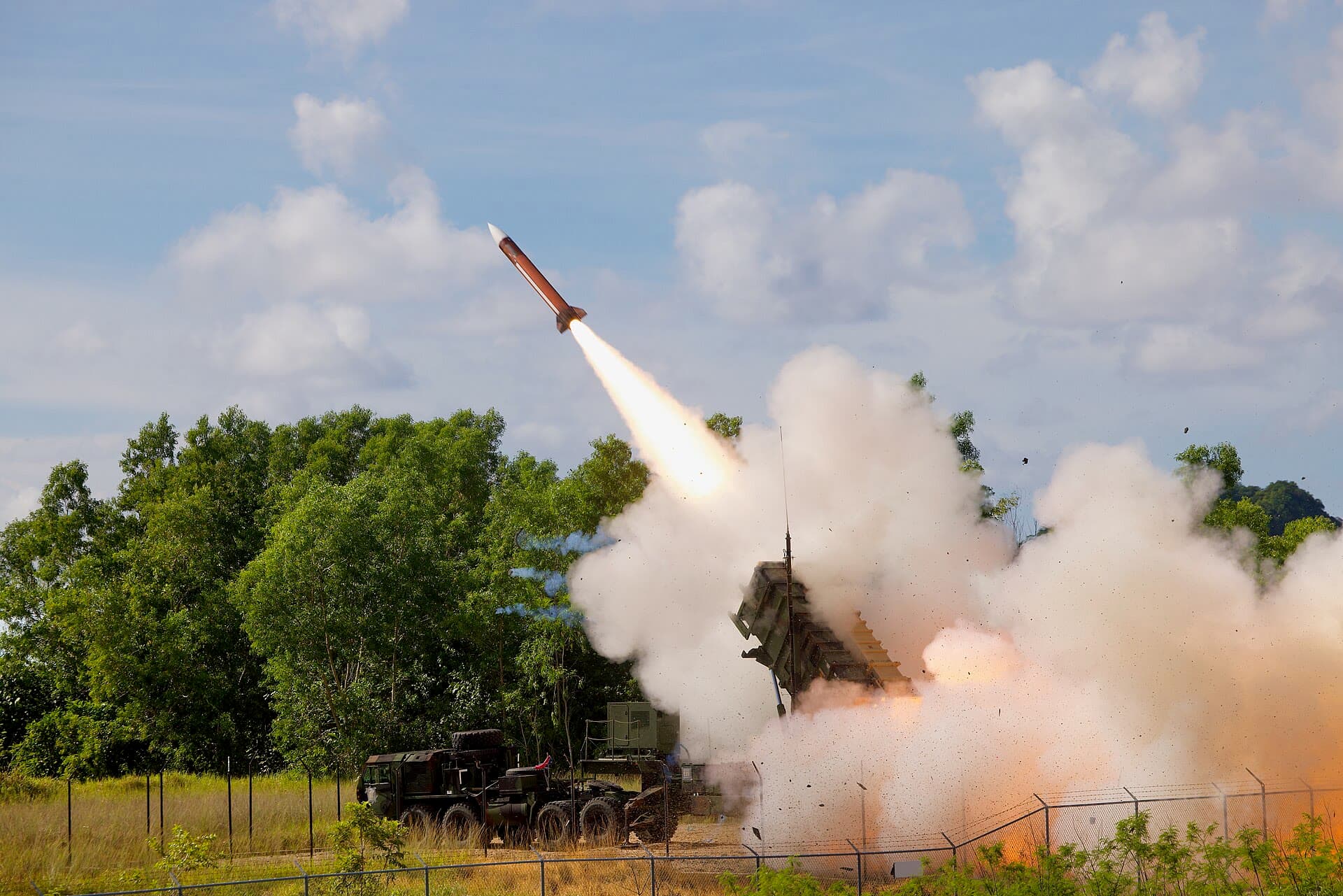
A US Army Patriot launcher fires during a coastal air defence event at Exercise Balikatan 23 in the Philippines, April 2023. File photo.
The demand side of the equation
The fiscal 2027 request is the sharpest measure of appetite: 2,798 PAC-3 MSE for the Army and 405 for the Navy, which plans to fire the missile from Aegis destroyers. Congress has not yet passed that budget, and the numbers may change. Even so, one year of US requests alone is about 60% above the 2,000-a-year target capacity.
Allies sit on top of that. Most of the April year-one money was funded through foreign military sales, and the wars in Ukraine and with Iran have driven fresh orders. Germany's defence minister Boris Pistorius has lobbied Washington to allow PAC-3 MSE production in Germany. The COMLOG plant at Schrobenhausen, a Raytheon and MBDA joint venture due to deliver its first missiles in early 2027, builds the older PAC-2 GEM-T, not the MSE.
Doctrine sharpens the arithmetic. Against a ballistic missile, Patriot units commonly fire two interceptors per target to raise the chance of a kill, although the exact ratio depends on the threat and the commander. At two shots per engagement, 2025's 620 deliveries cover about 310 ballistic missile engagements worldwide. At 2,000 a year, about 1,000.
Cheaper shots and a layered defence
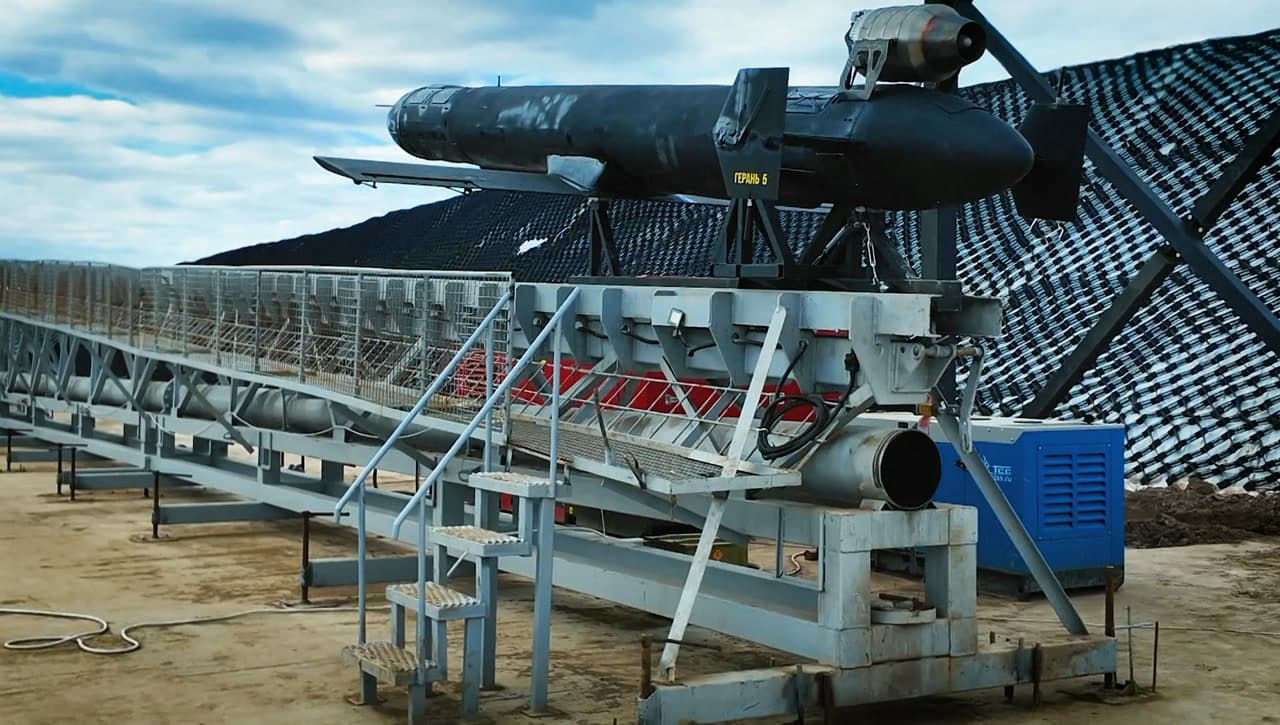
Each PAC-3 MSE is valued at around $4 million, according to Defense News, against roughly $35,000 for a Shahed-type drone. Spending Patriots on drones drains the stock meant for ballistic and cruise missiles. Lockheed unveiled the PAC-3 Adapted Capability Effector in July, pitched at less than half the cost of an MSE. European buyers are also hedging with SAMP/T NG and IRIS-T SLM, while guns and short-range counter-drone systems take the cheap threats off Patriot's hands.
Why it matters
The 2026 contracts fix the most visible problem: industry now has seven years of money and a clear signal. They do not close the gap between what is wanted and what can be built before the end of the decade. Even at full rate, one year of US requests would absorb more than a year and a half of capacity before a single export order is filled, and a crisis in Europe and the Indo-Pacific at once would burn through a year's production in weeks.
Three things will show whether the ramp is real: Lockheed's 2026 delivery total, due with its fourth-quarter results in January 2027; the first rocket motors from L3Harris's new Camden plants in 2027; and whether Congress funds the 3,203-missile request. Until then, the interceptor math still favours the attacker.