Air3 min read
Poland Says a Swedish Gripen Was Cleared to Shoot Down a Kh-101 but Weather Blocked Identification
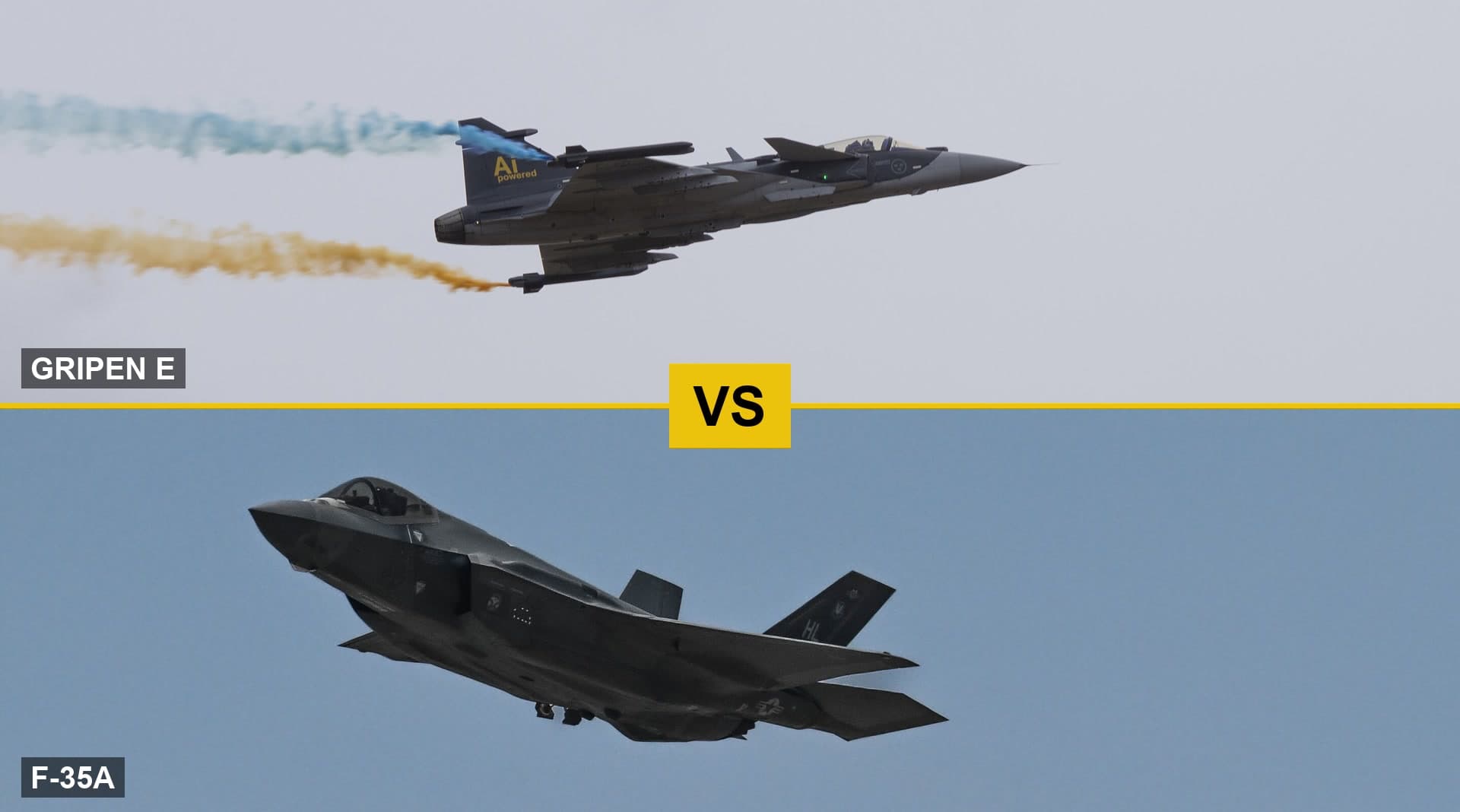
A Swedish Gripen flying NATO air defence over Poland had conditional clearance to shoot down a suspected Russian Kh-101 cruise missile on November 20, but could not identify it in very poor weather, Poland's operational commander said. The case shows how peacetime identification rules, not detection or weapons, can let a cruise missile cross allied territory.
By Michael Korten ·
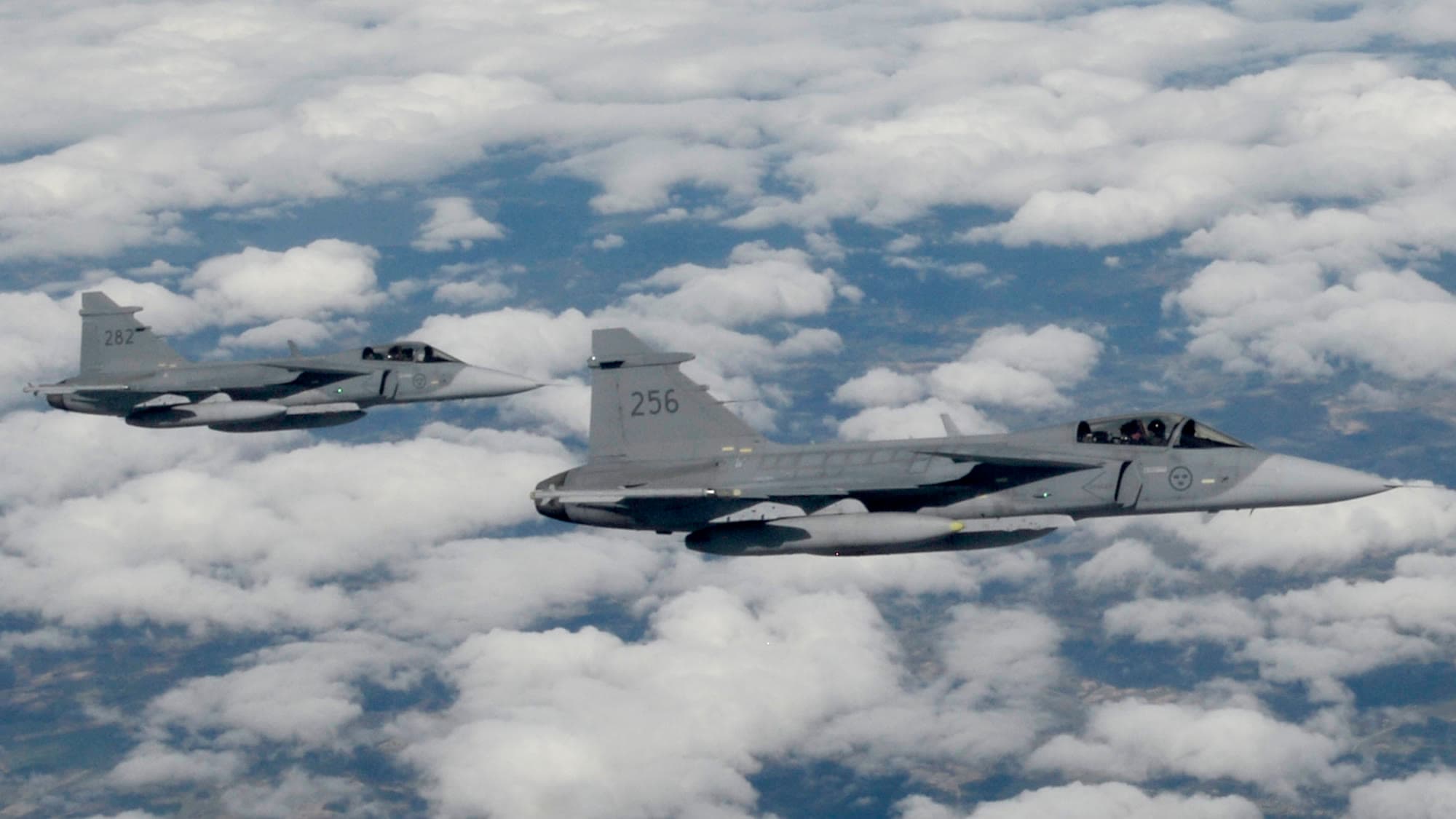
A Swedish Air Force Gripen had NATO permission to shoot down a suspected Russian Kh-101 cruise missile over Poland on November 20, but it never fired. The pilot could not identify the target in the weather, Poland's operational commander has said.
Lt. Gen. Ireneusz Nowak, operational commander of the Polish Armed Forces, told the daily Rzeczpospolita that the pilot tried to intercept an object believed to be a Kh-101. NATO's Combined Air Operations Centre in Uedem, Germany, had given a conditional authorisation: the jet could engage once identification requirements were met. In what Nowak called exceptionally difficult conditions, the pilot could confirm the target neither by eye nor with the aircraft's electro-optical sensors.
Sweden's Armed Forces did not comment on the missile or the clearance, but confirmed the conditions. "Swedish pilots tracked several targets in Polish airspace and showed great courage as they operated in very difficult weather and low visibility conditions," said Niclas Magnusson, deputy commander of the Swedish Air Force. The mission lasted several hours and needed aerial refuelling.
What happened over Poland
The incursion came during a large Russian attack on Ukraine. Russia launched drones, including jet-powered types, followed by Kalibr and Kh-101 cruise missiles. Polish officials say they knew the launch points and flight paths in advance, partly from data Ukraine shares through its Virazh air-picture system.
- Poland tracked 11 potentially threatening objects; three entered Polish airspace
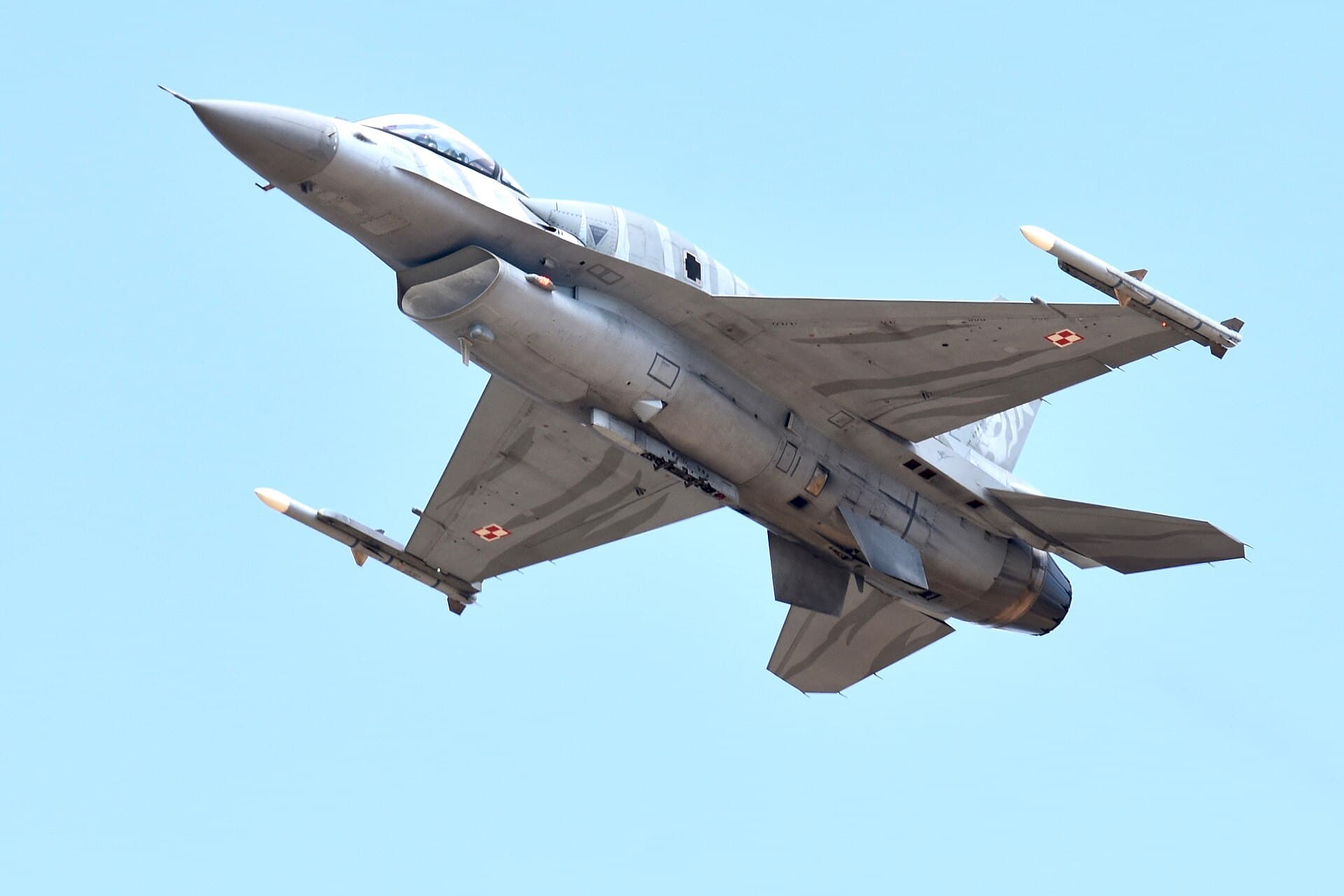
- Two Swedish Gripens and two Polish F-16s from Łask were scrambled, with more F-16s launched later from Krzesiny
- Support came from a Swedish Saab 340 airborne early warning aircraft, a Dutch MRTT tanker and ground-based air defences
- Defence Minister Władysław Kosiniak-Kamysz said two Russian missiles and a suspected jet-powered drone came down on Polish territory; nobody was injured
The Swedish Gripens fly in NATO's air defence mission over Poland under the command of the Uedem centre. They are based in Sweden for the two-month deployment but can operate from a forward air base in Poland.

Ukrainian State Emergency Service deminers dispose of the wreckage of a Russian Kh-101 cruise missile in Mykolaiv Oblast, February 2026. File photo.
Why a fighter on the tail is not enough
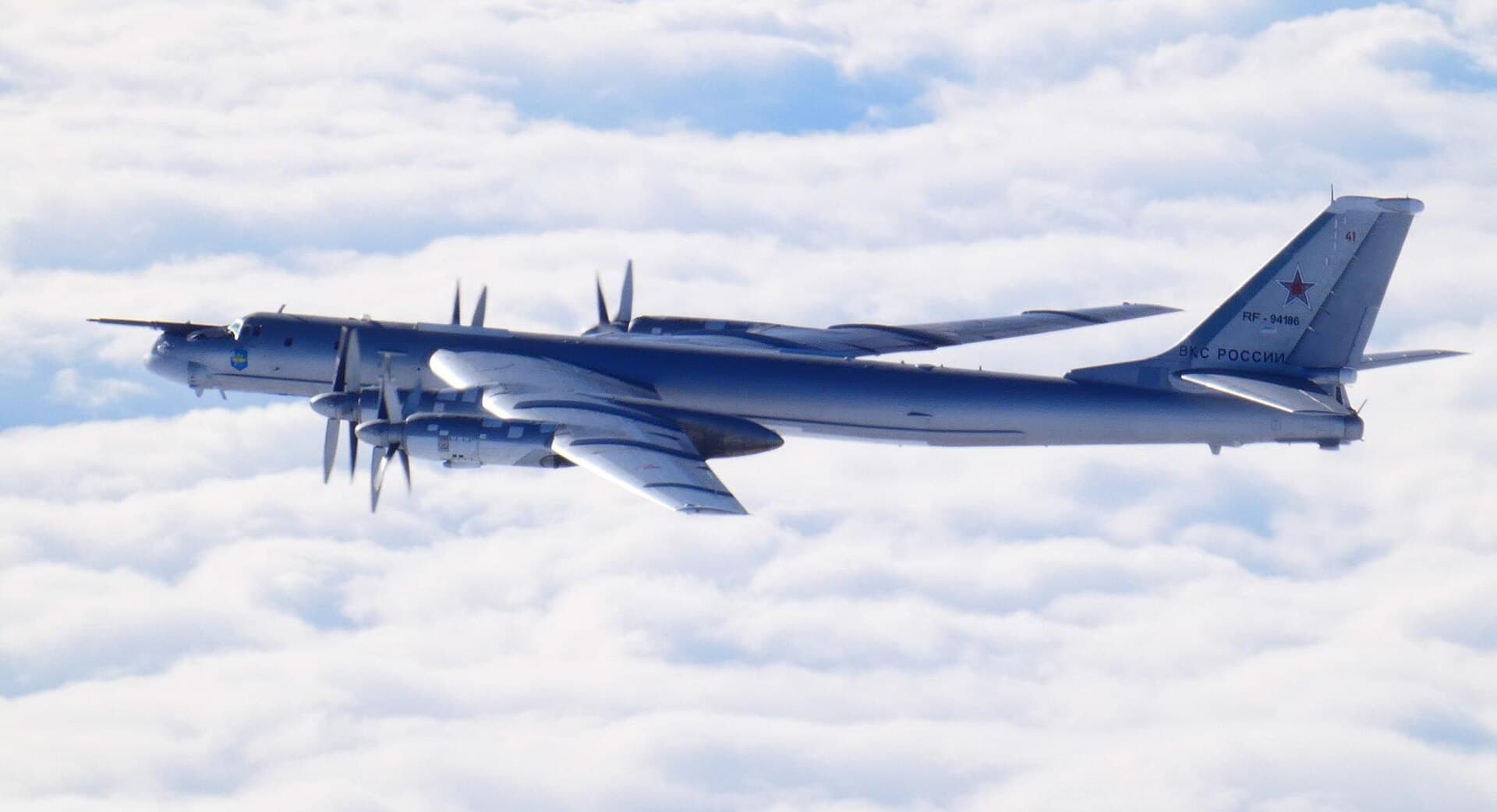
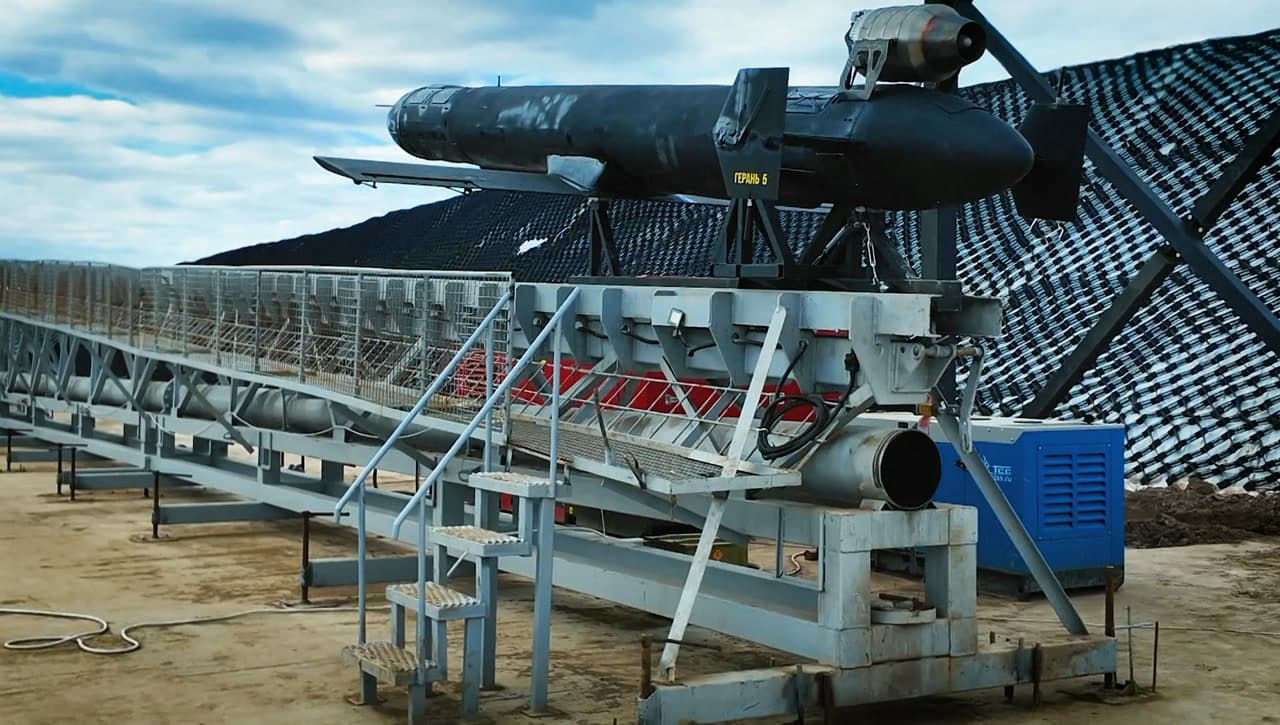
The Kh-101 is an air-launched cruise missile carried by Tu-95MS and Tu-160 bombers. It is generally credited with a range of more than 2,500 km and a warhead of around 400 kg. It flies a low, terrain-following route and is shaped to reduce its radar signature. Ground radars struggle to hold it, and a fighter's radar has to pick it out against ground clutter while looking down.
In this case, detection worked: the missile was tracked and a fighter was in position. The limit was the rule set. Over allied territory in peacetime, a pilot must be sure that a track is not a civilian aircraft, a friendly drone or something else before firing. Over Ukraine, crews routinely engage on radar and data-link cues. Over Poland, the same missile has to pass a far stricter identification test, and cloud took away the means to pass it. The Gripen's weapons were not the problem; positive identification was.
Why it matters
The episode exposes a gap in NATO's eastern air defence. A cruise missile can be detected, tracked and shadowed by an allied fighter, and still cross dozens of kilometres of NATO territory because the weather rules out a visual check. Prime Minister Donald Tusk has called the incursions a possible deliberate Russian provocation, and NATO Secretary General Mark Rutte said in Warsaw on November 21 that the alliance would defend every inch of Polish territory. The North Atlantic Council meets in Brussels on November 23.
Two questions will follow. The first is whether allied commanders should allow sensor-only identification when a track's launch point and route are already known from Ukrainian data. The second is how much more ground-based air defence the eastern flank needs, since a radar-guided interceptor on the ground does not depend on a pilot seeing the target through cloud.