UAV2 min read
Ukraine's SPYS Interceptor Drone Downs Russia's Jet-Powered Geran-5 K5-K, Maker Says
Quantum WIY Industries says its Ukrainian-made SPYS interceptor drone destroyed a Russian Geran-5 K5-K during combat testing, without help from other air defences. Ukraine classes the jet-powered K5-K as a compact cruise missile that cruises above 450 km/h.
By Michael Korten ·

A Ukrainian-made SPYS interceptor drone has shot down one of Russia's newest jet-powered attack drones, the Geran-5 K5-K, its maker says. Quantum WIY Industries, a German-Ukrainian joint venture of Quantum Systems and Ukraine's WIY Drones, announced the kill on November 23 and said it was made during combat testing in Ukraine without help from any other air defence weapon.
- SPYS intercepted a Geran-5 K5-K, which Ukraine's military intelligence classes as a compact cruise missile
- The K5-K cruises above 450 km/h and can reach about 1,000 km/h in some manoeuvres, Ukraine says
- The company did not say when or where the interception happened, or how fast the target was flying
- SPYS has been upgraded for fast jet targets; Ukrainian media report up to 500 km/h and 45 km range
"Russia keeps adapting its attack systems, so we work closely with Ukrainian brigades to adjust our systems accordingly," said Sven Kruck, co-CEO of Quantum Systems. "We started with STRILA against earlier Geran models, and SPYS and Skyron are our answers to the latest threats."
What the Geran-5 K5-K is
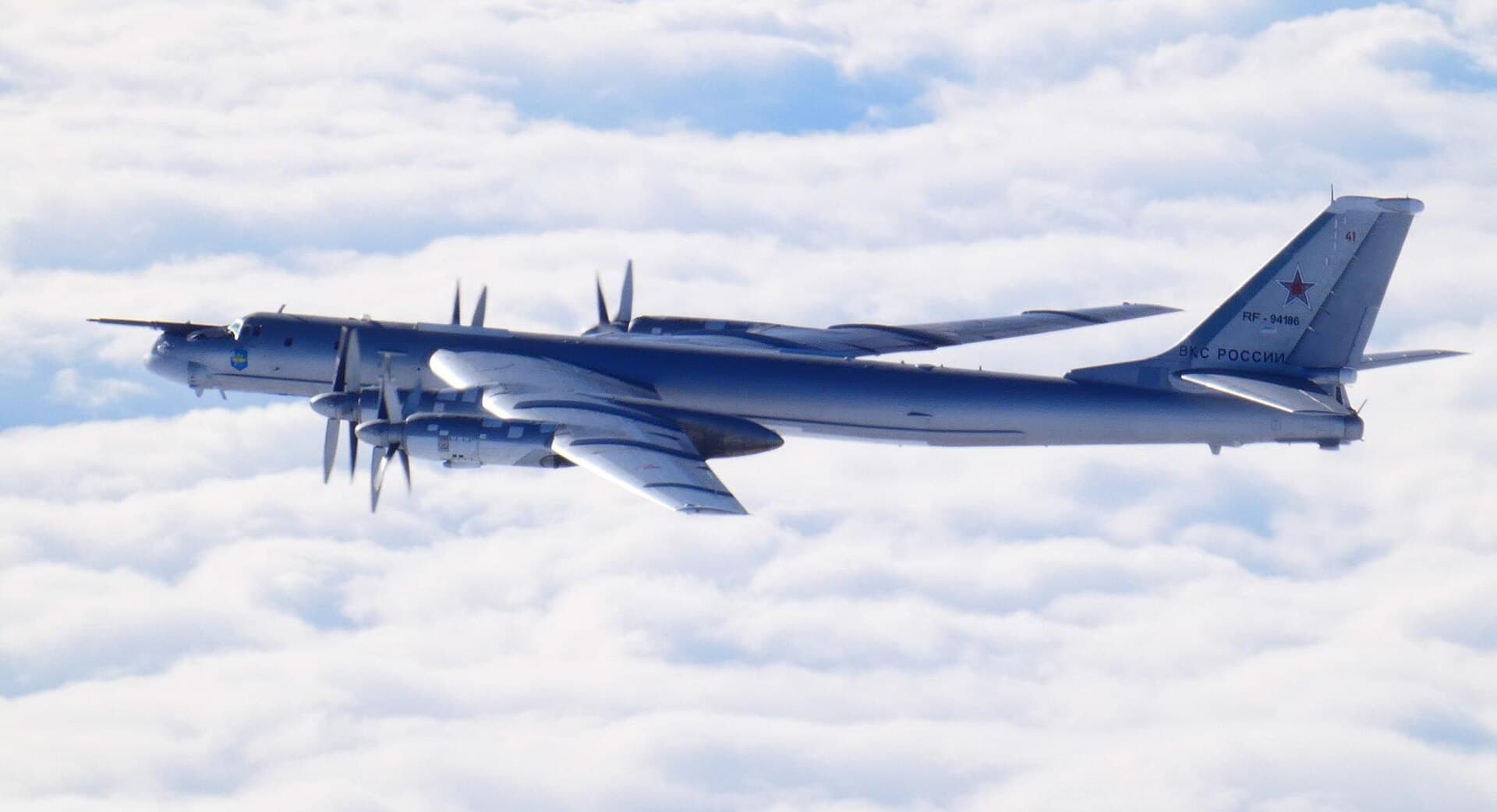
The Geran-5 is Russia's jet-powered evolution of the Iranian-designed Shahed. Russia has used the K5-K version against Ukrainian cities since early autumn 2026, according to Ukraine's Defence Intelligence (HUR). It is much smaller than the original Geran-5: about 4 metres long with a 3-metre wingspan, against 6.5 metres and 3.2 metres. HUR says it flies at up to about 6 km, has a claimed range of 1,000 km and carries a warhead of roughly 90 kg; the example it examined had a TBBCh-90 thermobaric warhead.
That speed is the problem. Propeller-driven Shaheds cruise at under 200 km/h, slow enough for mobile gun teams and early interceptor drones to chase down. A target flying two to five times faster leaves operators only seconds to detect, launch and steer an interceptor into it.

A Kyiv region police explosives expert disarms the warhead of a downed Russian jet-powered drone in the Boryspil district, November 2026. File photo.
The interceptor
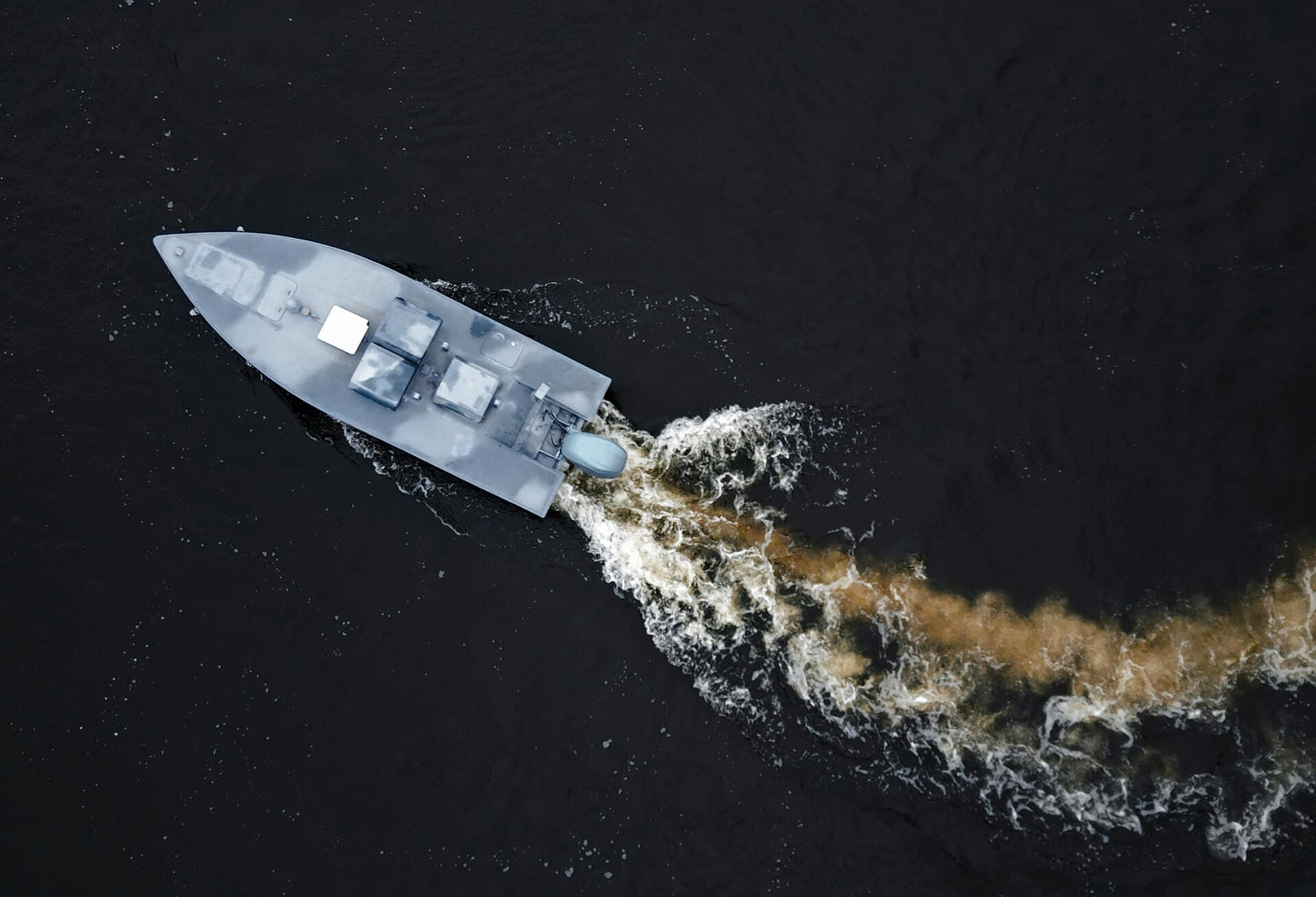
Quantum WIY Industries says the latest SPYS was reworked using combat experience against fast jet-powered targets. Figures the company gave Ukrainian outlet Militarnyi, reported by United24, put its top speed at up to 500 km/h, its range at 45 km and its warhead at 500 grams; other reports have cited different numbers, and the company has not published a full specification. QWI builds in Ukraine and says it raised production capacity from hundreds to thousands of units a month during 2026, without saying how much of that is SPYS.
Why it matters
Interceptor drones have become one of Ukraine's main answers to Russia's nightly drone raids because they cost a small fraction of a surface-to-air missile. Russia's move to jet-powered Gerans was meant to outrun that defence and force Ukraine back onto scarce missiles. A cheap drone that can catch a K5-K would keep the cost exchange in Ukraine's favour.
One kill, reported by the manufacturer, does not show how often SPYS succeeds against these targets. Independent confirmation and numbers from Ukraine's air force will matter more than a single announcement.