Land2 min read
US Patriot Battery in South Korea Is the First Operational Unit Certified on the Army's IBCS Network
Delta Battery, 6-52 Air Defense Artillery, is the first operational US Army Patriot battery certified on the Integrated Air and Missile Defense Battle Command System. During the evaluation in South Korea, its radar and launchers were separated from the fire control unit.
By Michael Korten ·
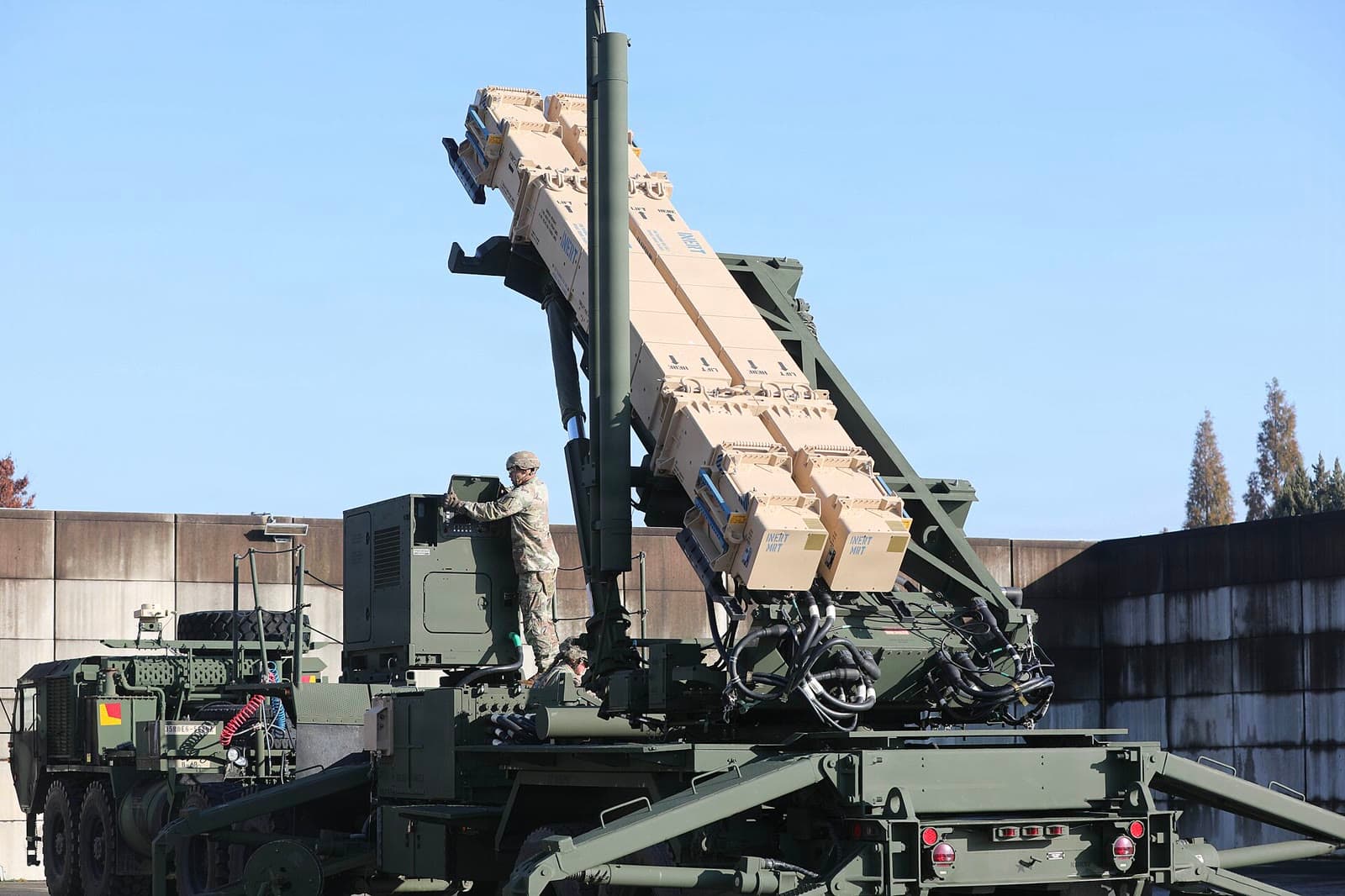
The US Army's new air defence network has reached a frontline Patriot unit. Delta Battery, 6th Battalion, 52nd Air Defense Artillery Regiment, is the first operational Patriot battery to certify on the Integrated Air and Missile Defense Battle Command System, or IBCS, Eighth Army said on November 18. The battery belongs to the 35th Air Defense Artillery Brigade in South Korea, and other batteries in the battalion are expected to follow within weeks.
Eighth Army said the certification advances the brigade's "Fight Tonight" readiness. The battery moved off its legacy stand-alone networks onto the IBCS Integrated Fire Control Network, built by Northrop Grumman.
Breaking up the battery
During the evaluation, crews physically separated the battery's sensors and launchers from its fire control unit. The Army says that lets a unit spread out its equipment and supports "best sensor, best shooter" engagements.

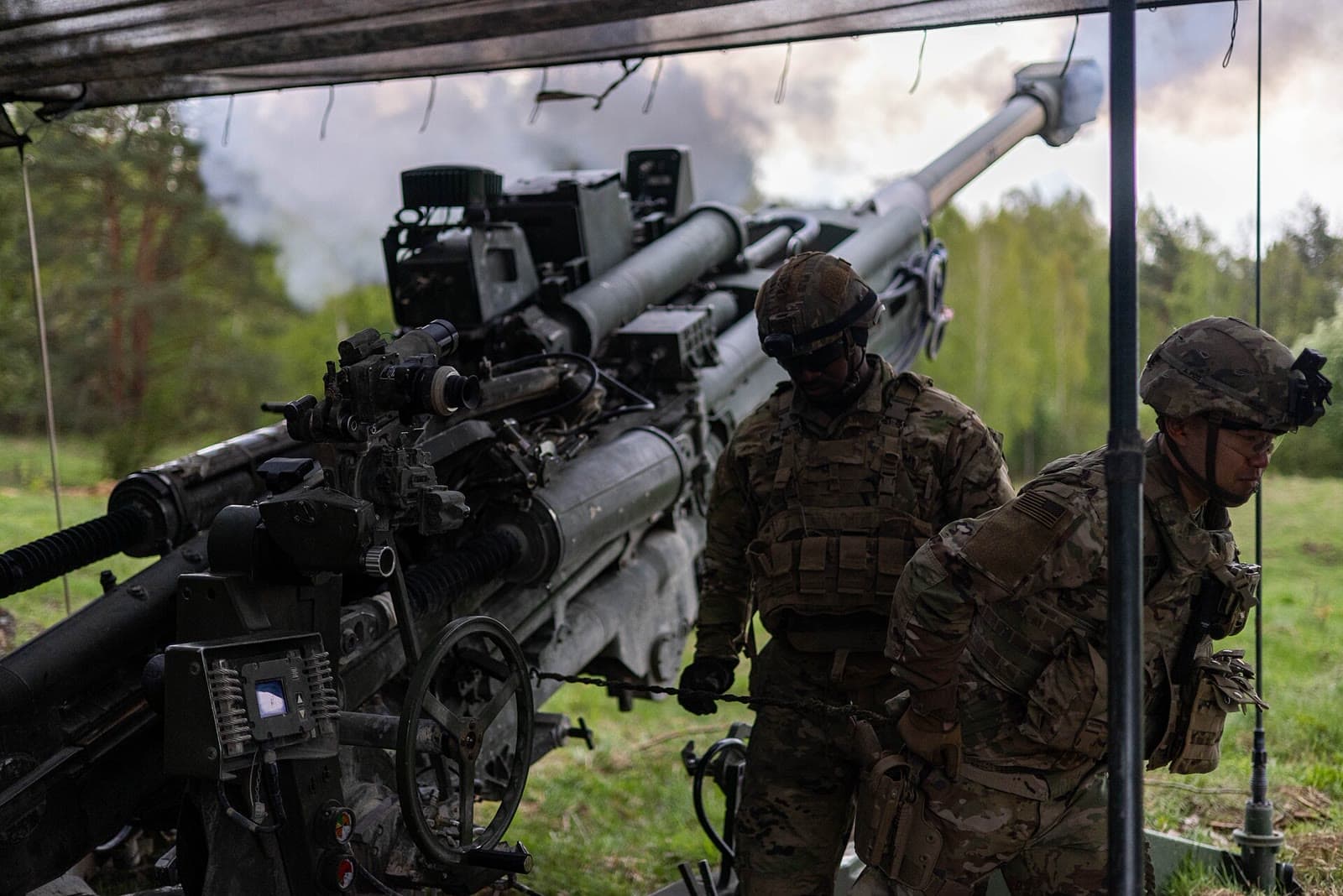
Soldiers of Delta Battery, 6-52 ADA, during the certification. Crews separated the battery's sensors and launchers from its fire control unit.
That is a big change. A traditional Patriot battery is a closed loop: its AN/MPQ-65 radar feeds the engagement control station, which directs the battery's own launchers, and the radar watches a fixed sector rather than the full circle around a defended site. On IBCS, any connected radar can produce a track, and the fire control crew can assign the engagement to any connected launcher on the network, even one far from the radar. The chances of a hit still depend on sensor coverage, track quality, the network staying up and the interceptor's own limits.
A long road
Northrop Grumman received a $1.4 billion production contract in December 2021. In a November 2022 test, IBCS guided a Patriot interceptor to a cruise missile target with no Patriot radar in the architecture at all. The Pentagon approved full-rate production in April 2023, and the first operational fielding went to 3rd Battalion, 43rd ADA at Fort Bliss, Texas, in December 2024.
Why it matters
Missile and drone wars in Ukraine and the Middle East have shown that air defence radars are prime targets, and that a battery which only trusts its own radar can be blinded with one strike. Spreading radars and launchers out, and letting any sensor cue any shooter, makes a defence harder to find and harder to knock out. That matters most in places like Korea, where North Korean missiles could arrive in minutes.