UAV2 min read
Poland Says Russian Drone Entered Its Airspace on Purpose, Days After Missile Incursion
A Russian drone briefly crossed into eastern Poland late on 23 November, triggering an air-attack alert in the Lublin region. Deputy Defence Minister Paweł Zalewski says it was likely intentional; forces were cleared to shoot it down but let it leave.
By Michael Korten ·
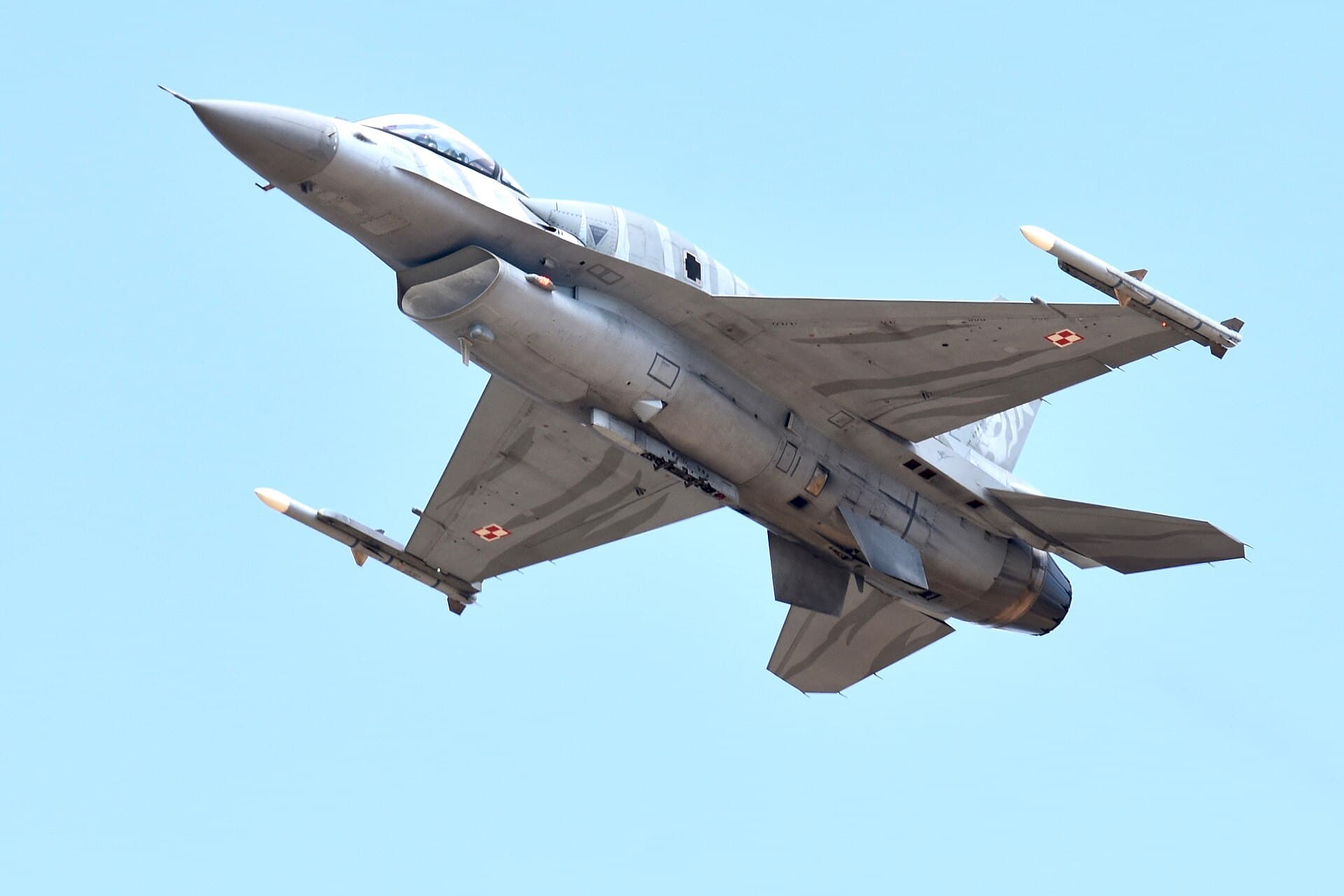
Poland's deputy defence minister says a Russian drone that crossed into Polish airspace late on 23 November was most likely sent on purpose. "We assume it was intentional," Paweł Zalewski told the radio station RMF24. "We don't know if it was armed or if it was a decoy."
The drone entered from Ukraine during a Russian attack on the west of the country and stayed over Poland only briefly before turning back east. Poland's Government Security Centre issued an air-attack alert for parts of the Lublin region at around 11 p.m. local time; it was lifted about an hour later. The incursion came four days after cruise missiles came down in eastern Poland on 20 November.
Tracked, cleared to fire, allowed to leave
Poland's Operational Command said air defences were activated as a precaution and that the armed forces tracked the object, "presumably a Russian drone", throughout. According to Zalewski, Polish forces were authorised to shoot it down. Once it turned east, commanders let it leave rather than risk falling debris causing casualties or damage on the ground. He told European Pravda that it was difficult to imagine the incident was accidental, and that if the drone had posed a threat, "it would certainly have been shot down".
What the drone was remains unclear. Sources quoted by the PAP news agency said it carried observation equipment and was probably on a reconnaissance flight. Zalewski said Poland treats drones of this type as attack drones, because they carry cameras for navigation by terrain matching and are able to strike.

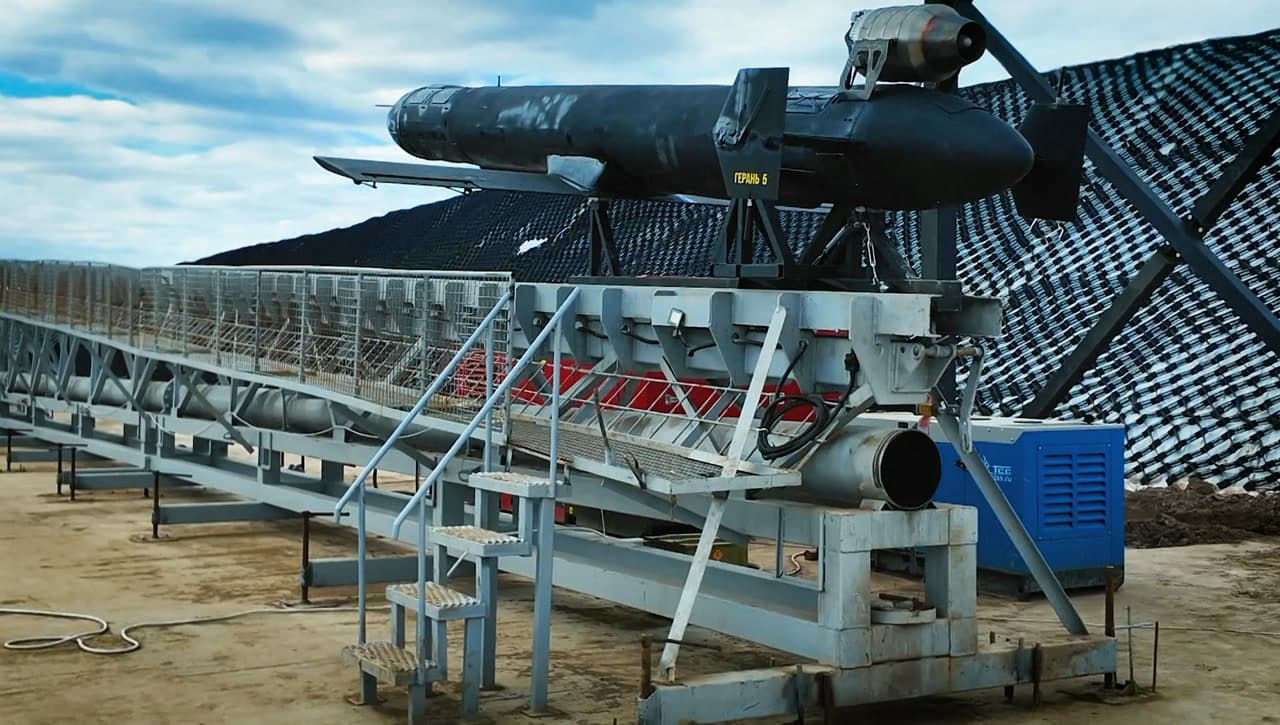
A Russian Gerbera drone downed in Ukraine. Russia uses these cheap airframes as decoys and for reconnaissance alongside armed Shahed-type drones. File photo.
A pattern on NATO's eastern edge
The incursion is the latest in a run of violations along Poland's border with Ukraine. On the night of 9-10 September 2025, around 20 Russian drones crossed into Poland and allied fighters shot several down, the first time NATO aircraft engaged Russian targets over alliance territory. Warsaw invoked Article 4 consultations and NATO launched its Eastern Sentry air-defence mission in response.
The 20 November incident raised the stakes again. Debris from unidentified objects was found at three sites in the Lublin and Podkarpackie regions, and NATO Secretary General Mark Rutte condemned Russia after speaking with Prime Minister Donald Tusk. According to European Pravda, NATO is providing Poland with an early-warning aircraft, and the alliance's top commander in Europe is considering sending additional forces to the region. Russia has not commented on the latest flight.
Why it matters
Single drones that cross briefly and turn back are a hard problem for air defenders. Shooting down a slow drone over farmland or villages risks the very damage it is meant to prevent, while a fighter missile or a ground-based interceptor costs far more than the target. Letting it go, however, can be read as tolerance. If Warsaw is right that the flights are deliberate, they let Moscow probe Polish radar coverage and reaction times, and test how far NATO will go, at very little cost.