Land2 min read
Northrop Grumman Wins $1.6 Billion Order for PAC-3 MSE Rocket Motors as Patriot Output Climbs
Northrop Grumman has won a $1.6 billion multiyear order for solid rocket motors and ignition safety devices for Lockheed Martin's PAC-3 MSE interceptor. The award supports a plan to raise output of the Patriot missile from about 600 to roughly 2,000 a year.
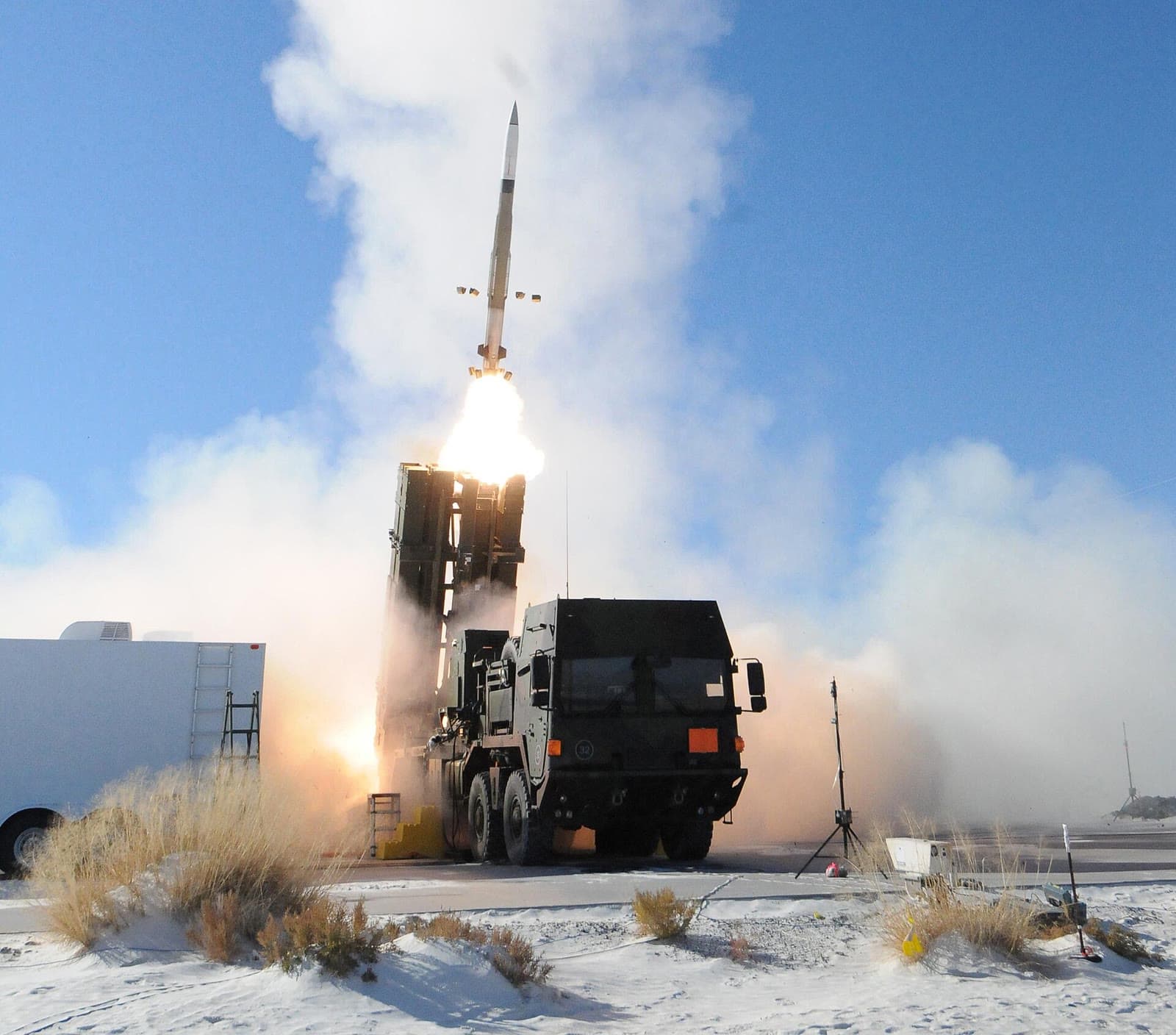
The interceptor that has carried much of the air defense burden in Ukraine and the Middle East is getting a second engine supplier at scale. Northrop Grumman has won a $1.6 billion multiyear order to build solid rocket motors and ignition safety devices for the PAC-3 MSE, the company said on November 16.
Northrop supplies the motors to Lockheed Martin, which builds the missile for the US Army. They are made at the Allegany Ballistics Laboratory in Rocket Center, West Virginia.
"This award translates that commitment into greater scale, so we can deliver more PAC-3 MSE interceptors to U.S. and allied forces faster," said Ben Davies, president of Northrop Grumman Defense Systems.
Why the motor matters
The PAC-3 MSE, or Missile Segment Enhancement, is a hit-to-kill interceptor: it destroys its target by colliding with it. Its dual-pulse motor fires in two stages, so the missile can save energy for the end of the engagement, when it has to turn hard to meet a maneuvering ballistic missile. That second pulse is a large part of why the MSE has more range and agility than earlier PAC-3 rounds.
Rocket motors have also been one of the tightest bottlenecks in American missile production. For years a small number of suppliers built most solid motors, and any problem at one plant rippled through several programs. Northrop says it has doubled solid rocket motor capacity at its Utah plants since 2021, nearly tripled it in West Virginia and added 25% at Elkton, Maryland. It has committed more than $2 billion to munitions technology and facilities since 2019, over half of that for solid rocket motors.

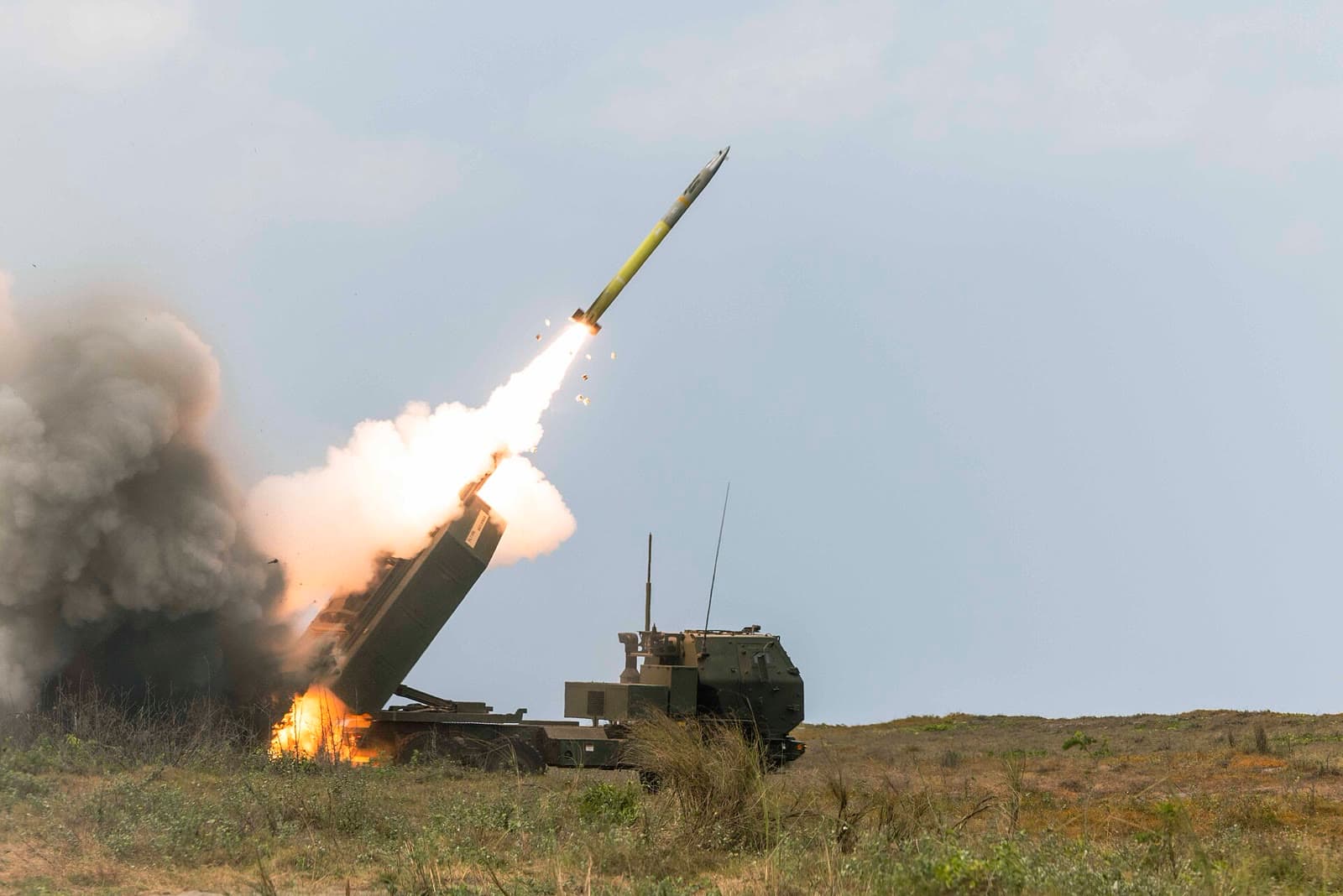
A Patriot M903 launcher of the 5th Battalion, 52nd Air Defense Artillery Regiment during Exercise Arctic Edge 2022 at Eielson Air Force Base, Alaska. File photo.
From 600 to 2,000 a year
The order is the first large piece of the $3 billion in framework agreements Northrop signed with the Department of War and Lockheed Martin in August: $2 billion for PAC-3 MSE components and $1 billion for THAAD interceptor parts. Those agreements made Northrop a second source for PAC-3 motors.
The target behind all of this is ambitious. In January, Lockheed and the Pentagon agreed to raise PAC-3 MSE output from about 600 missiles a year to roughly 2,000 over seven years. Lockheed has brought in outside help, including GM Defense, which delivered its first missile-housing parts in September.
The demand side
Demand has surged since 2022 as Patriot batteries in Ukraine and the Middle East fired interceptors at Russian and Iranian missiles. Earlier this month, the State Department approved the sale of 500 PAC-3 missiles to Ukraine, and European buyers have been lining up orders of their own.
A tripling of output only works if every part of the chain keeps up, from seekers to motors to canisters. A second, well-funded motor source does not guarantee 2,000 missiles a year, but without it the goal would be close to impossible.