Land2 min read
Pentagon Has No "Overarching Plan" Linking Munitions Production to Military Needs, GAO Warns
The Government Accountability Office says the Pentagon is ramping up missile and shell production without a plan that ties output and funding to its total munitions requirements. Even the 155 mm shell surge was not driven by that requirement, GAO found.
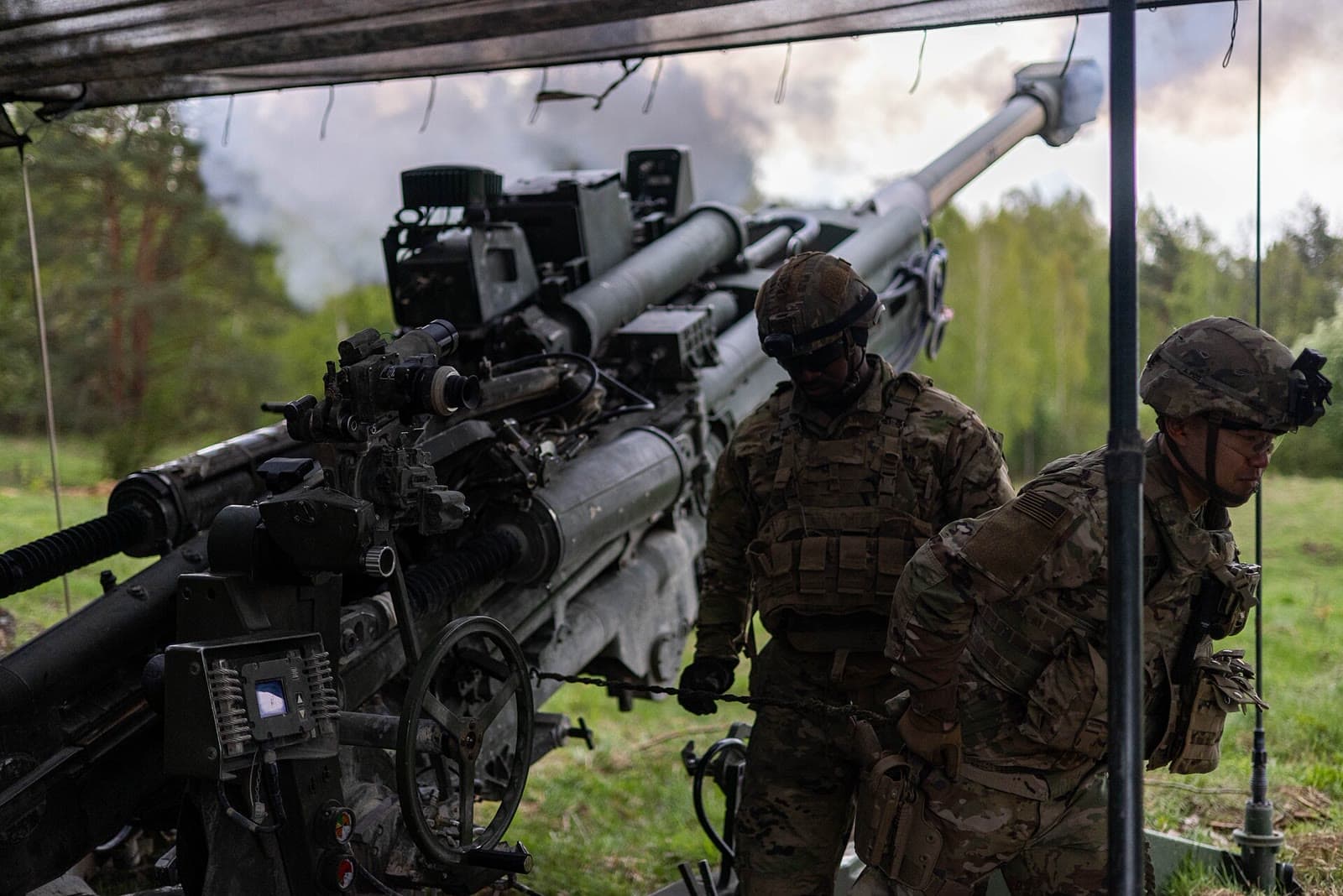
The Pentagon is spending heavily to refill its depleted stockpiles, but it does not have a plan that tells it how much it needs. "DoD does not have an overarching plan that links munitions production and funding to requirements," the Government Accountability Office said in a new report.
Pentagon officials told investigators that "in lieu of a plan, DoD and the services can be reactive to global events rather than driven by total requirements." The report is the public version of a classified study completed in September 2026, so it leaves out inventory trends, persistent shortfalls and how they affect war plans.
The shell surge
The clearest example is the 155 mm artillery shell. The Army has spent years trying to boost production after shortages made worse by support to Ukraine and other partners, an effort already marked by setbacks such as a nearly $500 million plant in Texas that has not produced shell components. According to GAO, the "Army's ramp-up in production of 155-millimeter artillery shells to address shortages exacerbated by U.S. support to allies and partners was not driven by a need to address DoD's total munitions requirement."

155 mm shell bodies on the line at Scranton Army Ammunition Plant in Pennsylvania, one of the plants in the Army's production surge. File photo.
Nobody in charge
The Pentagon also lacks a reliable picture of what it already owns. Each service tracks its own stocks, and the department's Munitions Readiness Initiative pulls data from 37 sources, partly by hand. GAO found the acquisition office "does not consistently reconcile" that data with the services' systems and has no plan for how the data is combined.
Authority is split between several Pentagon offices and the services' program executive offices, and the working groups meant to coordinate them lack power. GAO's bottom line is that no single office has the authority to improve munitions inventories across the department or is held accountable for doing so. It recommended a plan that links requirements, production and funding, with metrics to track progress.
Why it matters
Ukraine and the wars in the Middle East have shown that modern conflicts burn through interceptors, missiles and shells far faster than peacetime planning assumed. Congress has poured money into new production lines, but without a requirement to aim at, the Pentagon risks two opposite failures: building too little of what it would need in a war with China, and, as GAO warns, investing in munitions that will exceed what is actually required.