Air2 min read
South Korea: Russian Aircraft Near Ulleung Island Trigger a Botched Air-Raid Alert
Several Russian military aircraft entered South Korea's air defence identification zone and approached Ulleung Island on 24 November, prompting a five-minute shelter alert. Follow-up messages wrongly blamed North Korea, and Seoul summoned Russia's military attaché.
By Michael Korten ·
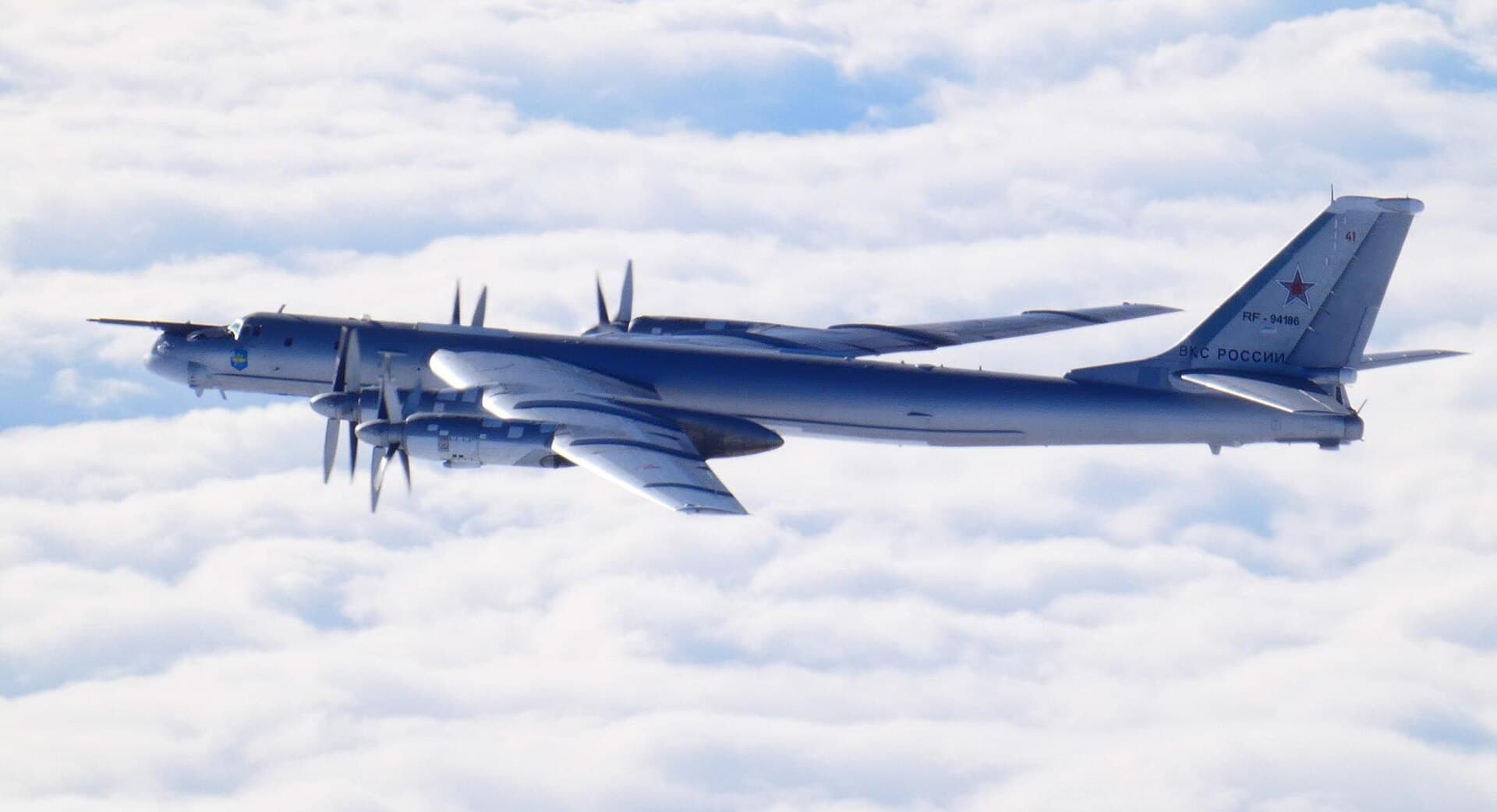
Residents of South Korea's Ulleung Island were told to take shelter on Tuesday morning as Russian military aircraft flew towards the island, the third Russian entry into Seoul's air defence identification zone (KADIZ) in a week. The alert lasted about five minutes, but a string of errors in the warnings that followed has turned a routine intercept into a political problem for the government.
At 7:52 a.m. local time the Ministry of the Interior and Safety sent a mobile alert to Ulleung County, about 120 km off the peninsula's east coast. The Korean text read: "Airspace violation by Russian aircraft. Alert issued for Ulleung County. Take shelter underground or inside a building." The English headline said "EVACUATION, AIR RAID", a stronger warning than the precautionary alert actually issued. It was lifted at 7:57.
What the military says happened
The Joint Chiefs of Staff said several Russian military aircraft entered the KADIZ, approached Ulleung and then left, and stressed that no sovereign South Korean airspace was violated. The Air Force deployed F-15K fighters, and the Russian aircraft withdrew eastward, according to the Korea Times. JCS spokesman Capt. Jang Do-young said the aircraft came "just short" of the island's airspace and that, because military jets are so fast, a violation had been expected; the Air Force Operations Command ordered the precautionary alert based on the aircraft's proximity to Ulleung.
The defence ministry declined to say how many aircraft were involved or of what type.

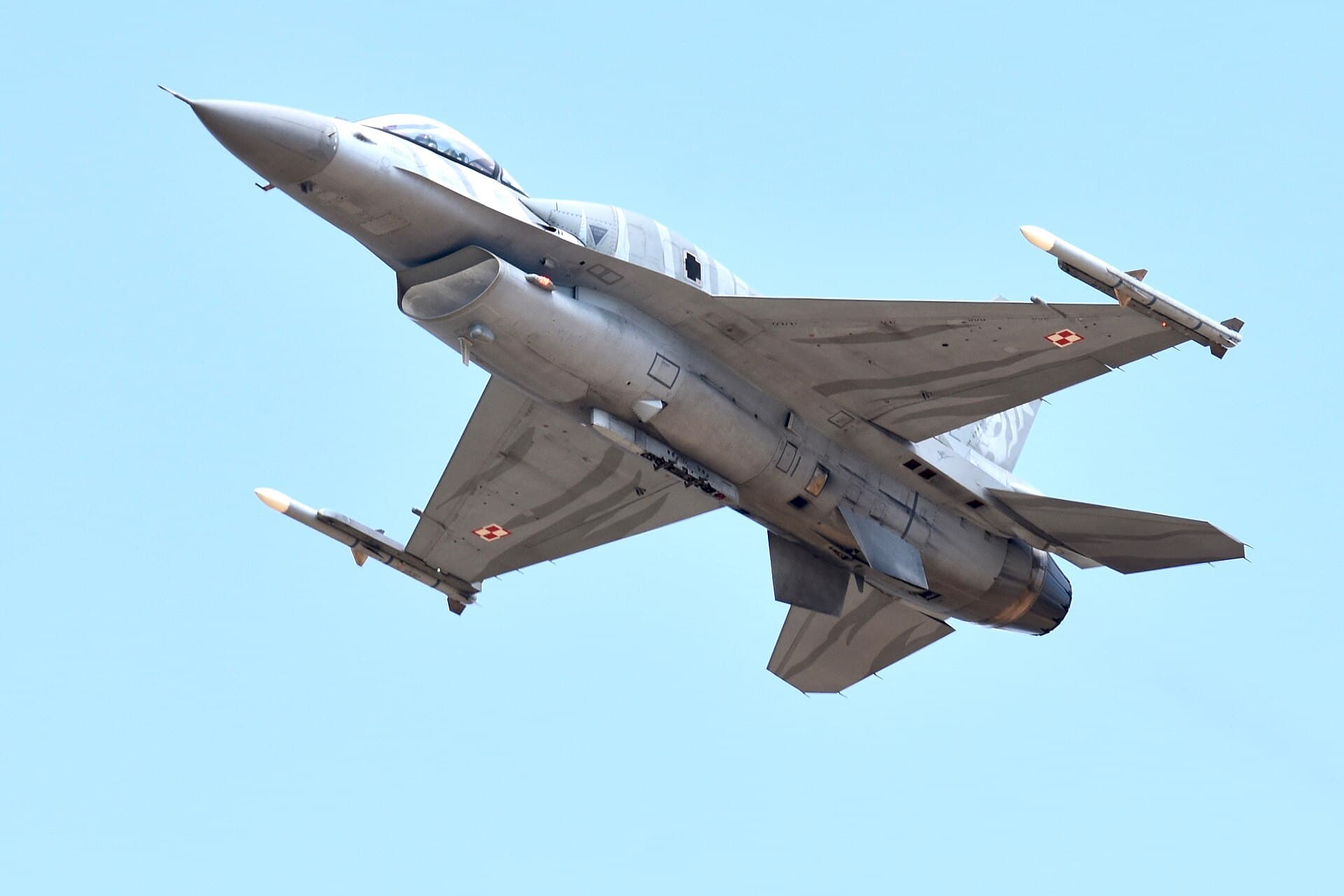
A Republic of Korea Air Force F-15K Slam Eagle takes off from Kunsan Air Base. File photo.
A North Korea template and a correction
Confusion grew after the all-clear. At 8:00 a.m. a further message said an "unidentified aerial object presumed to be a North Korean aircraft" had left the danger zone at 7:58. North Gyeongsang Province told the Korea Times it had reused a template from a North Korea drill and changed only the time stamp. A correction followed at 8:39, but it still described the incident as an airspace violation. The JCS said it had never referred to North Korea in its messages to other agencies.
The defence ministry summoned Col. Nikolai Marchenko, the Russian embassy's military and air attaché, on Tuesday afternoon to lodge a protest; asked whether Moscow meant to violate South Korean airspace, he said "no comment". The foreign ministry expressed regret through diplomatic channels and urged Russia to prevent a recurrence.
Why it matters
Russian aircraft entered the KADIZ on 17 and 19 November as well as on Tuesday, after earlier entries this year on 27 June, during a joint air patrol with China, and on 26 August. On 17 November Japan also scrambled fighters after two suspected Russian aircraft briefly violated Japanese airspace northwest of Okinoshima, according to Japanese Defence Minister Shinjiro Koizumi.
An ADIZ is not sovereign airspace, and Russia does not recognise the KADIZ, so most of these flights are legal under international law. Ulleung lies close to the Dokdo islets, where in July 2019 South Korean jets fired hundreds of warning rounds at a Russian A-50 early-warning aircraft that twice entered territorial airspace. The bigger lesson from Tuesday may be domestic: a civil-defence system that labels a precautionary alert an air raid, and blames the wrong country, risks losing public trust the next time a real warning goes out.