UAV3 min read
Saudi Arabia Downs Four Houthi Drones Over Ras Tanura as Yemen's War Turns Into a Port War
Saudi Arabia's coalition says its air defences destroyed four Houthi drones over Ras Tanura, home to the kingdom's largest refinery, a day after a strike wounded 11 people in Riyadh's financial district. The Houthis claim the refinery was hit and set on fire; Saudi Arabia and Aramco have not confirmed any damage.
By Michael Korten ·
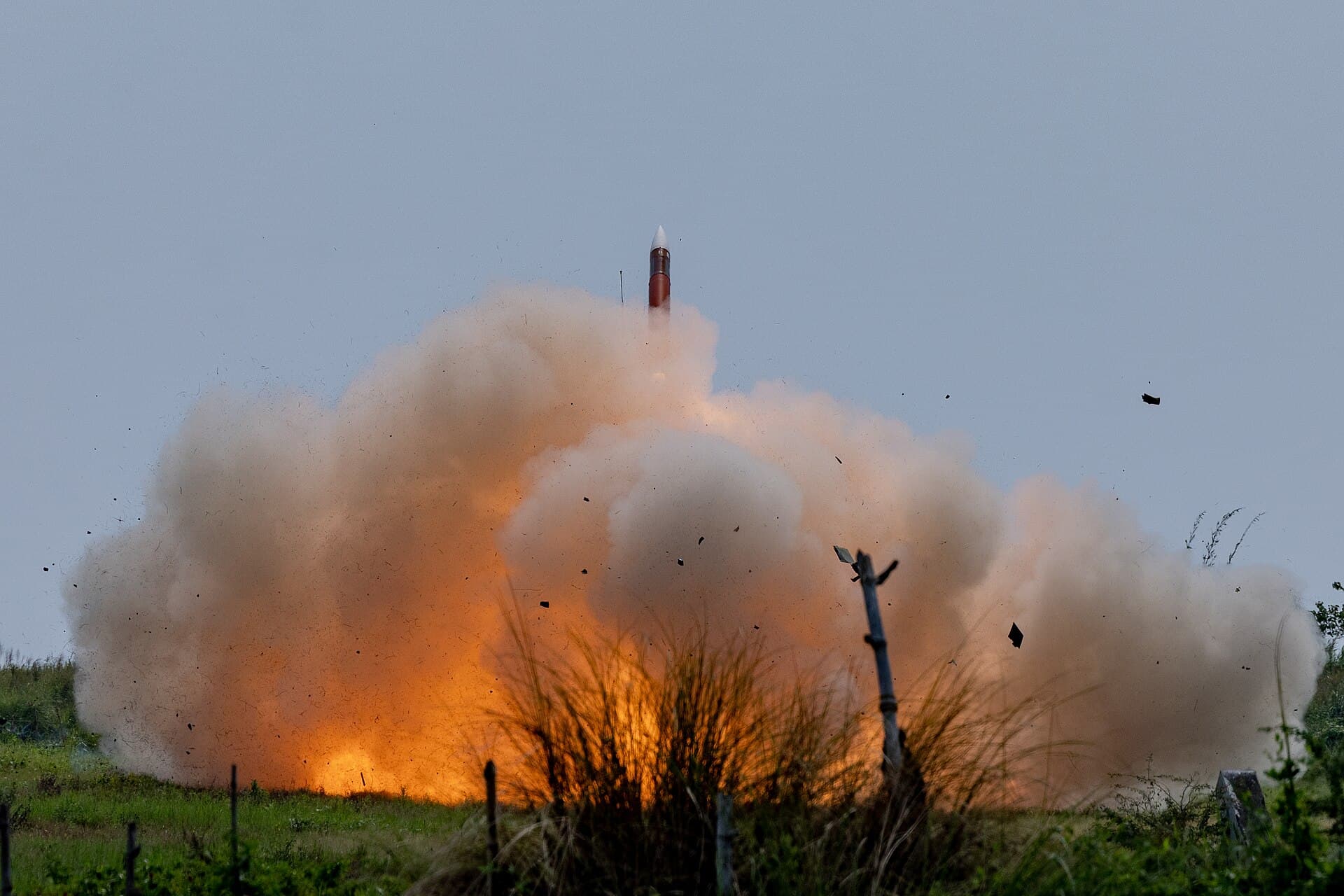
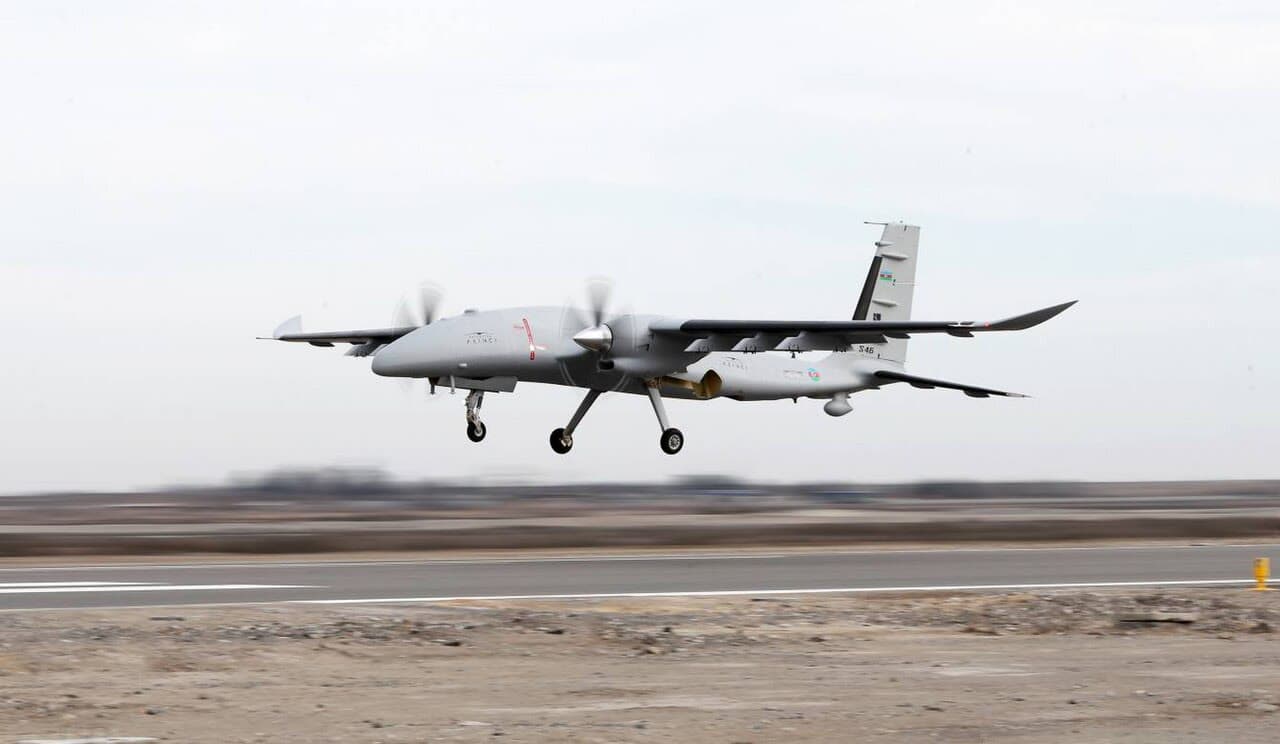
The Saudi-led coalition said on Wednesday 25 November that its air defences intercepted and destroyed four drones over Ras Tanura, the Eastern Province port that hosts Saudi Aramco's largest refinery and one of the world's biggest crude export terminals. Debris fell at several locations, coalition spokesman Maj. Gen. Turki al-Maliki said, and an initial assessment found no casualties.
The Houthis tell a different story. Their military spokesman Yahya Saree said the group hit the 550,000-barrel-per-day refinery with "accurate and direct" strikes that started fires, and attacked Riyadh's King Abdullah Financial District "in three phases". The coalition statement does not say the refinery was struck. Reuters reported that NASA satellite imagery showed thick black smoke around the refinery, but neither Aramco nor the Saudi government communications office commented. Until one of them does, damage at Ras Tanura remains a Houthi claim.
A tower in Riyadh, then the oil coast
The drones over Ras Tanura came a day after a strike on the King Abdullah Financial District tower that houses the headquarters of the Public Investment Fund, the kingdom's sovereign wealth fund. Saudi Civil Defence said 11 people were wounded on Tuesday. It was the second hit on the same tower in under a week; a strike on 19 November caused damage but no injuries. The Saudi Defence Ministry separately reported drones intercepted over the Eastern Province and one more over Riyadh shortly before sunrise on Wednesday, so the official tallies for the night do not yet line up.
Al-Maliki warned that deliberate attacks on civilians would be "met with a firm response". The coalition had already acted: after posting an evacuation warning with a map shortly before 02:00 UAE time, it struck what it called the Houthis' operational capabilities at Hodeidah port, along with targets in Saada and Amran governorates. It was the coalition's second strike on Hodeidah in five days. Damage and casualties were not immediately clear, and Houthi-aligned media said the bombs fell on the airport and areas outside the city rather than the port.

Storage tanks and refinery units at Ras Tanura on Saudi Arabia's Gulf coast, in an early Aramco aerial photograph. File photo.
A "port war"
The exchange follows a pattern both sides announced in advance. The Houthis had warned that any attack on Yemen's ports would be answered with attacks on Saudi ports, and after the Hodeidah strikes Saree threatened Jeddah and the other Saudi Red Sea ports, telling port workers to leave and shipping companies to move their vessels. Yemeni analyst Mohammad Al Basha told The National the conflict had become a "port war", with "both sides doubling down".
The stakes are uneven. Hodeidah handles about 80% of Yemen's humanitarian aid and roughly 70% of its commercial imports. Ras Tanura sits on the Gulf coast west of the Strait of Hormuz, which makes it more important than usual while traffic through the strait is restricted by the US-Iran confrontation. It also lies roughly 1,250 to 1,400 km from Houthi-held territory, at the far end of the group's long-range one-way attack drones; the Houthis last claimed an attack on Ras Tanura in March 2021.
What has changed since July
Yemen's war, largely frozen since the UN-brokered truce of April 2022, reignited in July 2026 in what Reuters describes as a spillover from the US-Iran war. Since then the Houthis have fired at Saudi airports, oil facilities and office buildings, briefly disrupting some Aramco operations and forcing the cancellation of most international flights to Riyadh at the peak. On the ground, the Yemeni government says Houthi forces reached about 60 km from Aden before being stopped, and the UN says more than 364,000 people have been displaced since August. Britain announced new sanctions on the Houthis on Tuesday and is providing Saudi Arabia with air defence, aerial refuelling and Typhoon support, according to the Jerusalem Post.
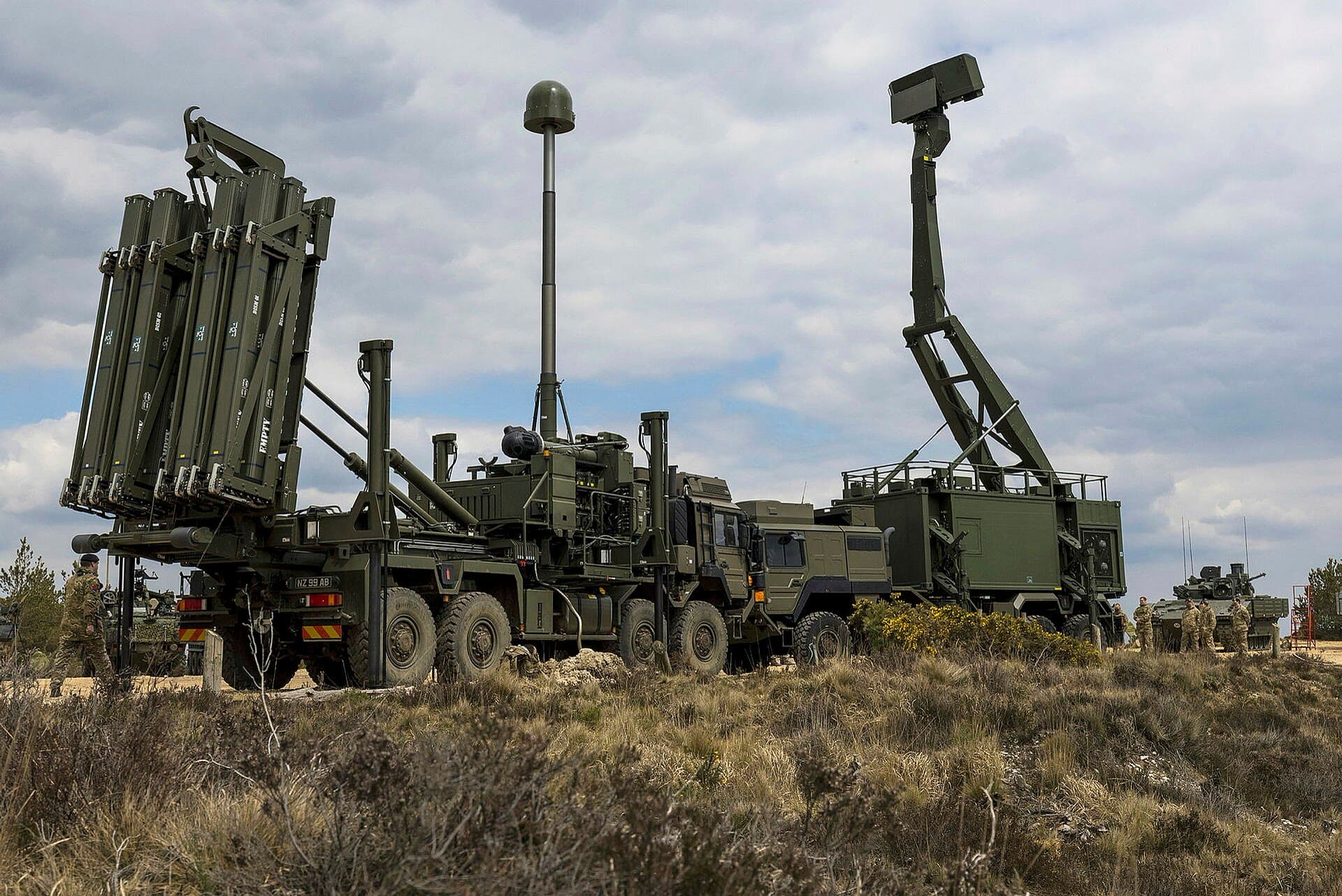
For Saudi air defence the problem is geography and endurance more than any single raid. The defended area runs from Riyadh to the Eastern Province oil coast and the Red Sea ports, and it is being probed by one or a few drones at a time, night after night. Interceptor stocks, early-warning coverage over the southern approaches and the credibility of the threat to Jeddah will decide whether the Houthis can turn harassment into real economic pressure. The next indicator to watch is Aramco: a statement on Ras Tanura operations, or a change in tanker loadings at the terminal, would show whether Wednesday's smoke came from falling debris or from damage.