UAV2 min read
Türkiye: AKINCI Drone Releases ORKA Lightweight Torpedo for the First Time Over the Gulf of Saros
Baykar's Bayraktar AKINCI has released Roketsan's ORKA lightweight torpedo over the Gulf of Saros, the first time the weapon has been dropped from an unmanned aircraft. The test proves carriage and separation, not a full anti-submarine kill chain, but it moves Türkiye's drones a step further into submarine hunting.
By Michael Korten ·
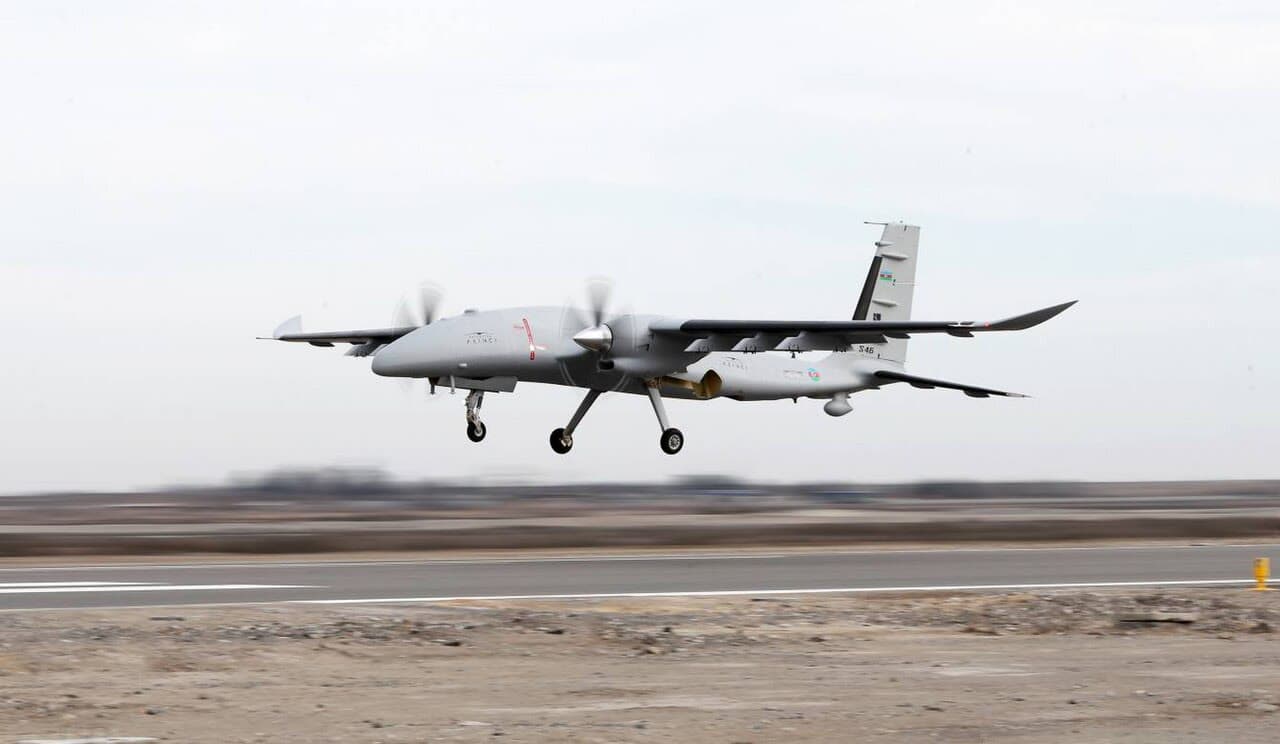
Türkiye's Bayraktar AKINCI unmanned combat aircraft has released an ORKA lightweight torpedo for the first time, in a test over the Gulf of Saros in the northern Aegean. Baykar announced the trial on 22 November under the title 'ORKA Next-Gen Lightweight Torpedo Firing Test'.
According to Anadolu Agency, the AKINCI took off from Baykar's Çorlu Flight Training and Test Center in Tekirdağ carrying the torpedo under its wing. Over Saros, ORKA separated safely from the underwing station and entered the water at the planned point, and the aircraft then returned to Çorlu. It was described as the first release of ORKA from an unmanned platform. Roketsan general manager Murat İkinci called the test an important success for the company.
What ORKA is
ORKA is Roketsan's next-generation lightweight torpedo, a 324 mm-class weapon designed to attack submarines. It can be launched from surface ships and aircraft and uses an active and passive sonar seeker with onboard guidance to home on its target. It sits alongside Roketsan's heavyweight AKYA torpedo, which is fired from submarines and ships, as part of a push to replace the imported lightweight torpedoes that have long armed Turkish ASW ships and helicopters.
The AKINCI is a natural carrier. Baykar's largest operational drone can lift about 1,350 kg of payload, much of it on underwing stations, and it can stay airborne for more than a day, long enough to loiter over a search area far from shore.

A Bayraktar TB3 fitted with Baykar's SAS sonobuoy pod on the deck of TCG Anadolu. Turkish drones have been dropping sonobuoys in exercises this year. File photo.
A release test, not a kill
The milestone should be read carefully. Public information confirms separation and water entry. It does not show ORKA searching for, tracking or striking an underwater target, as Naval News pointed out. A drone that can carry and drop a torpedo still needs the rest of the anti-submarine chain: detecting a contact, classifying it, fixing its position precisely enough and passing that data to the weapon platform.
That is where Türkiye's other recent tests come in. The TB3 and AKSUNGUR have both practised sonobuoy deployment and acoustic processing, including during the Mavi Balina-2026 exercise this month. Put together, sonobuoy-dropping drones and a torpedo-armed AKINCI point to a future in which unmanned aircraft take over parts of the job now done by crewed maritime patrol aircraft and helicopters.
Why it matters
Few countries have armed a drone with an anti-submarine torpedo, and Türkiye is developing the aircraft, the sonobuoy kit and the weapon at home. The next tests to watch are a guided ORKA shot against an underwater target from the AKINCI, and a full exercise in which a drone finds a submarine with its own sonobuoys and then attacks it.