Navy3 min read
Poland and UK Launch Joint CAMM-MR Missile as Third Miecznik Frigate's Keel Is Laid
Poland laid the keel of ORP Huragan, its third and final Miecznik frigate, in Gdynia on 24 November, as Warsaw and London signed a government arrangement to co-develop the CAMM-MR air defence missile. The missile, expected to reach beyond 100 km, is meant for the frigates' Mk 41 launchers and Poland's Narew batteries.
By Michael Korten ·
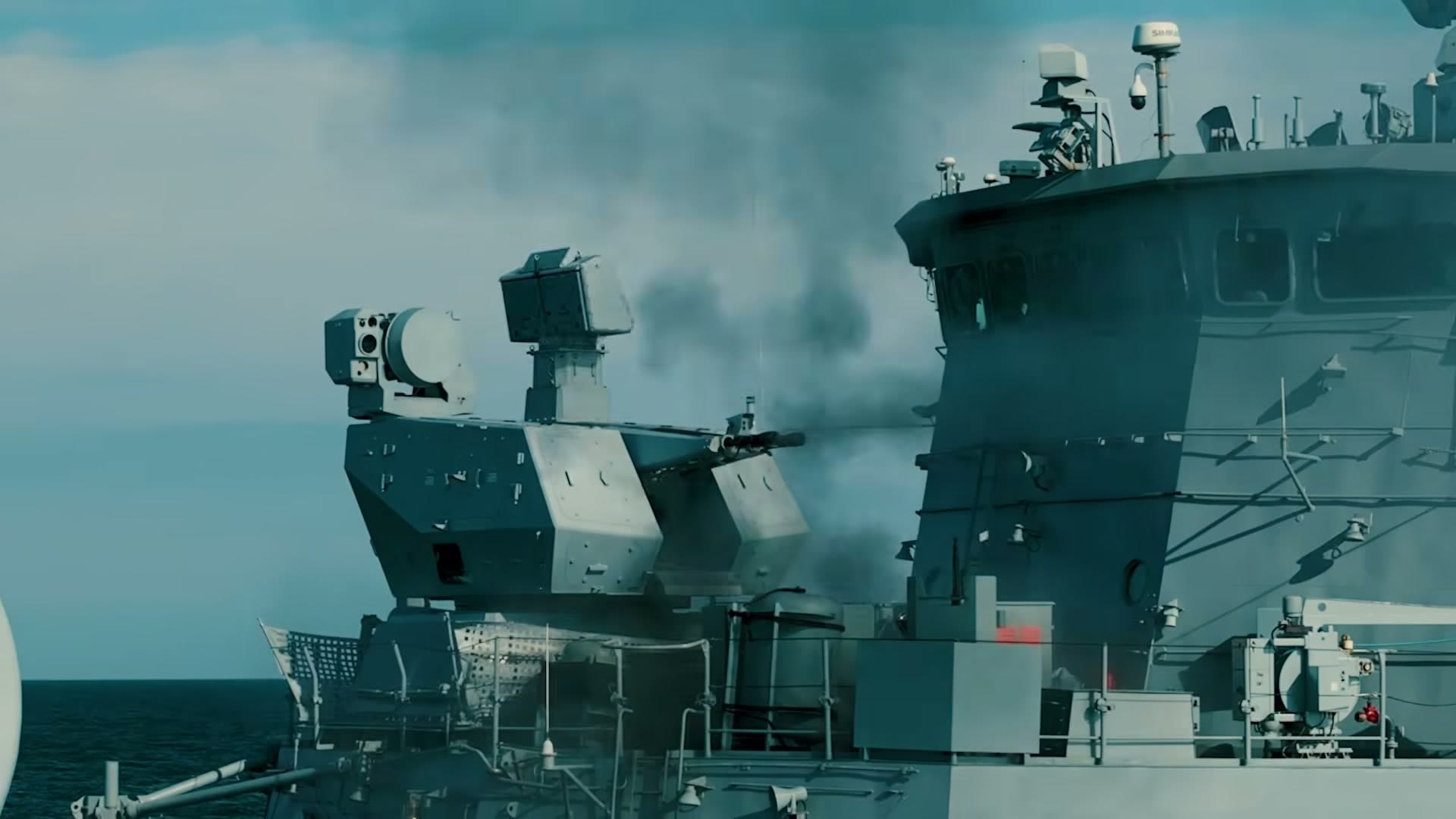
Poland laid the keel of ORP Huragan (276), the third and last of its Miecznik-class frigates, at the PGZ Stocznia Wojenna shipyard in Gdynia on 24 November. On the same day Polish and British officials signed an intergovernmental Program Arrangement to develop the CAMM-MR medium-range air defence missile together, the weapon the frigates are meant to carry.
During the ceremony, officials welded a commemorative medal into a 127-tonne keel section of high-strength steel, 24 metres long and 18 metres wide. With Huragan's keel down, all three ships of the class are now in hull assembly at the same time.
A shipyard that has had to grow
Deputy Defence Minister Magdalena Sobkowiak-Czarnecka said the milestone also shows a revival of Polish naval shipbuilding. According to Naval News, the yard's workforce has grown in three years from several hundred to more than 1,200, with about 1,500 expected next year, and its annual revenue has risen by PLN 1 billion. Shipyard chief executive Marcin Ryngwelski said the yard now has the capacity to build further frigates of the class if the navy wants them.
The Miecznik ("Swordfish") programme is worth more than PLN 15 billion and is led by the PGZ-MIECZNIK consortium. It is based on Babcock's Arrowhead 140 design, the same parent design as the Royal Navy's Type 31. Each ship is about 140 metres long with a full-load displacement of about 7,000 tonnes. The lead ship, Wicher, was launched in August 2026 and is fitting out; Burza's keel was laid in December 2025. Steel cutting for Huragan began in April 2026, with launch planned for 2028 and delivery by late 2031.
British defence minister Luke Pollard attended. The two governments also signed a Project Arrangement on Type 31 and Miecznik cooperation, and Polish firms signed a letter of intent on a dual-use jack-up vessel for offshore wind work and seabed infrastructure protection.
What CAMM-MR is meant to do
The missile deal is the bigger long-term step. The Program Arrangement sets the legal and co-financing framework for joint development. Poland's Armament Agency called it the first international government-industry joint missile development project of its kind. The next step is an executive contract between the Armament Agency, PGZ and MBDA UK that will split the industrial work for the detailed design. No value has been published.

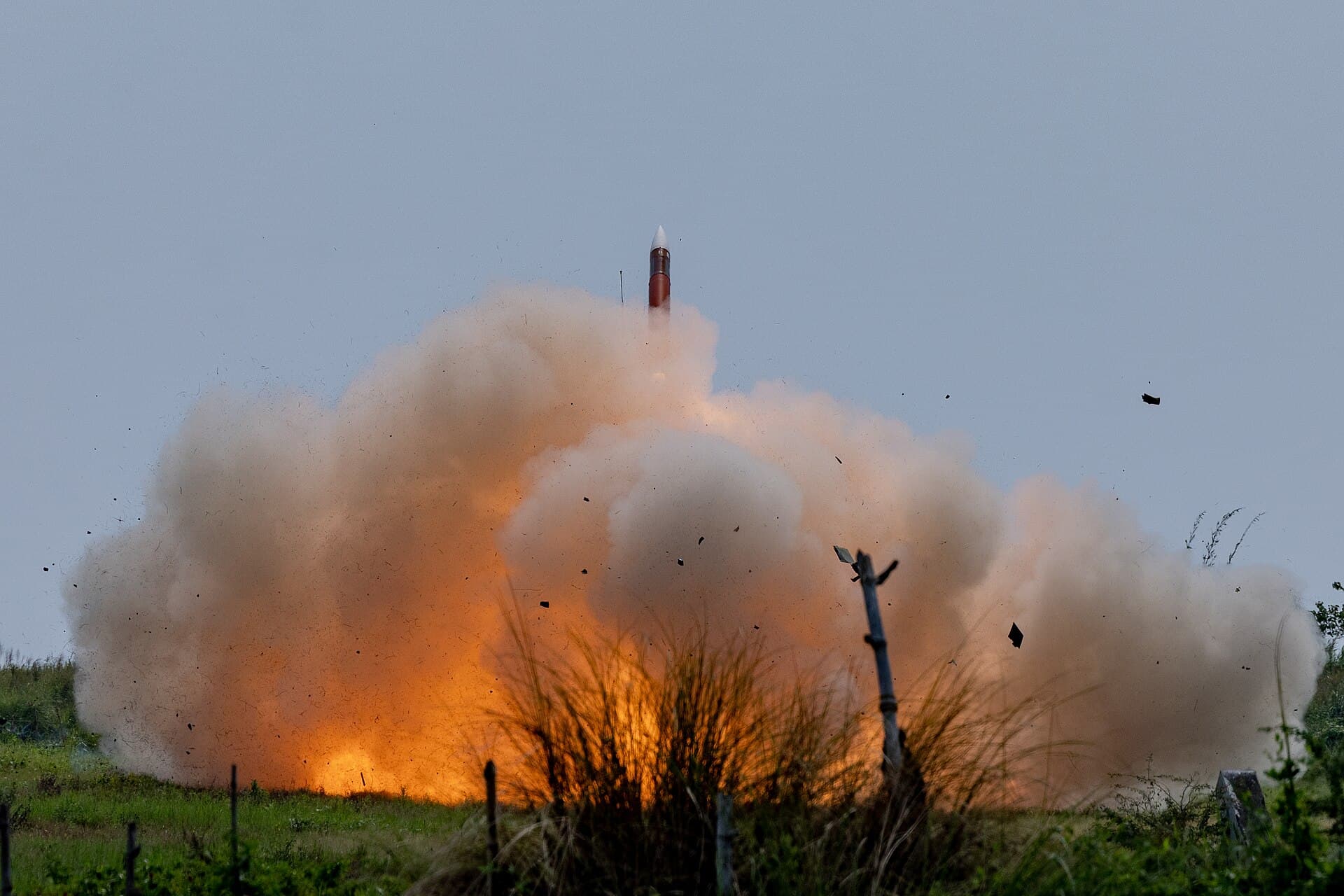
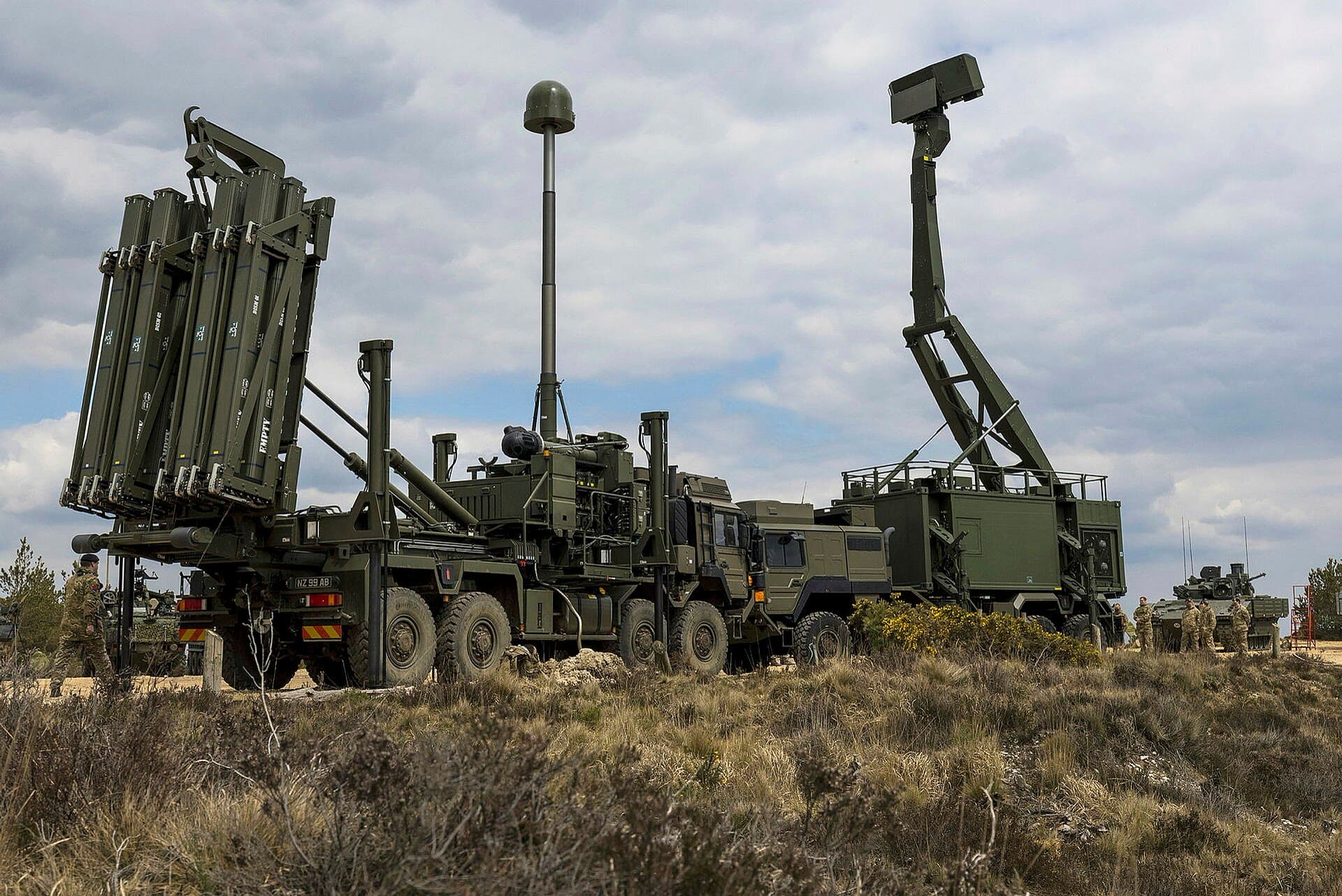
CAMM-MR is expected to reach beyond 100 km, compared with roughly 25 km for the baseline CAMM and about 45 km for the extended-range CAMM-ER. It is planned for the Miecznik frigates' Mk 41 vertical launch systems and for Poland's Narew ground-based air defence batteries, with production timed to match frigate deliveries. Polish outlet Dziennik Zbrojny reports that each Mk 41 cell will hold two CAMM-MR or four baseline CAMM.
Why it matters
Poland is already one of the largest CAMM customers. A UK deal of more than £4 billion in 2023 covered Narew, and a £1.9 billion package equips 22 batteries under Pilica+. MBDA and PGZ first agreed to work together on CAMM-MR in 2023, so this arrangement turns an industrial plan into a funded state-to-state programme.
For Warsaw, the medium-range missile would fill the layer between short-range CAMM and the US Patriot batteries of the Wisła programme, and give the Baltic frigates real area air defence rather than self-protection only. For Britain, a partner who shares the cost and the production line makes a new missile affordable. The hard parts are still ahead: the workshare contract, the test campaign and getting rounds ready in time for ships due between now and 2031.