Navy3 min read
Strait of Hormuz Ship Crossings Fall 40% in November as Iran's Tanker Attacks Mount
Ship-tracking data show vessel crossings of the Strait of Hormuz fell by more than 40 percent between the first and third weeks of November, as at least seven tankers were struck since 16 November. Oil volumes have fallen far less, around 9 to 15 percent, and Brent has slid below $90, which says a lot about how the Gulf export system is adapting.
By Michael Korten ·
The number of ships crossing the Strait of Hormuz fell by more than 40 percent over three weeks in November, according to ship-tracking data, as attacks on tankers trying to run the waterway reached roughly one a day.
MarineTraffic data compiled by Al Jazeera counted 226 vessels entering or leaving the Gulf between 1 and 7 November, and only 125 between 17 and 23 November. On Sunday, 22 November, a single vessel left the Gulf and two entered, the lowest daily figures of the month. Before the war began on 28 February, 125 to 140 ships passed through the strait every day.
The Joint Maritime Information Centre, which is linked to the UK government, says seven tankers have been struck in the strait since 16 November, three of them over about 15 hours on 20 and 21 November, between 8 and 17 nautical miles off Khasab, Oman. A Jordanian sailor is still missing after an attack on an ADNOC Logistics and Services tanker. Some media tallies of tankers hit in the past week run far higher; Militrax uses the JMIC count because it is the only one tied to verified incidents.

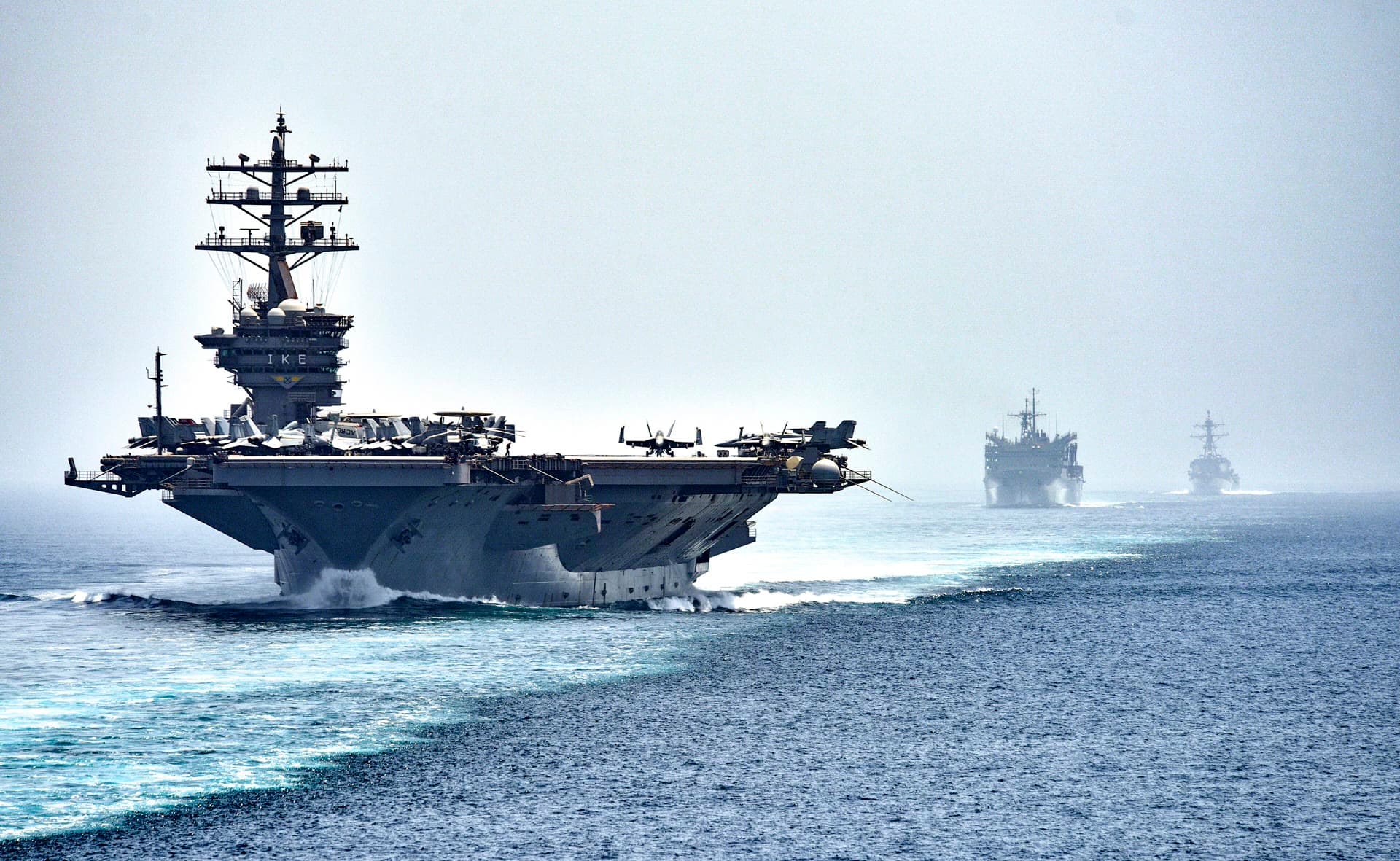
U.S. Navy ships transit the Strait of Hormuz in 2012. The 21-nautical-mile-wide strait carried about a fifth of the world's oil supply before the war. File photo.
Fewer ships, but not 40 percent less oil
The barrel data tell a softer story than the ship count. Shipbroker Braemar says daily crude volumes through the strait fell 9 percent in the first half of November compared with October, and ship-to-ship transfers out of the Gulf fell almost 14 percent. Vortexa estimates that oil flows through Hormuz dropped about 15 percent, from 12 million barrels per day in mid-October to 10.2 million by mid-November. Before the war, about 20 million barrels a day passed through.
Three things explain the gap:
- Ship counts are built on AIS transponder signals, and many tankers now cross at night with transponders off, so the 40 percent figure overstates the real fall in traffic
- Much of the oil now moves in shuttles: tankers cross the strait, pass their cargo to other ships outside it and turn back, which Braemar says stretches a round trip from about 10 days to two weeks
- Saudi Arabia's East-West pipeline to Yanbu and the UAE's line to Fujairah carry crude around the strait entirely, and shipping data company Kpler estimates that exports from the region have at times exceeded pre-war levels
Vortexa analyst Varaleka Pant told AGBI that security is "adding time to every crossing", which slows throughput without breaking the system.
Tehran tightens, Washington threatens
The attacks follow the collapse of the June memorandum between Washington and Tehran and the reinstatement of the US naval blockade of Iranian ports, which the US says has now run for 130 consecutive days. Iran wants the blockade lifted and sanctions waived before it reopens the strait.
On Tuesday, Iran's navy said two tankers that had entered a restricted zone east of the strait with their identification systems switched off hit mines and caught fire, according to the Tasnim news agency. That claim has not been independently confirmed. Army commander Amir Hatami called for Iran to "tighten our control over the Strait of Hormuz", and foreign ministry spokesman Esmaeil Baghaei said Iran would use all available means against the blockade.
President Donald Trump, asked on 22 November whether Iran would test the blockade, said Iranian vessels would "all be at the bottom of the sea like the rest of the navy".
Why the oil price is falling anyway
Brent fell 4.1 percent on 23 November to $88.75 a barrel and was quoted at $88.35 on Tuesday, while US crude dropped below $80 for the first time since August. At the height of the crisis, Brent traded above $120.
The market is reading the same numbers: Gulf exports are slower and costlier, not cut off. Bypass pipelines, ship-to-ship shuttles and dark transits are keeping most of the oil moving, and long-haul cargoes from the Americas and West Africa have become cheaper for Asian buyers as freight rates ease.
The risk is that this balance rests on ships accepting more danger. If mines, rather than drones and missiles, become Iran's main tool, insurers and shipowners may stop accepting it, and a 40 percent fall in ship crossings would then start to show up in the barrel count as well.