UAV2 min read
United States Courts GM and Ford for Drone Parts as Japan Pulls Car Suppliers Into Its Arms Buildup
The Pentagon is in preliminary talks with General Motors, Ford and Magna about supplying motors, sensors and other parts for mass-produced military drones, The Wall Street Journal reported on 24 November. On the same day Reuters detailed how Tokyo is steering Japan's auto suppliers into drone and defence work, showing two allies turning to car industries to fix the same bottleneck.
By Michael Korten ·
The Pentagon is holding preliminary talks with General Motors, Ford and other manufacturers about helping to mass-produce military drones, The Wall Street Journal reported on 24 November, citing people familiar with the discussions.
Under the arrangement being discussed, the carmakers would not build complete drones. They would supply parts to drone makers: engines and electric motors, actuators, sensors and lidar. GM is weighing whether to build drone motors, according to the report, and defence officials have also met Ford, the Canadian parts maker Magna International and manufacturers outside the auto industry. No deal has been signed, and neither the Pentagon nor the companies have publicly confirmed the talks.
Why the Pentagon wants Detroit
The problem is volume. The Pentagon has said it plans to buy millions of drones over the coming years, and U.S. drone makers do not yet have the factory capacity to meet that demand, the newspaper reported. The U.S. Army is pushing from several directions at once: this month it asked industry for 400 one-way attack drones at no more than $3,000 each, with the best performers in line to build up to 10,000 drones inside Army depots.
Car companies bring what small drone firms lack: high-rate production lines, supplier networks and experience making motors and electronics by the million. The Journal also noted the catch. Small, expendable drones are a low-margin product, and the business case for an automaker 'may be thin'.
The talks build on earlier contacts. In April, the Journal and The New York Times reported that senior Pentagon officials had approached GM and Ford about weapons production, at the time focused on components rather than whole systems. GM's defence unit has since moved: GM Defense delivered its first PAC-3 MSE missile-housing parts to Lockheed Martin in September, 22 days after signing a production contract.

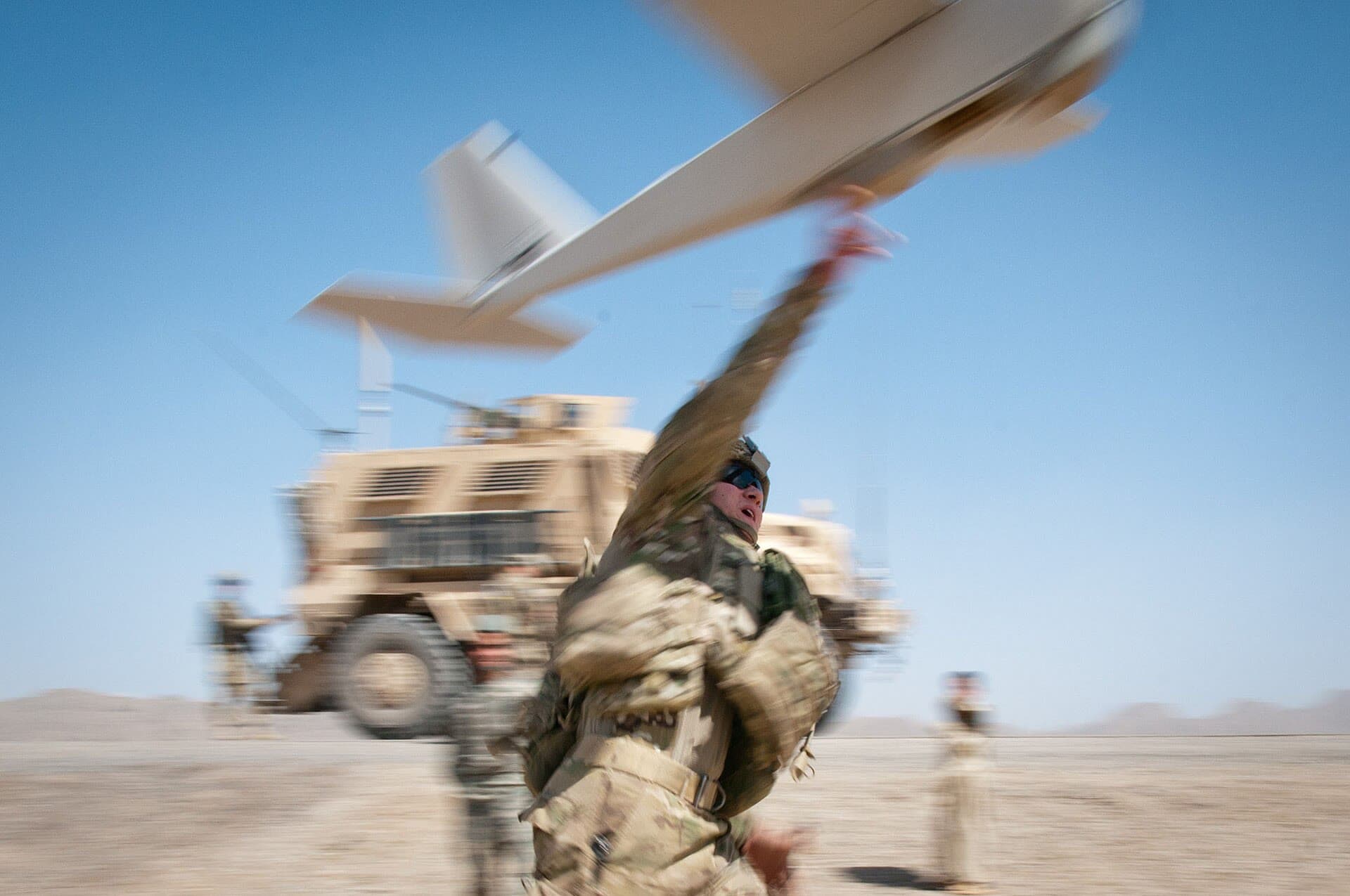
A tube-launched loitering munition lifts off during a U.S. Army LASSO test in Hawaii. The Army now wants one-way attack drones at under $3,000 a copy. File photo.
Japan is already doing it
Japan offers a preview of what such a shift looks like. Reuters reported on the same day that Tokyo is encouraging its auto suppliers to join the country's largest military buildup since the Second World War, with the defence procurement agency ATLA vetting firms, pairing them with arms makers and offering new funding.
The examples are small but real. Aster, a former Toyota parts supplier in Akita prefecture, makes electric motors for drones built by the U.S. firm Anduril, and defence now brings in about a tenth of its revenue. Engine-parts maker Kyowa Industrial says defence work has grown from 3 percent of sales in spring 2025 to 10 percent, with rising orders for prototype drone engines. Japan's big three carmakers, Toyota, Honda and Nissan, are staying out for now.
Japan still has a long way to go: it exported just over 1,100 drones last year, against about 123,000 sold abroad by Taiwan, according to figures cited by Reuters.
What to watch
For Washington, the real test is a contract. Talks that end in parts orders for motors and sensors would add capacity to a supply chain now dominated by start-ups. Talks that stall on margins would show the limits of asking car companies to make low-cost, expendable hardware. In both countries, the model is the same: car suppliers feeding drone makers rather than carmakers building drones themselves.