Navy2 min read
US Navy Moves Raytheon Into Focused Development of the SLCM-N Nuclear Sea-Launched Cruise Missile
Raytheon has won a U.S. Navy Other Transaction Authority agreement to take the Nuclear-Armed Sea-Launched Cruise Missile, SLCM-N, from concept work into a focused development phase, teaming with Anduril, Divergent and Williams International. The award keeps alive a programme that the Biden administration tried to cancel and Congress forced back into the budget.
By Michael Korten ·
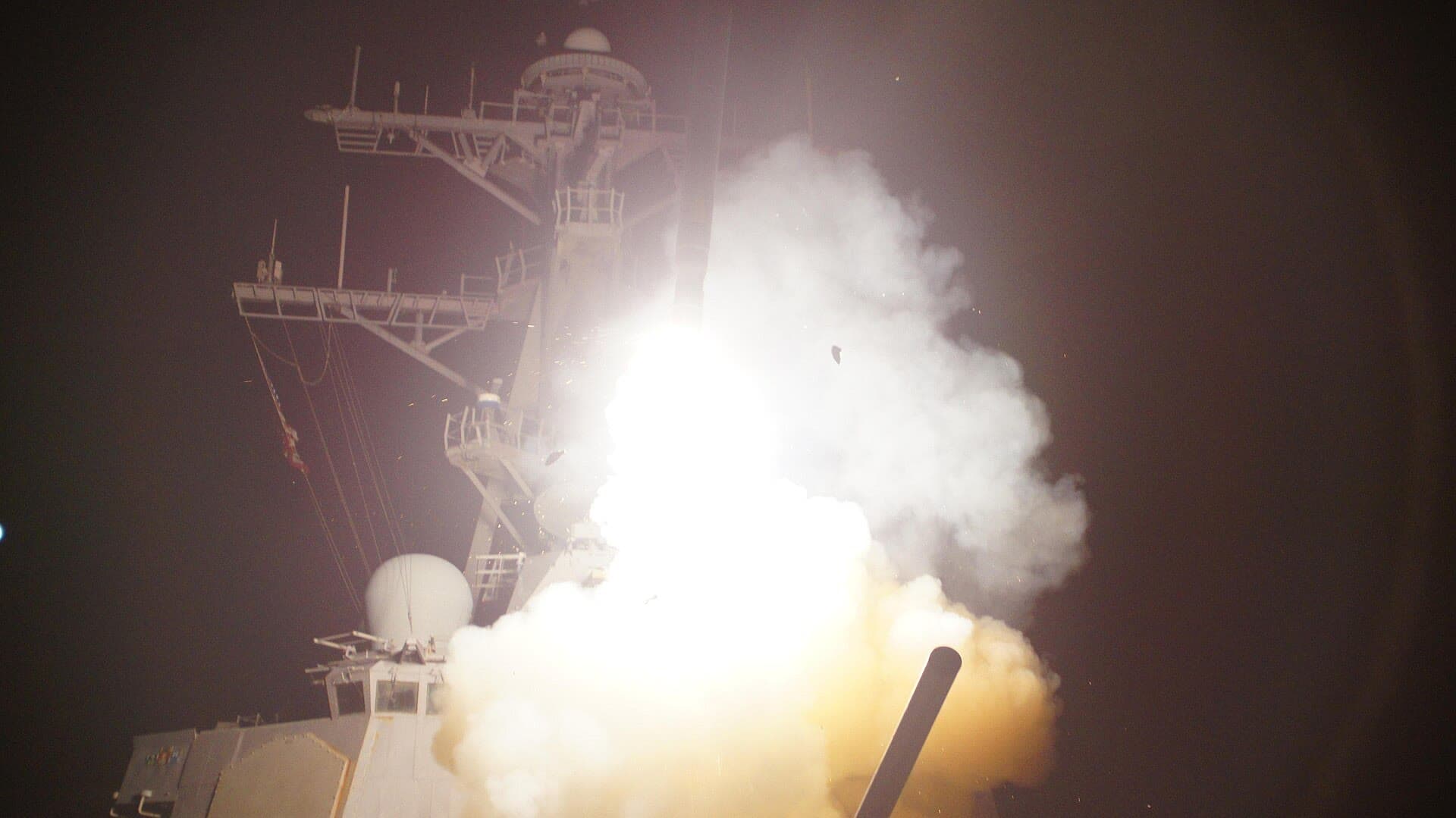
The U.S. Navy has awarded Raytheon an Other Transaction Authority (OTA) agreement to advance development of the Nuclear-Armed Sea-Launched Cruise Missile, known as SLCM-N, a nuclear cruise missile to be fired from attack submarines. RTX announced the award on 24 November.
Under the agreement, Raytheon's Advanced Technology team will move from early concept activities into a focused development phase: maturing the missile's design, integrating key subsystems and preparing for future prototype demonstrations. RTX did not disclose the value of the agreement or say whether other bidders received similar awards.
'This contract reflects the critical importance of strengthening our nation's deterrence and expanding the options available to respond to emerging threats,' said Colin Whelan, president of Advanced Technology at Raytheon.
Who builds what
Raytheon says it will use a 'composable weapons' approach, assembling the missile from mature, modular building blocks to cut development time. Three partners are named. Williams International builds the small turbofan engines that power the Tomahawk family, so its presence points to a long-range, jet-powered design. Anduril Rocket Motor Systems is a new entrant in solid rocket motors, which would supply the booster that pushes a cruise missile clear of a submerged launch. Divergent specialises in additively manufactured structures, a way to build airframes faster with less tooling.
The mix is notable for a nuclear programme: two of the three partners are newer, venture-backed firms, in line with the Pentagon's push to widen a missile industrial base that has struggled to keep pace.

The Virginia-class attack submarine USS Hawaii on the surface off Oahu. Virginia-class boats are the planned launch platforms for SLCM-N. File photo.
A programme that survived cancellation
SLCM-N was proposed in the 2018 Nuclear Posture Review as a regional, non-strategic deterrent, a response to Russia's large stock of theatre nuclear weapons and China's growing arsenal. It would restore a capability the Navy gave up when the nuclear-armed Tomahawk, TLAM-N, was retired in the early 2010s.
The Biden administration's 2022 posture review moved to cancel the missile, arguing it was costly and unnecessary. Congress disagreed, kept funding it and wrote the programme into law, requiring an initial operational capability by 2034. The National Nuclear Security Administration is adapting a version of the W80-4 warhead for the weapon. In 2025 the Navy issued a first round of prototype agreements to several companies, Raytheon among them.
Why it matters
Supporters say SLCM-N gives the United States a lower-yield, survivable option short of its ballistic-missile submarines, and reassures allies in Europe and Asia. Critics argue it adds cost and escalation risk, and takes space aboard attack submarines that would otherwise carry conventional weapons. The Raytheon award does not settle that debate, but it moves the missile from paper studies toward hardware, and a prototype flight would make the programme much harder to reverse.