Land2 min read
US Army Seeks a Third Stinger Successor at Under $200,000 per Missile, With a 2027 Shootout
The US Army has asked industry for a ready-made alternative to its Next Generation Short Range Interceptor, the Stinger replacement Lockheed Martin and Raytheon are developing. Bidders must hit drones at up to 8 km, cost under $200,000 per missile and fire in May 2027.
By Michael Korten ·
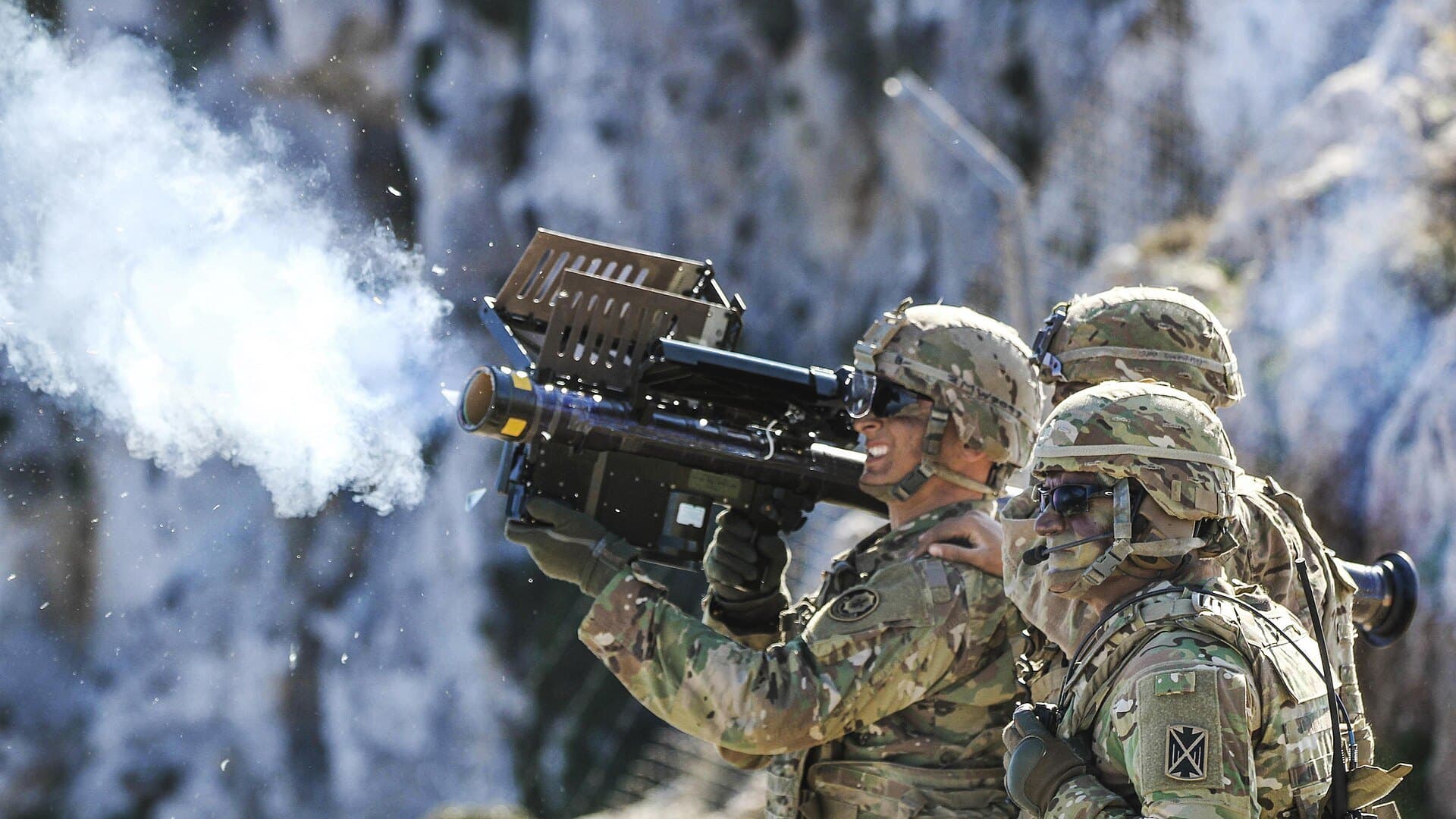
The US Army wants a third contender to replace the Stinger. On November 20, Army Contracting Command at Redstone Arsenal, Alabama, asked industry for a ready-made "alternate interceptor" under the Next Generation Short Range Interceptor (NGSRI) programme, with a live-fire shootout planned for May and June 2027.
- Solution briefs are due by December 20; demonstrations follow in May-June 2027
- Targets: a heat source at 6 km and Group 3 drones at 5-8 km, head-on and crossing
- Affordability goals: under $200,000 per missile and under $200,000 per launcher
- Bidders must price at least 11,000 missiles and 2,200 launchers over 10 years
A third option next to Lockheed and Raytheon
Lockheed Martin and RTX's Raytheon have been building competing NGSRI designs since the Army picked them in March 2023. Lockheed flew its missile for the first time at White Sands Missile Range on January 13, 2026, and Raytheon said in July that it had fired several guided rounds at Dugway Proving Ground. A third design would give the Army a fallback and more price pressure before it commits to production. Raytheon also builds the Stinger, which has been in US service since the early 1980s.
The call was issued for the Short and Intermediate Effectors for Layered Defense (SHIELD) project office. The Army wants a "high performance, soldier portable, fire and forget" missile against helicopters, fixed-wing aircraft and Group 2 and 3 drones. It must be backwards compatible with Stinger platforms, including the Stryker-based SGT STOUT air defence vehicle and the Marine Corps' MADIS, and fire from existing FIM-92 launchers, day and night.
A tough test
Each invited company must fire at least one warhead round and one telemetered round from a soldier-portable launcher. One shot must hit a "Hot Plate" heat-source target hung at least 25 metres above the ground at 6,000 metres. Two more must intercept Group 3 drones at 5,000 to 8,000 metres, once head-on and once from the side. Every shot is pass or fail. For comparison, the Stinger on SGT STOUT reaches roughly 4.8 km.
The Army does not want paper designs. Companies must be ready to fire by May 2027, deliver at least 50 test missiles and six launchers within three months of the shootout, and be able to start low-rate production by the end of fiscal 2028. Prototype awards are targeted for September 2027, and a winner could move straight into production without a new competition. Only US companies, or foreign firms with US partners cleared for SECRET work, can bid.
Why it matters
The war in Ukraine and drone attacks in the Middle East have made short-range air defence one of the Army's most urgent needs, and today's Stinger is both short-ranged against drones and expensive to replace. The Army's 2027 budget request includes $215 million for NGSRI within $460.9 million for manoeuvre short-range air defence, up from $296 million in 2026. A cap of $200,000 per round would make the new missile far cheaper to fire at drones than larger interceptors such as the Patriot, covered in our report on the first Patriot battery certified on the Army's new IBCS network.