UAV3 min read
Turkey, China and the US Race to Field Unmanned Fighters That Can Strike Warships
Most jet-powered combat drones flying today were built for air combat, jamming or scouting, not for sinking ships. Turkey's Kizilelma has hit a sea target with a stand-off missile and China says its GJ-21 has flown from a warship, while US and Australian drone wingmen have no anti-ship weapon yet.
By Michael Korten ·
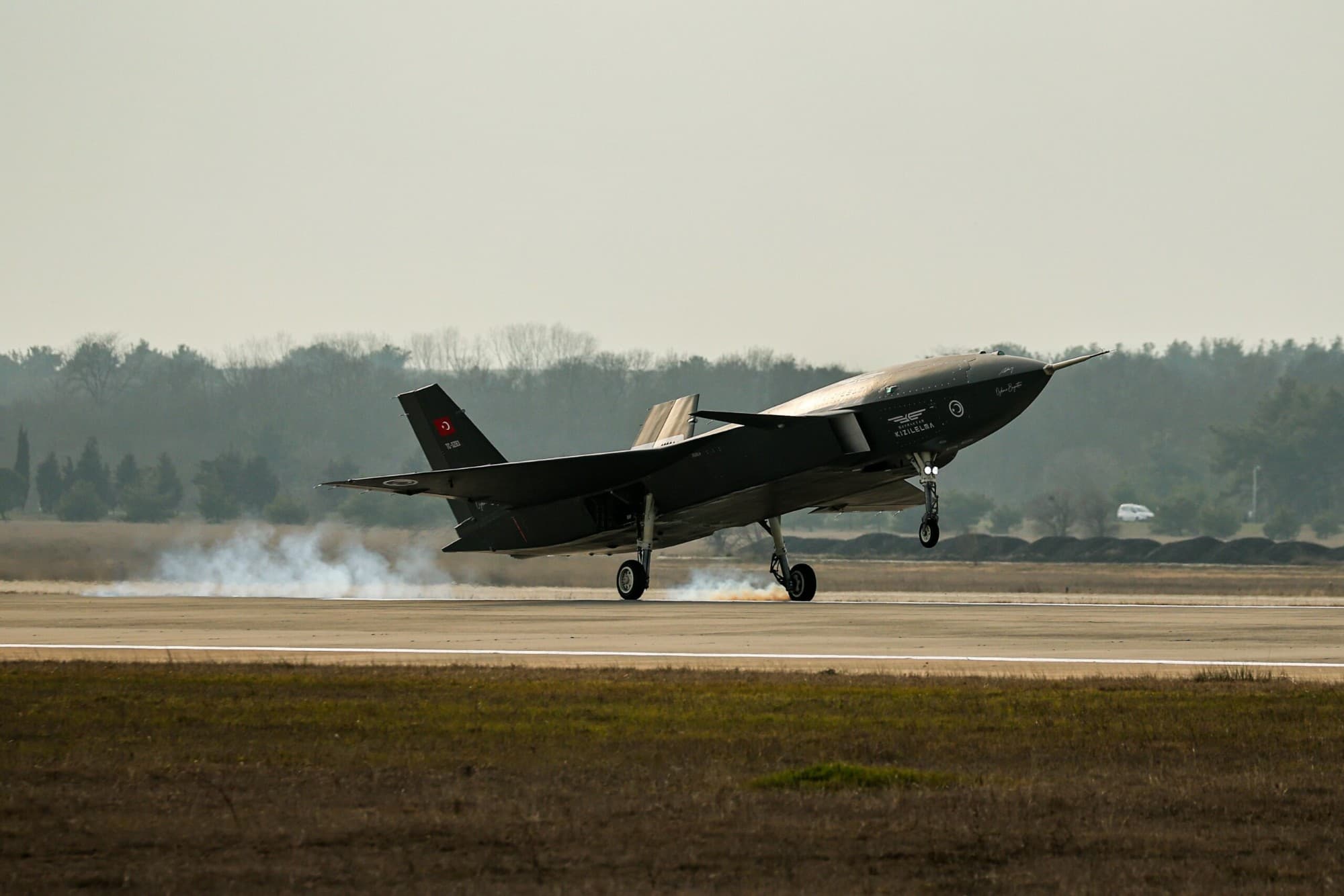
Ask which unmanned fighter can already strike a warship and the honest answer in late 2026 is: almost none, yet. A handful of jet-powered combat drones are flying, but most have been built first to fight in the air, jam radars or scout ahead of crewed fighters. Only two have publicly moved toward the sea: Turkey's Bayraktar Kizilelma, which has hit a target at sea with a stand-off missile, and China's GJ-21, which Beijing says has flown from a warship.
- Kizilelma (Turkey): hit a sea target with Roketsan's JET-230 from more than 120 km in July 2026, according to Baykar
- GJ-21 (China): the PLA Navy says it made its first catapult launch and arrested landing on the Type 076 Sichuan on October 30, 2026
- XQ-58 Valkyrie (US Marine Corps): in development as a drone wingman, starting with electronic warfare
- MQ-28 Ghost Bat (Australia), YFQ-44A Fury (US) and Anka-3 (Turkey): no anti-ship weapon announced
Turkey's Kizilelma: the first to hit a target at sea
Baykar's Kizilelma is the clearest case. On July 11, 2026, the series-production aircraft S2, flying from the 5th Main Jet Base at Merzifon, fired Roketsan's JET-230 and struck a naval target at a range Baykar put at more than 120 km. The JET-230 is an air-launched aeroballistic missile developed from the UAV-230 that already arms Baykar's Akinci drone; Baykar quotes a range of over 200 km.
That firing followed tests with LGK-82 and TEBER-82 guided bombs in March 2026 and a first air-to-air missile kill in November 2025. The first three production jets were handed to Turkish forces on November 19. Kizilelma was designed with the short deck of the assault ship TCG Anadolu in mind, but no shipboard launch or recovery has been shown so far.
Two caveats matter. The figures come from Baykar and Roketsan, and a hit on a stationary sea target is not the same as finding and hitting a moving, defended warship. Even so, no other unmanned fighter has publicly shown that much.
China's GJ-21: the only one at sea
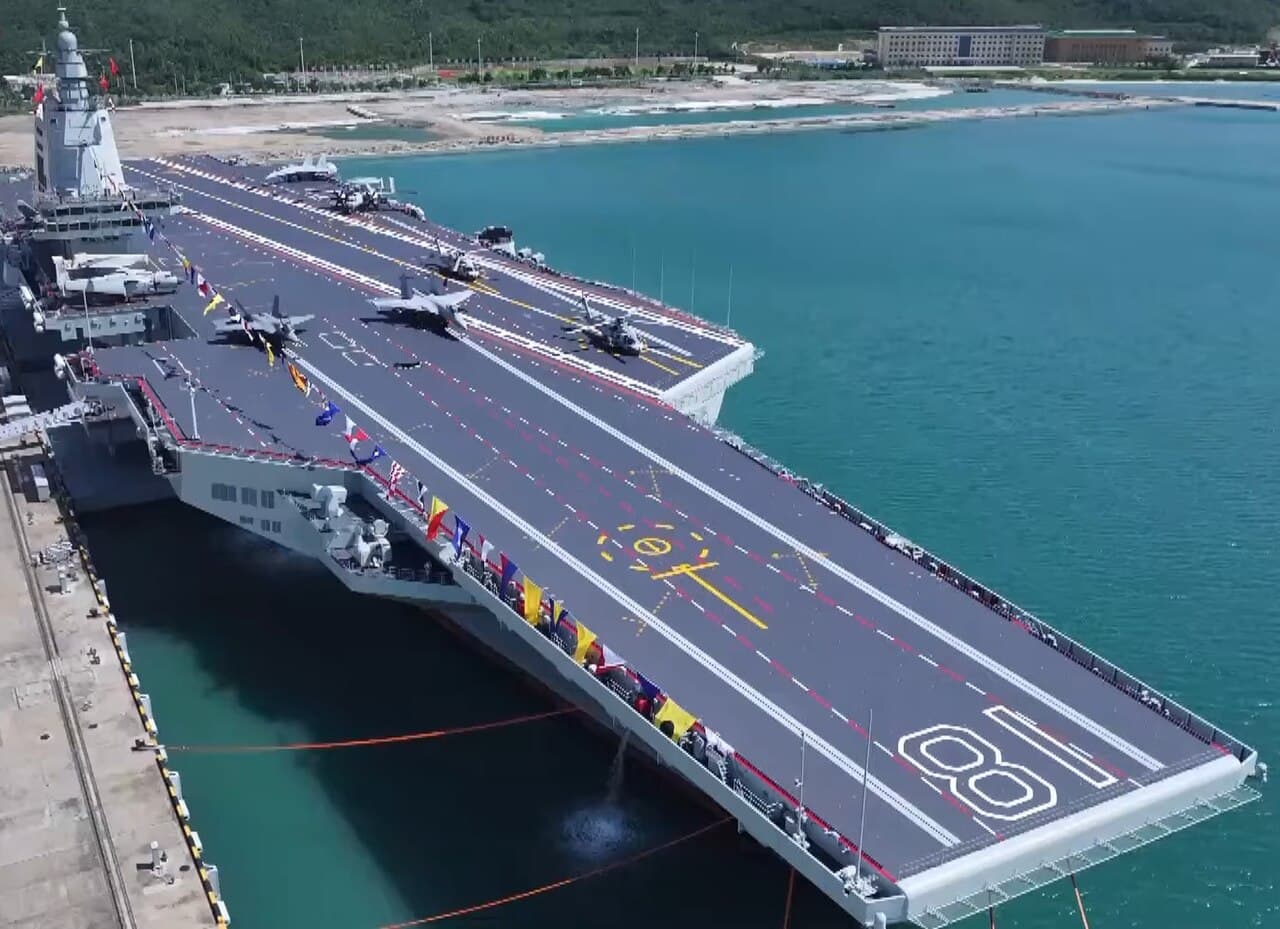
China has taken the opposite route: get the drone on the ship first. The GJ-21 is a naval version of the GJ-11 Sharp Sword flying wing, with folding wings, a tailhook and a catapult launch bar. It was first shown at the Beijing parade on September 3, 2025. On October 30, 2026, the PLA Navy said a GJ-21 had made its first electromagnetic catapult launch and arrested landing aboard the Type 076 assault ship Sichuan.
No photos or video of that flight have been released, and China has said nothing about which anti-ship weapons the drone carries. But a stealthy flying wing that can operate from a big-deck amphibious ship would give the PLA Navy a scout and strike aircraft far from shore, which is exactly the job maritime strike needs.

An XQ-58A Valkyrie is launched by rocket booster at Yuma Proving Ground, Arizona, in December 2020. The US Marine Corps is turning the Valkyrie into its first drone wingman. File photo.
The US and Australian drones are not there yet
The US Marine Corps chose Northrop Grumman and Kratos in January 2026 to turn the XQ-58 Valkyrie into its MUX TACAIR drone wingman, under a $231.5 million prototype agreement. The Valkyrie can be launched by rocket, needs no runway and is cheap enough to risk, which suits Pacific island operations. But the first payload is electronic warfare, and the Marines do not plan operational testing before 2029.
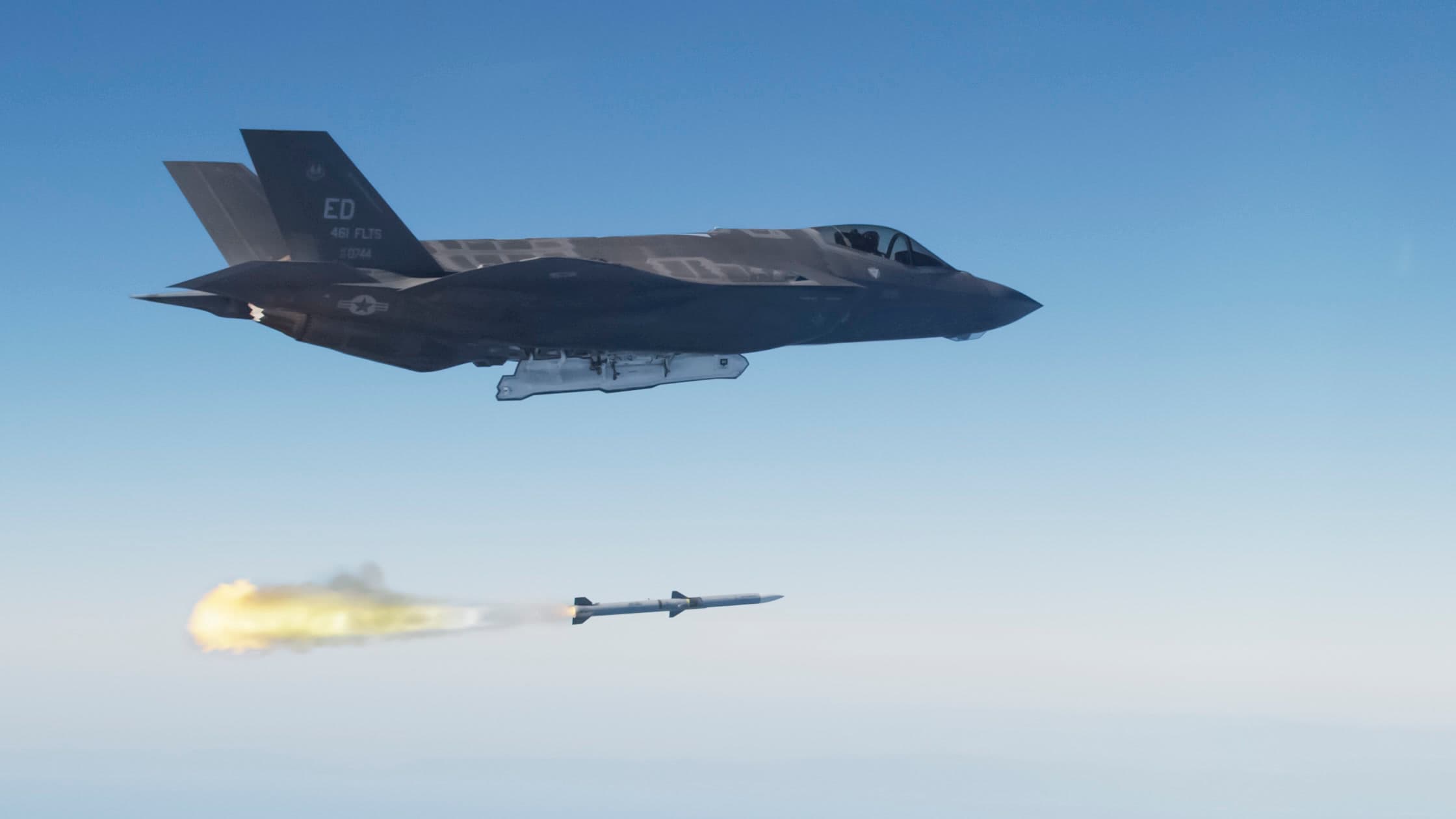
Boeing's MQ-28 Ghost Bat has fired an AIM-120 air-to-air missile, and the Block 3 design shown in June 2026 adds internal bays for AMRAAMs and Small Diameter Bombs. It made its exercise debut at Valiant Shield 2026 in a sensor role. Anduril's YFQ-44A Fury, picked for the US Air Force's first Collaborative Combat Aircraft increment, is also built around air-to-air missiles. Turkey's Anka-3 flying wing has dropped TOLUN and LGK-82 munitions from its internal bay but is still in flight testing.
Why it matters
Sinking ships is where unmanned fighters could matter most. Anti-ship strikes mean flying into dense air defences, and that is the mission where losing an expensive crewed jet and its pilot is most likely. For now the work is still done by crewed aircraft, as in the Valiant Shield 2026 sinking exercise, where a B-2 bomber used an LRASM anti-ship missile. The navy that first pairs a cheap, carrier-capable combat drone with a long-range anti-ship missile will change that maths. Turkey has the missile shot, China has the deck. Neither has yet shown both together.