UAV3 min read
Sweden's Nordic Air Defence Unveils K200 Drone Interceptor, Heads to Ukraine for Testing
Swedish start-up Nordic Air Defence has launched the K200, an autonomous fixed-wing interceptor with a 500 g warhead meant to bring down long-range attack drones, including jet-powered Gerans, for far less than an air-defence missile. It will be tested in Ukraine first.
By Michael Korten ·
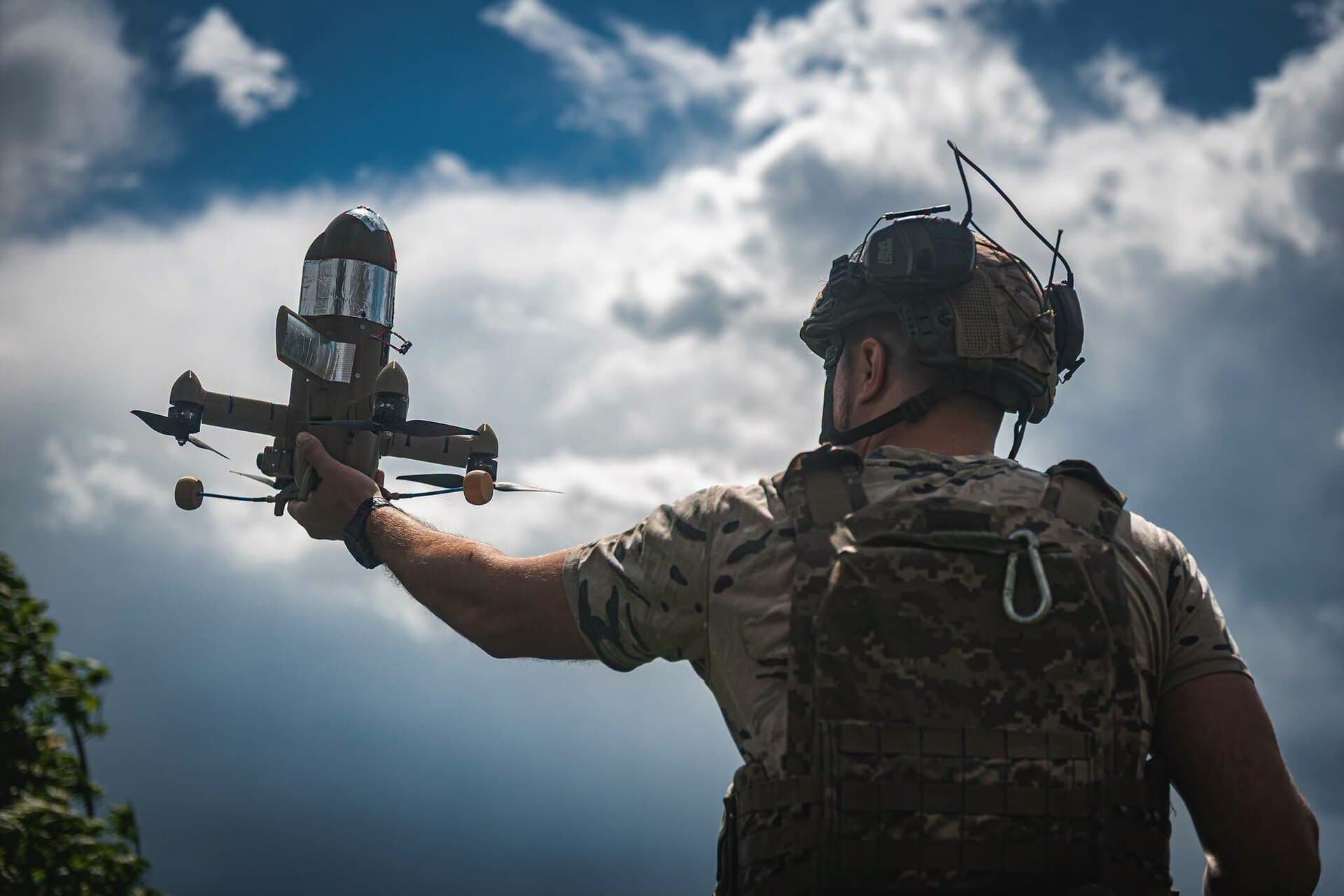
Swedish start-up Nordic Air Defence has launched a new drone interceptor, the K200, and says its first stop will be Ukraine. The company announced the system on Friday and said it has opened a staffed office in Ukraine, where testing will shape further development before the interceptor is offered in other markets.
The K200 is a small, autonomous fixed-wing aircraft with a single propeller. Its job is to fly out and destroy long-range attack drones, including jet-powered types such as Russia's Geran-3, at a fraction of the price of the missiles normally used against them.
What the K200 does
Nordic Air Defence describes the K200 as the successor to its Kreuger 100XR. It is faster than the earlier model, the company says, and carries a heavier warhead of 500 g, about a pound of explosive. It has not published a speed, range or price.
Guidance comes in two stages. External radars and electro-optical and infrared cameras on the ground steer the interceptor towards the target. For the last part of the chase, an infrared camera in the nose takes over. If the first pass misses, the K200 can turn and try again. The company says it can attack from behind, head-on or across the target's path.
It is designed to plug into existing layered air defences through data links and their radars, rather than work as a stand-alone system. Nordic Air Defence plans a family of launchers so the K200 can be fired from vehicles, fixed sites and ships. Its website lists the K200 as an electric interceptor with modular payloads, aimed at protecting critical sites.
Where it comes from
The Stockholm-engineered K200 builds on the company's smaller Kreuger 100. According to Nordic Air Defence, that interceptor is an electric fixed-wing aircraft under 1 kg that folds away for transport, reaches a dash speed of 270 km/h and has a range of more than 10 km. It is sold for close-in protection of vehicles and for use in large numbers.
The step up to the K200 reflects the threat. Russia's propeller-driven Geran-2, a copy of Iran's Shahed-136, has been joined by jet-powered versions that fly much faster and are harder for small interceptors to catch.
Why Ukraine matters
Ukraine is where interceptor drones have become an everyday weapon. Its units already launch home-made interceptors such as the Sting against Shaheds, and President Volodymyr Zelenskyy said last month that Kyiv is testing five locally produced jet-powered interceptors.

Ukraine's first jet-powered drone interceptor, Alexa Spatium, introduced in August 2026. Kyiv says it is testing five locally made jet interceptors. File photo.
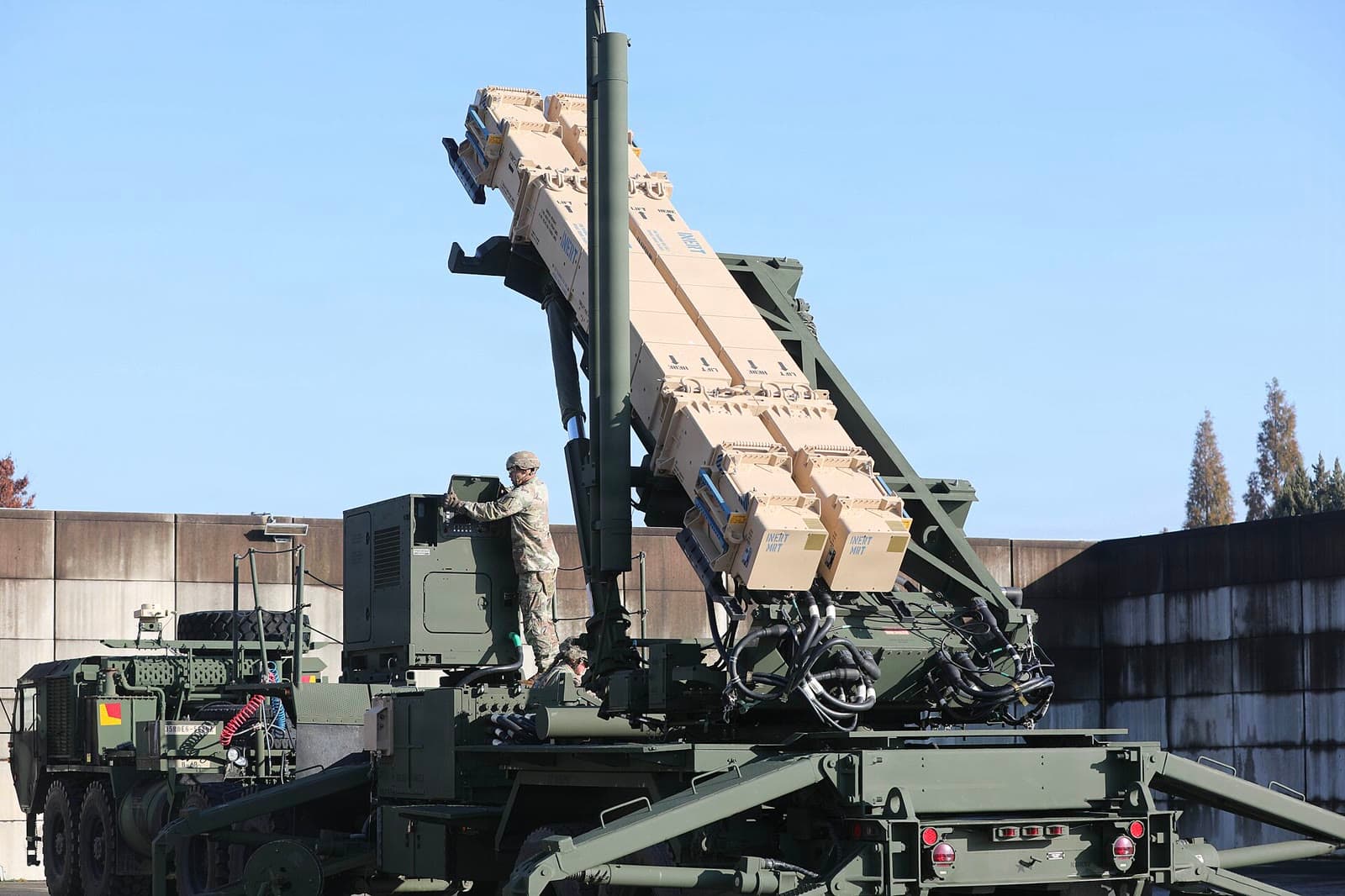
The pressure is constant. On the day the K200 was announced, Zelenskyy said Russia had launched more than 400 attack drones and more than 110 missiles overnight, including 27 ballistic missiles. Ukraine shot down 79 cruise missiles, he said, but stopping ballistic missiles depends on partners supplying interceptors, and Patriot missiles are in short supply.
Every cheap interceptor that can stop a drone saves an expensive missile for a target that needs one. That is the case Nordic Air Defence is making: drone attacks are growing in number, speed and accuracy, and armies need a way to scale their defences without running out of money or missiles. It is the same logic behind NATO's push for cheaper counter-drone tools, covered in our report on the NATO counter-drone marketplace.
What to watch
Nordic Air Defence has not named a customer or given dates for the Ukrainian trials. The key questions are the ones the company has not answered yet: how fast the K200 flies, how far it can reach, and what it costs. Those numbers will decide whether it can catch a jet-powered Geran, and whether it is cheap enough to fire in the numbers Ukraine needs.