Land2 min read
Netherlands Sets Out EUR 1.6 Billion Plan to Grow Its Defence Industry 40% by 2030
The Dutch government wants its defence industry to grow 40% by 2030, to about EUR 15 billion in revenue, and has set aside EUR 1.6 billion for the plan. Air and missile defence, drones, digital command and sustainment are the focus areas.
By Michael Korten ·
The Netherlands spends more on defence than most of Europe but owns none of its big weapons makers. A new government plan is meant to change the second part. The Dutch defence ministry wants the country's defence technological and industrial base to grow by 40% by 2030, with revenue reaching about EUR 15 billion, and has earmarked EUR 1.6 billion to get there, Defense News reported.
"Through this national program, the government, together with industry and research institutions, is rolling up its sleeves to ensure that the armed forces get what they need, both now and in a conflict situation," the government wrote to parliament.
Where the money goes
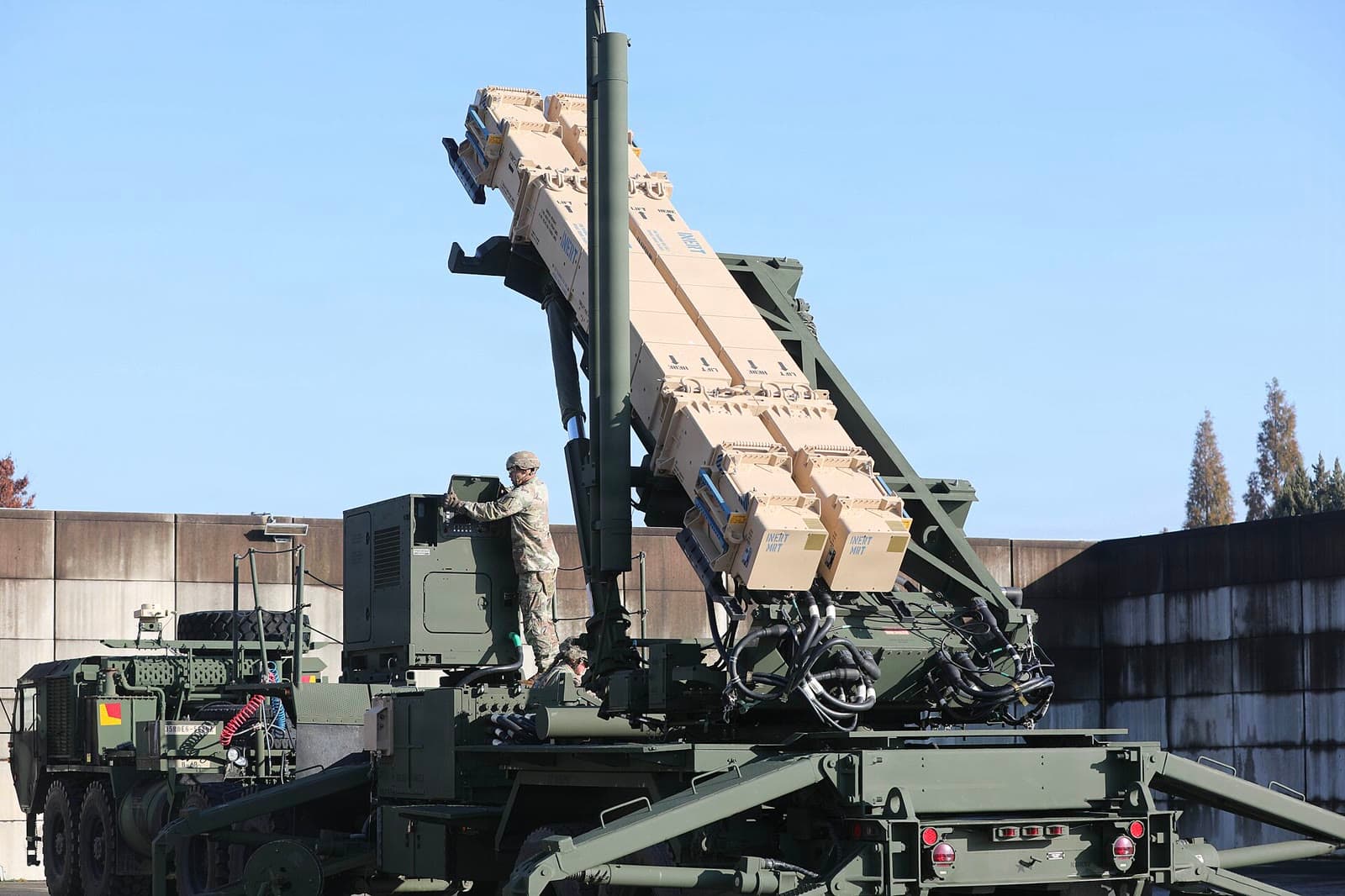
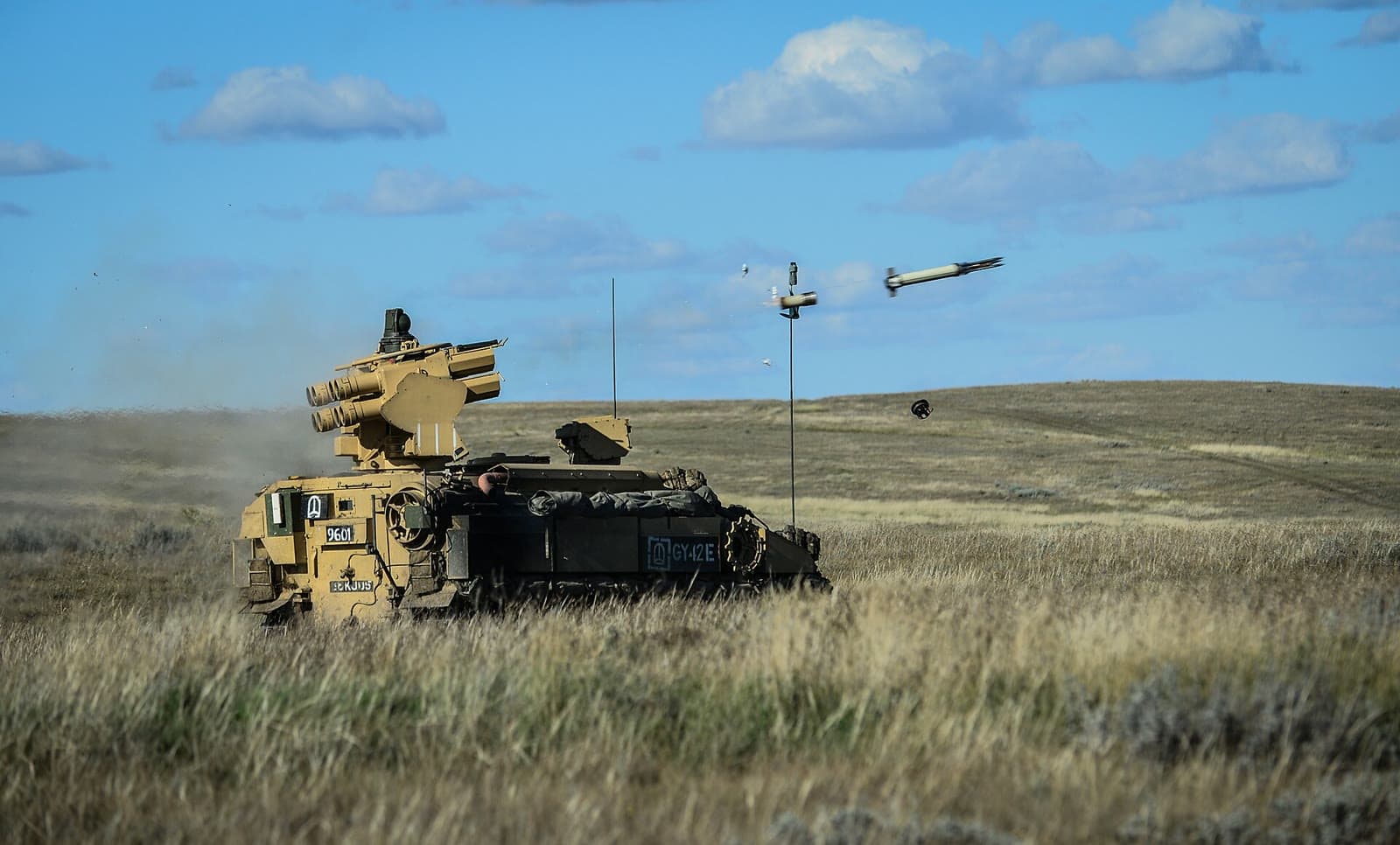
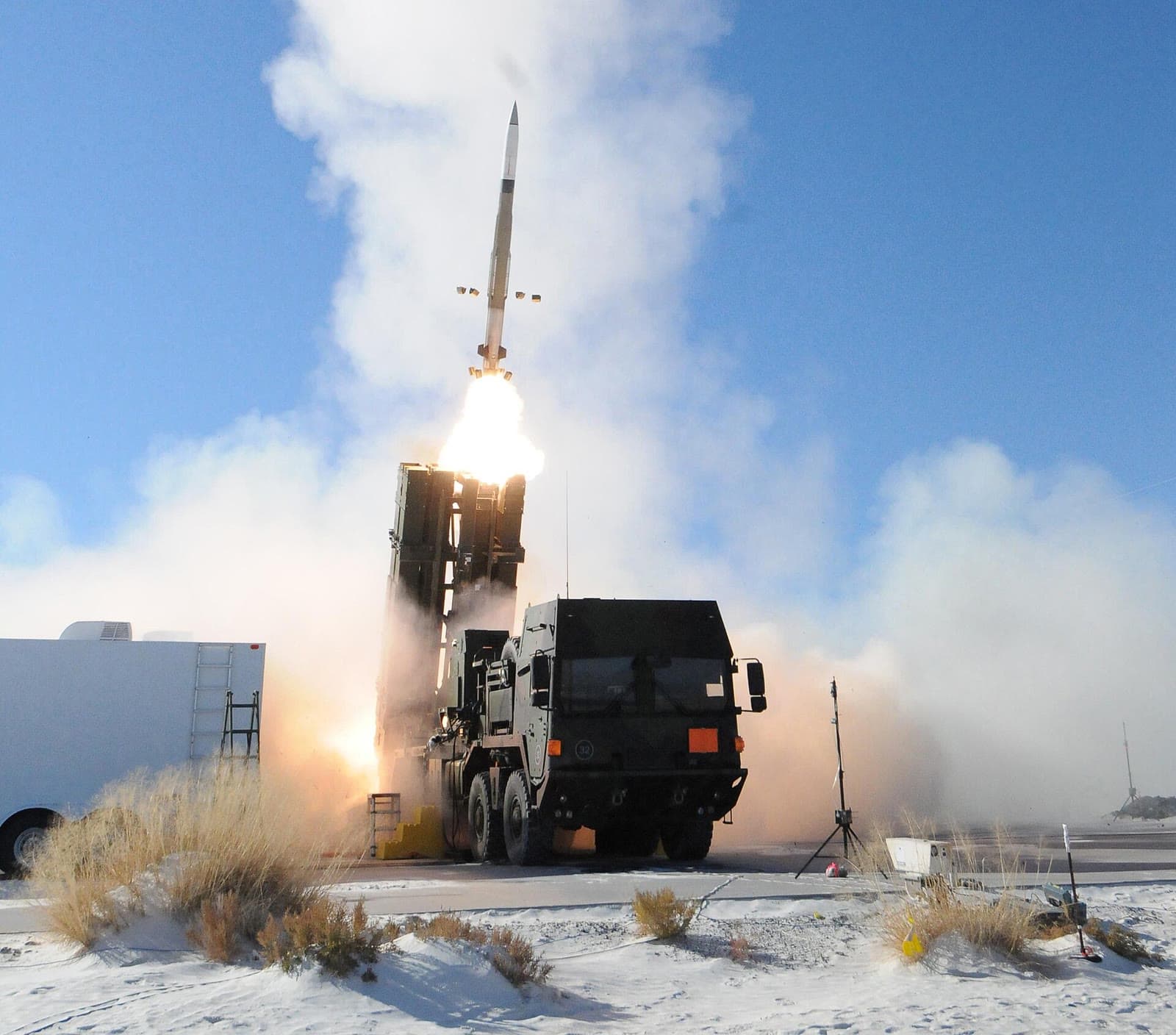
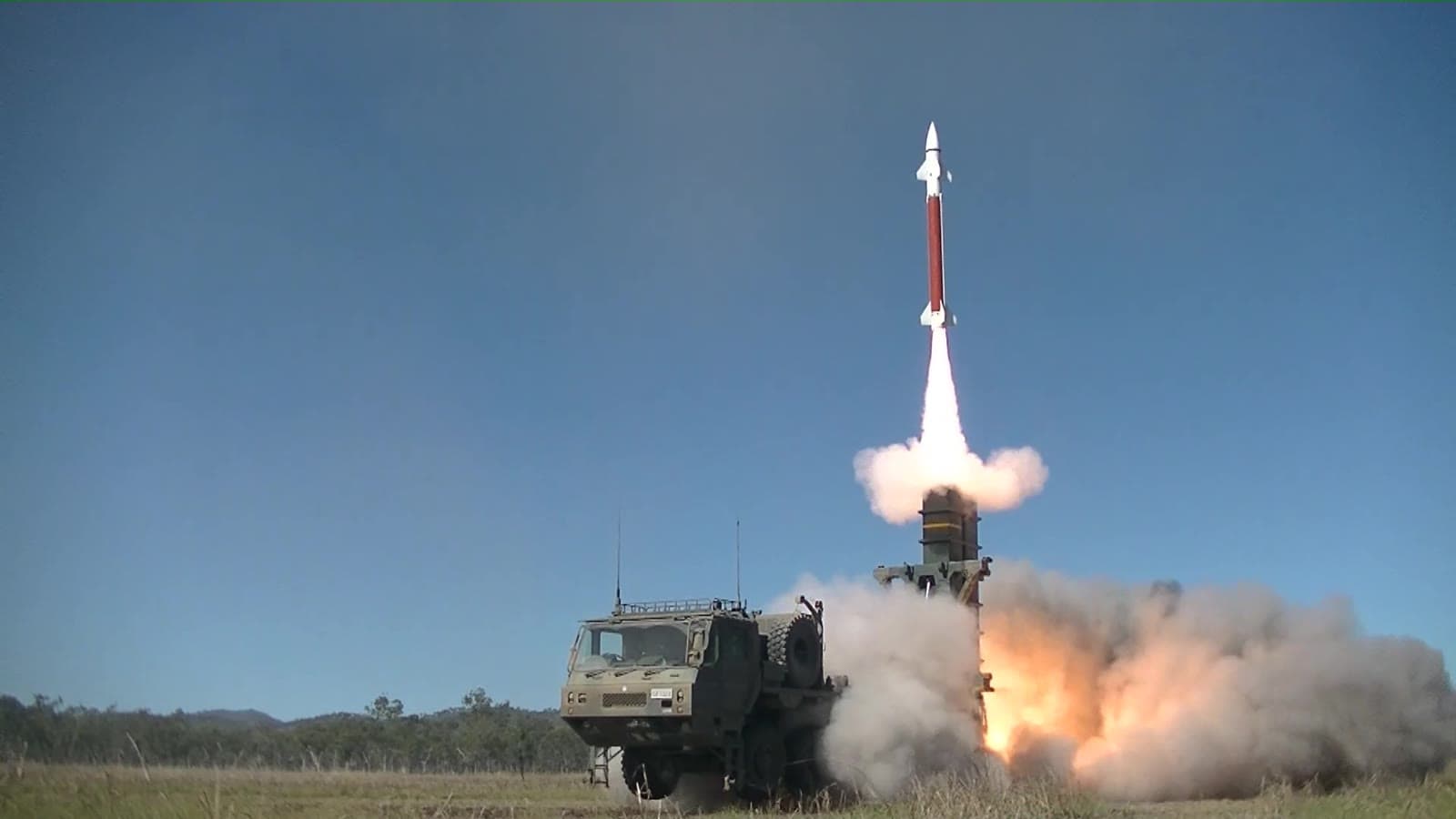
The plan picks four areas: integrated air and missile defence; data-driven command and digital resilience; unmanned and autonomous systems; and military sustainment. Of the EUR 1.6 billion, EUR 600 million goes to industrial ecosystems and scaling up production, EUR 320 million to help pay for international cooperation and EUR 150 million to make supply chains more resilient.
There is more around the edges. The ministry and Invest-NL will set up a EUR 200 million fund for dual-use companies. A new National Institute for Defence Technology will open in 2028 with a budget rising to EUR 350 million a year by 2030. The government also wants new legal powers by 2028 to block unwanted takeovers of strategic Dutch defence firms and stop sensitive technology from leaking abroad.

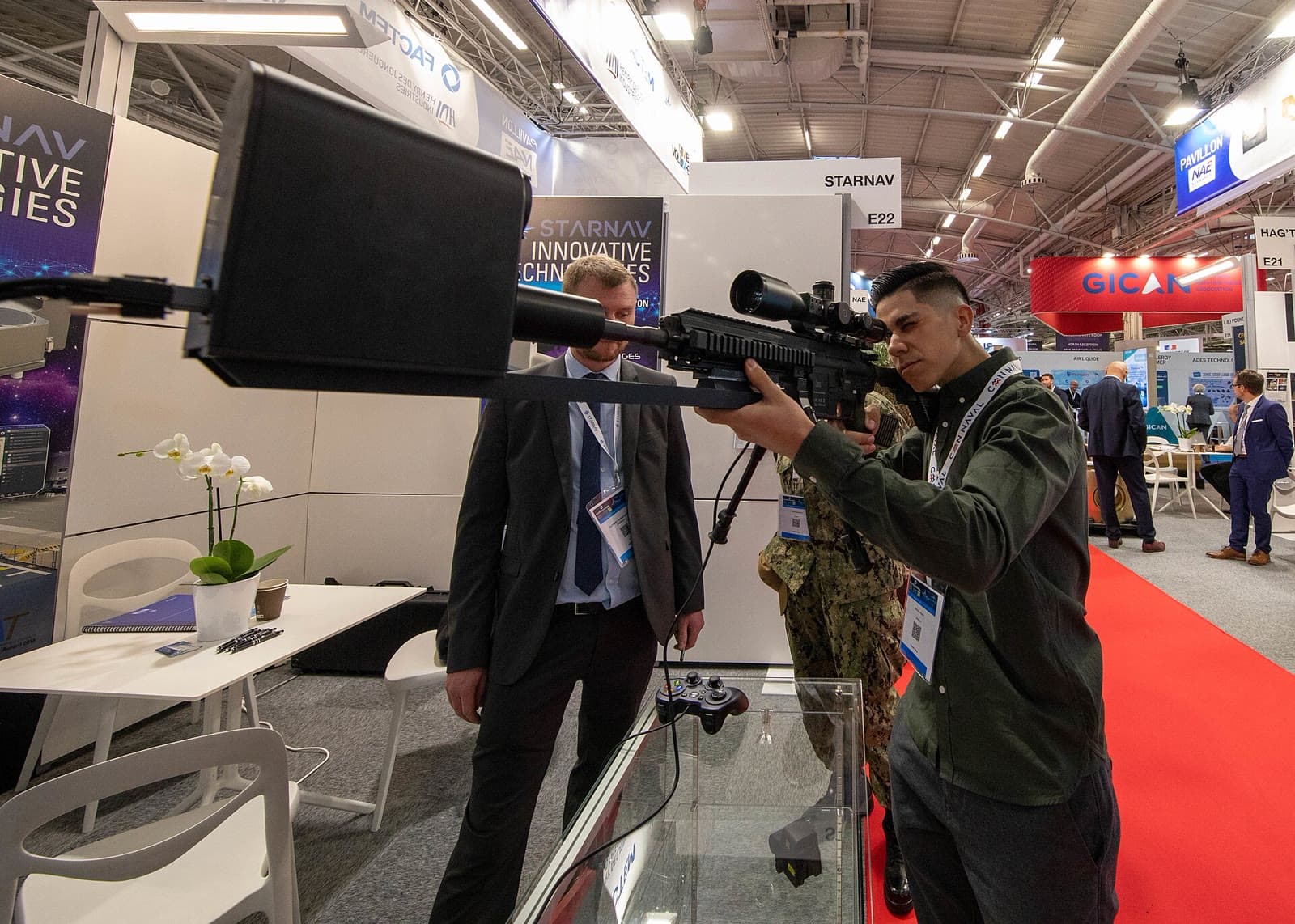
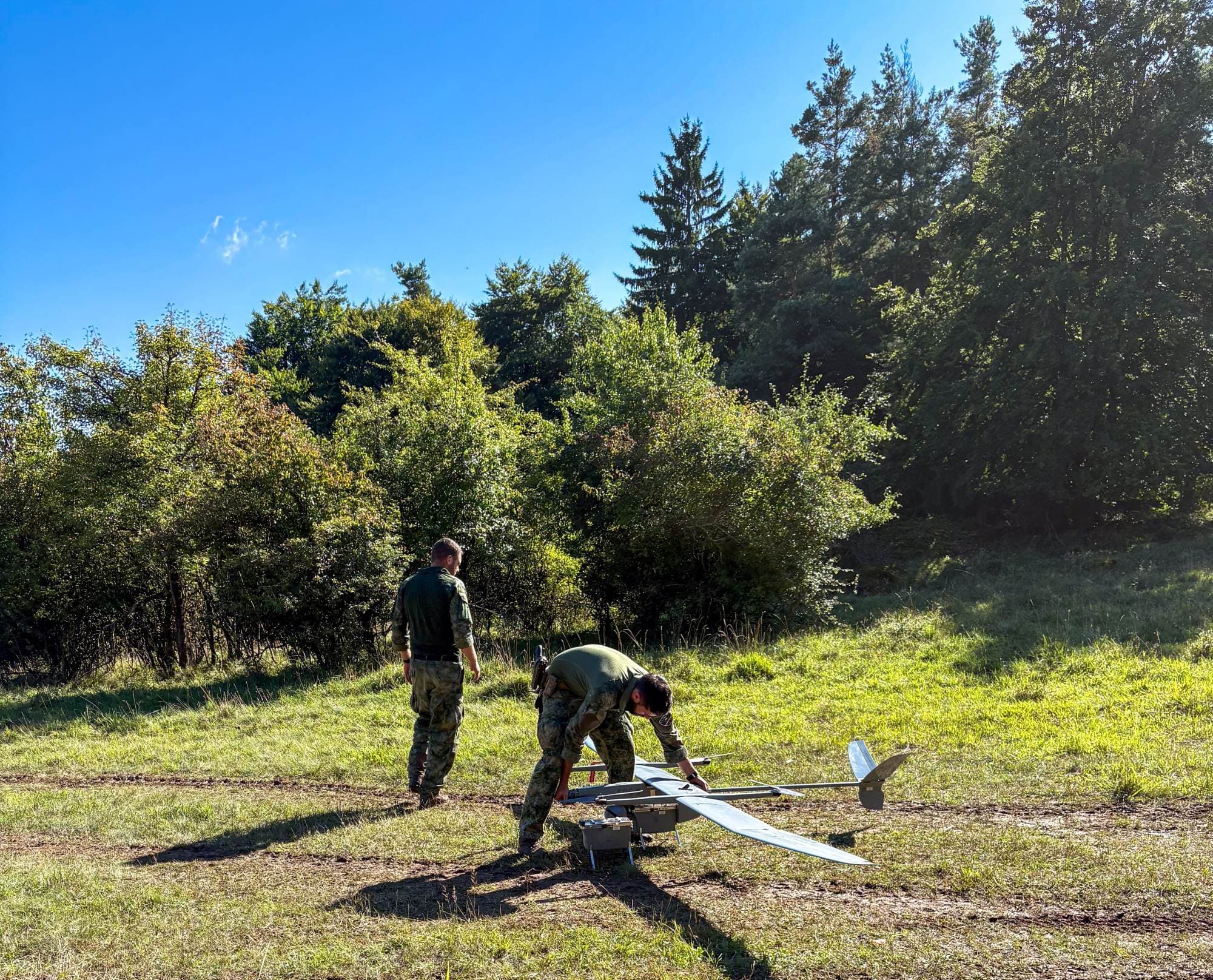
Dutch drone operators follow live feeds in a field command post during Saber Junction 25. Data-driven command is another priority of the plan. File photo.
Buy Dutch, then buy European
The most consequential change may be in procurement. From 2027 the ministry will give more weight to where products and suppliers come from, and from early 2028 its rules will look at the origin of raw materials and components and at supply-chain transparency. The domestic share of Dutch defence revenue is supposed to rise faster than the total, by 50% to more than EUR 10 billion, while exports grow by about 25%.
The Netherlands is not trying to build a national champion alone. It plans to lead or join capability groups with Belgium, Germany, France, the UK and the Nordic countries.
Why it matters
The Dutch are NATO Europe's seventh-largest defence spender, ahead of Sweden, yet they have no Saab, Rheinmetall or BAE Systems. What they have is depth in niches: Thales runs much of its radar business from the Netherlands, Damen builds warships, and Destinus says its Ruta cruise missiles have been used by Ukraine against the Kerch bridge. The plan bets that these niches, funded and protected, can become indispensable links in Europe's supply chains. If it works, the Netherlands will matter more in European arms projects than its lack of a prime suggests.