NATO Opens a Counter-Drone Marketplace So Allies Can Skip the Tender
NATO has launched a counter-drone marketplace under its Drone Edge initiative, letting allies buy pre-selected systems without running their own tenders. It comes with a revised air and missile defence plan that puts drones, missiles and aircraft under one command structure.
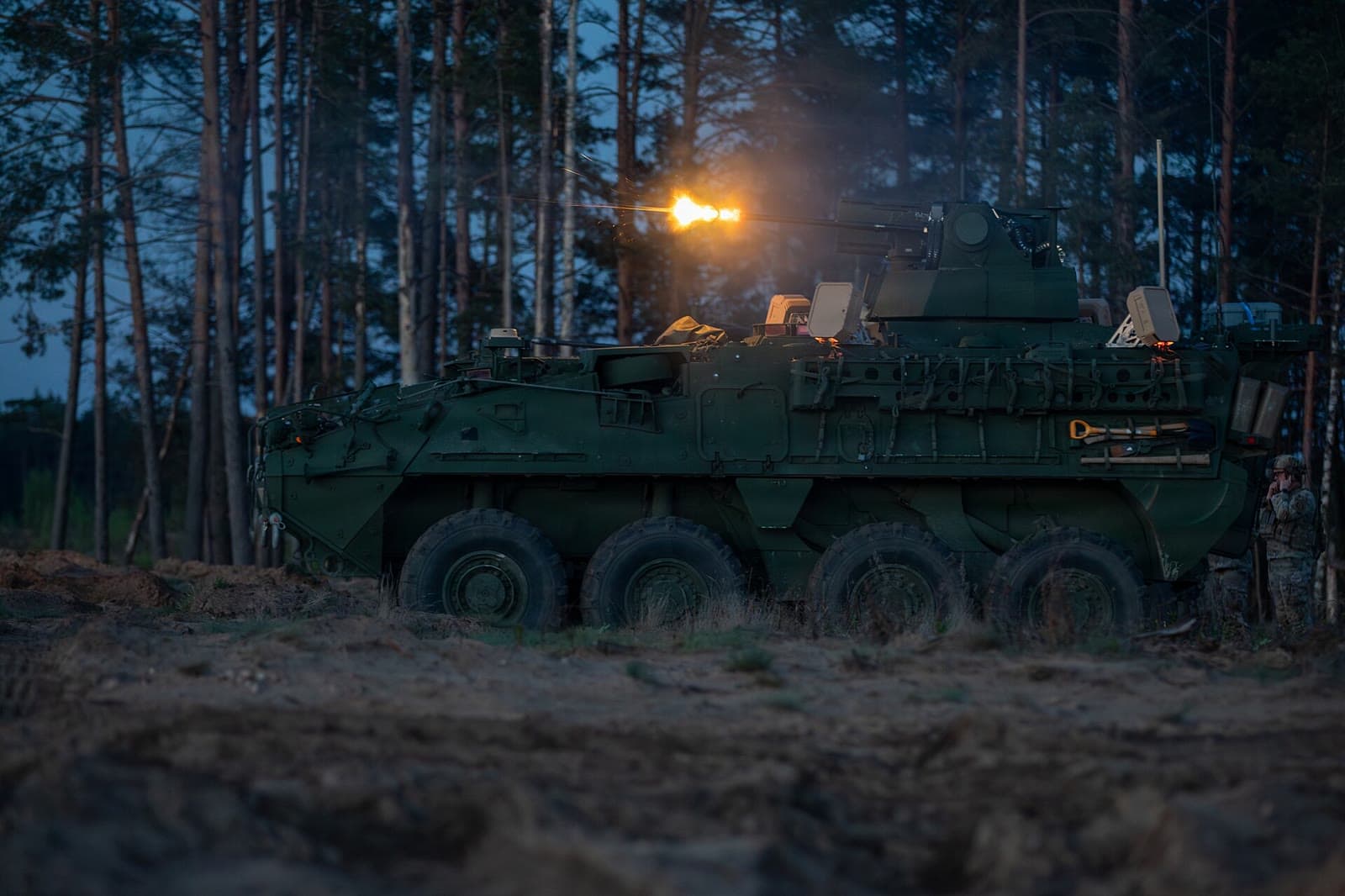
Buying a counter-drone system usually takes a European army a year or more of tenders, trials and paperwork. NATO is trying to cut that to weeks. The alliance has opened a counter-drone marketplace that lets members order systems NATO has already selected, without running a competition of their own.
The marketplace was launched on November 5 under Drone Edge, the counter-drone initiative announced at the NATO summit in Ankara in July, where allies committed to spend more than $40 billion on counter-drone capabilities over five years. The first catalogue covers equipment for fixed sites, systems that can be moved between sites and systems that work on the move. One trade report counts 16 solutions from five companies, several of them already deployed in allied countries and in Ukraine.
How it works
The NATO Communications and Information Agency runs multi-award framework contracts with the chosen suppliers. The frameworks are not orders in themselves; a country picks a system from the catalogue and places its own contract against the framework. NATO has also set aside €3.1 million to pay for further trials, so national forces and NATO commands can test the kit against their own requirements before buying.

Airmen train on the Coyote counter-drone interceptor system. File photo.
The bigger change: one air defence picture
The marketplace supports a revised NATO air and missile defence plan. Until now, peacetime air policing and ballistic missile defence ran under different rules. The new plan gives them common command and engagement rules and links sensors and weapons so commanders can see a threat and choose the cheapest way to stop it.
That last point is the heart of it. NATO says it needs affordable ways to stop cheap one-way attack drones while keeping expensive interceptors for harder targets. Shooting down a drone that costs tens of thousands of dollars with a missile worth millions is not sustainable, as Ukraine and the Middle East have shown. The plan puts counter-drone systems, fighters on alert, surveillance aircraft, ground-based air defence and mobile firing teams under one structure, run around the clock by Allied Air Command through three Combined Air Operations Centres that can back each other up.
The plan covers crewed aircraft, drones, cruise missiles and ballistic missiles, and NATO says it lays the groundwork for future threats such as hypersonic glide vehicles.
The test will be speed. The repeated drone incursions over Poland, Romania and the Baltic states have shown how thinly spread allied counter-drone cover still is. A catalogue only helps if countries actually order from it, and if the suppliers on it can build fast enough to meet a rush of demand.
The Militrax Weekly
The week's defense news, in one email.
Deals, deliveries and new weapons from every theater, explained. Every Sunday, free, no spam.
Read Next
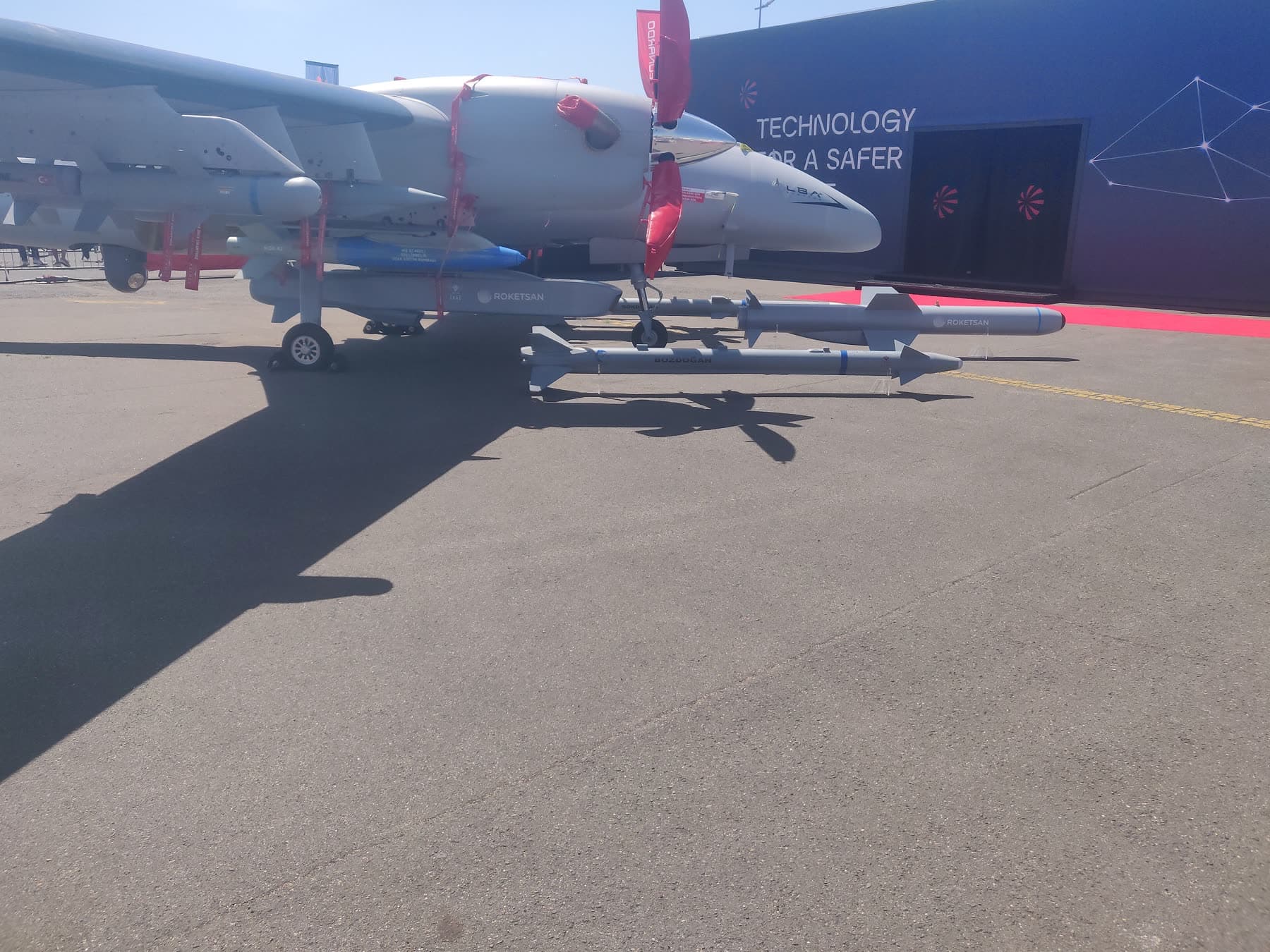
Pakistan to Buy and Build 100,000 Turkish FPV Drones as Its Role in KAAN Is Confirmed
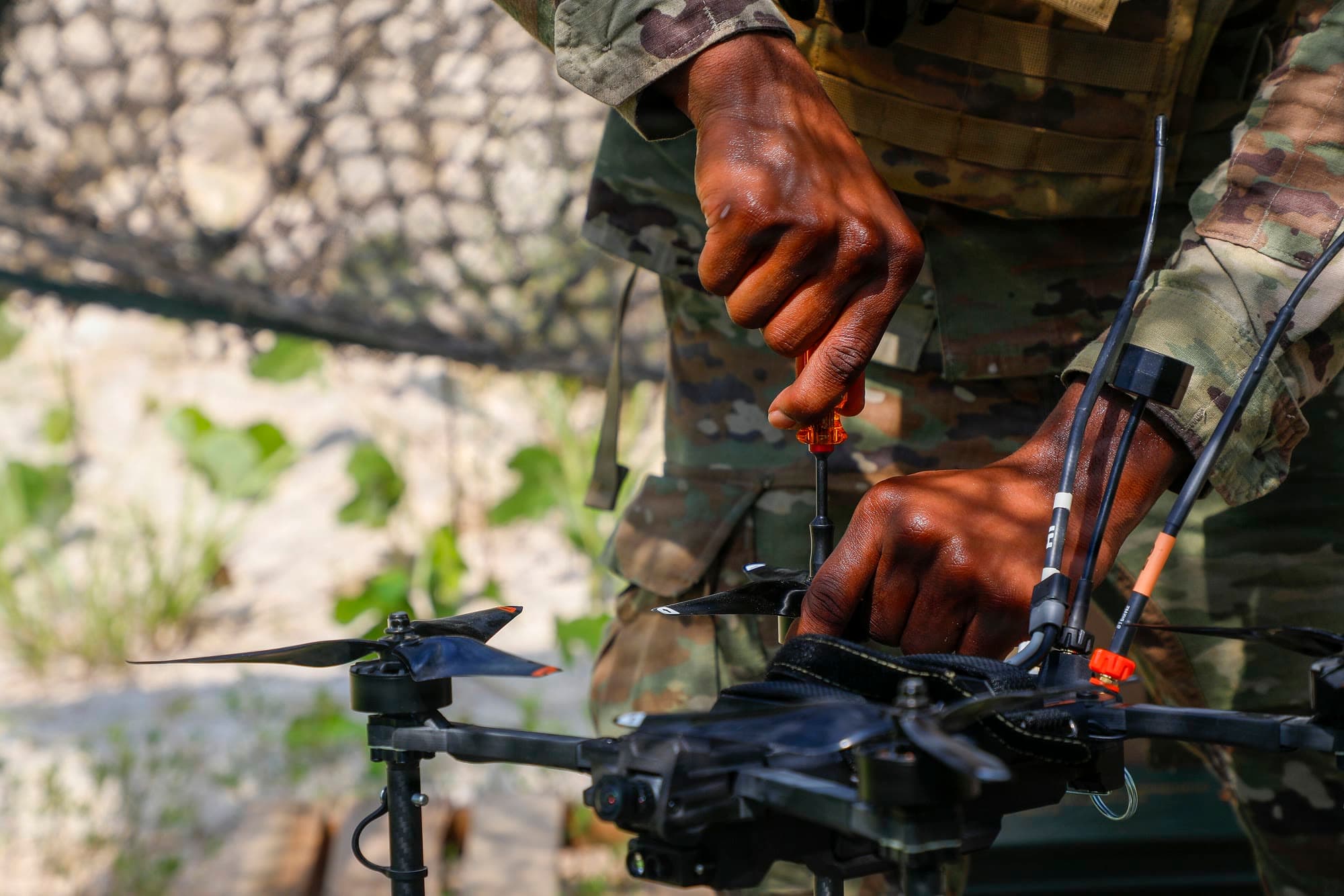
Pentagon Lends Neros $450 Million to Build Small Drone Parts in the US
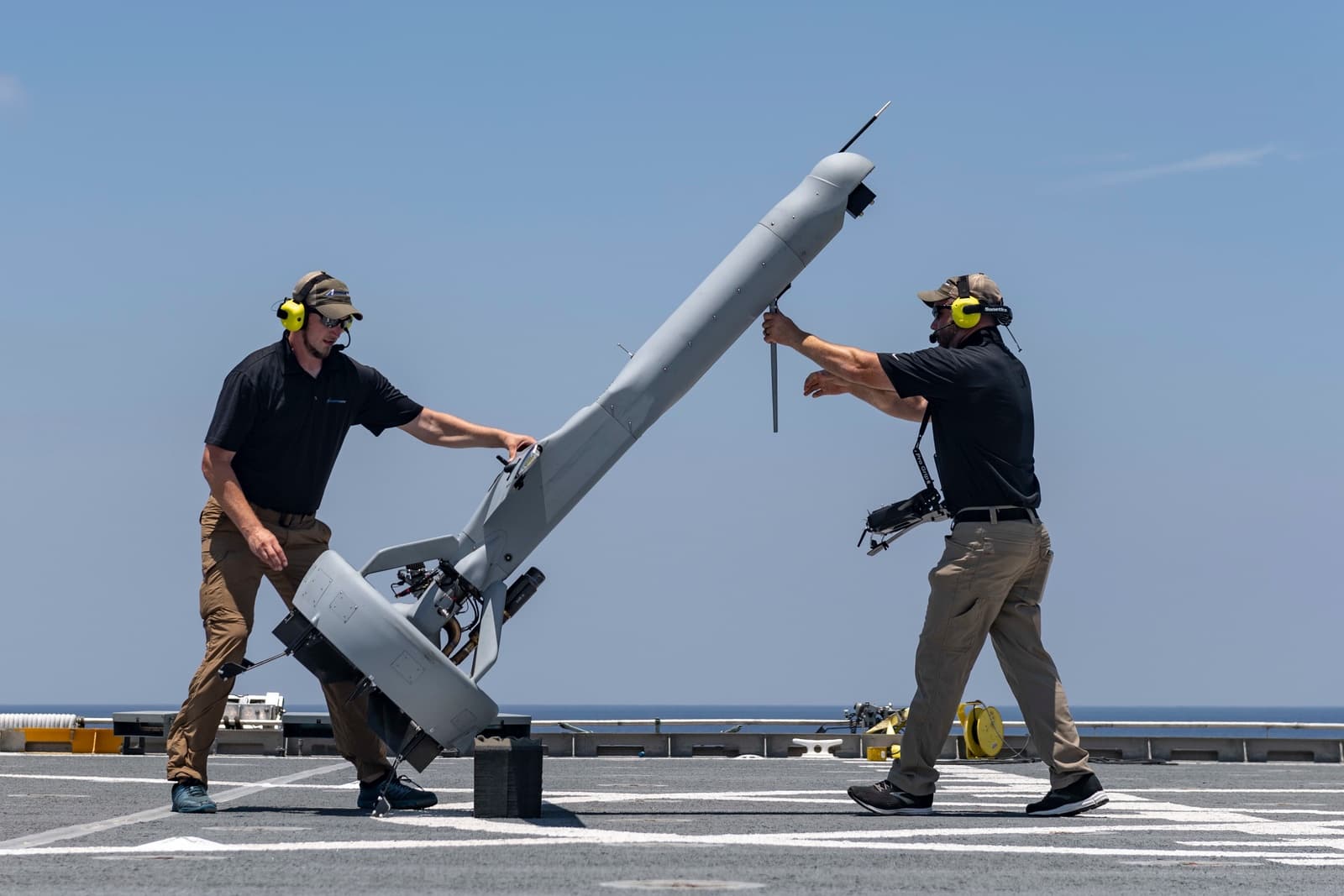
Shield AI to Buy Radar Maker Echodyne in $5.3 Billion Bet on Counter-Drone Warfare

Britain Leads European Push for Long-Range Strike Weapons

U.S. Air Force Moves FQ-42 and FQ-44 Combat Drones Into Production
