Land2 min read
Britain and Germany Rush Air Defense to Ukraine: 1,000 Missiles, Patriots and IRIS-T for NASAMS
Britain has pledged a £240 million package of more than 1,000 short-range air defense missiles and over a dozen radars for Ukraine, while Germany is putting $300 million toward Patriot interceptors. Berlin is also preparing to fit IRIS-T missiles to Ukraine's NASAMS launchers.
Winter is when Russia goes after Ukraine's power grid, and Kyiv's allies are trying to get ahead of it. At the 37th meeting of the Ukraine Defense Contact Group at NATO headquarters in Brussels on Tuesday, Britain and Germany announced new air defense packages aimed squarely at the drones and missiles Russia uses against cities and power plants.
"In Ukraine, President Putin uses winter as a weapon," British Defence Secretary Wes Streeting said. He co-chaired the meeting with German Defense Minister Boris Pistorius.
Britain: 1,000 missiles for the drone fight
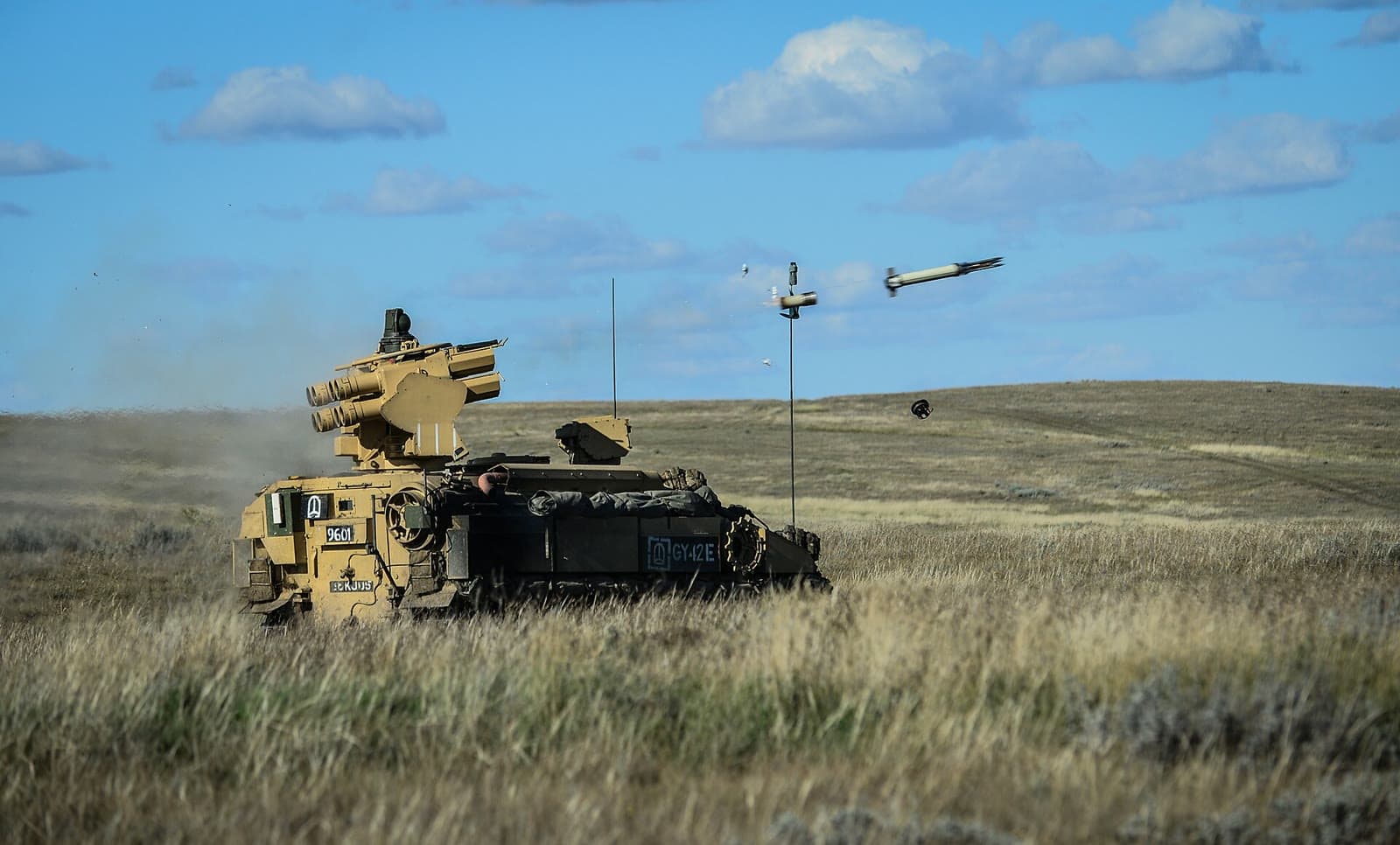
Britain's Ministry of Defence announced a £240 million ($316 million) package of more than 1,000 short-range air defense missiles and launchers, built by Thales in Belfast, plus more than a dozen air defense radars sourced from Britain and Europe. Deliveries begin in mid-December, on top of 400 surface-to-air missiles already sent ahead of the winter.
The launchers are Thales RapidRangers: light, highly automated mounts that fit on wheeled or tracked vehicles and fire Starstreak and the Lightweight Multirole Missile, also known as Martlet. Ukraine received its first RapidRangers earlier this year and uses them with mobile fire groups that hunt drones and low-flying cruise missiles. The system can detect targets beyond 15 km and engage them at more than 7 km. The ministry said they have proven effective against Russia's new jet-powered Shahed drones, which are faster and harder for machine-gun teams to catch than the older propeller versions.
Germany: Patriots through PURL, and IRIS-T for NASAMS
Pistorius said Germany will put $300 million into another package under the Prioritized Ukraine Requirements List (PURL), the NATO mechanism through which European allies pay for American weapons sent to Kyiv, with Norway funding the rest. "This is the fifth package in which Germany is participating," he said.
The focus is PAC-2 and PAC-3 interceptors for Ukraine's Patriot batteries, the only systems Kyiv has that can reliably stop Russian ballistic missiles. Ukraine's Defense Ministry says about 95% of the Patriot interceptors it receives now come through PURL.

Ukrainian air defenders reload an IRIS-T SLM launcher, October 2024. Germany now plans to make IRIS-T missiles fire from Ukraine's NASAMS launchers as well. File photo.
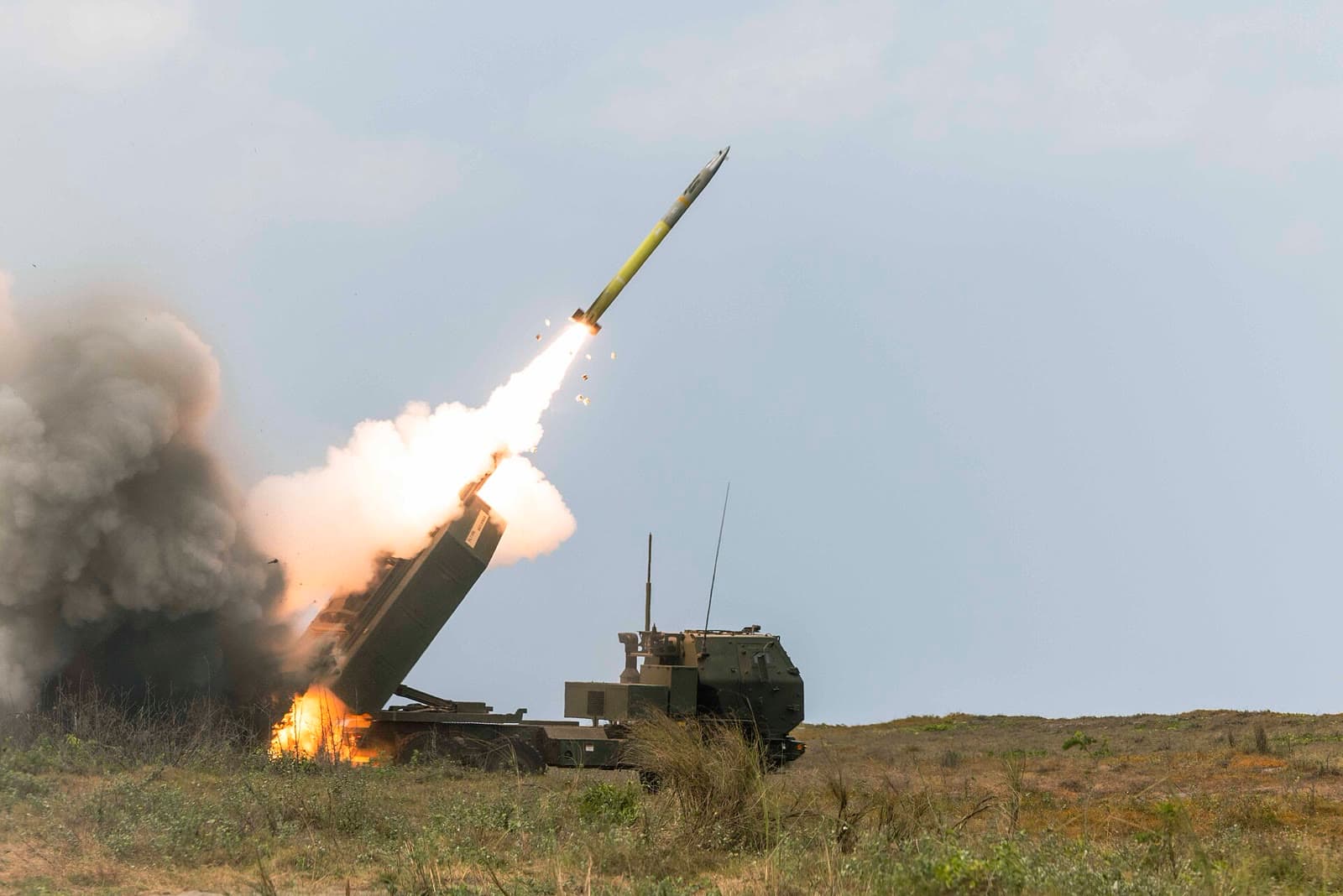
The more interesting announcement may be the quieter one. Pistorius said Germany is preparing to integrate IRIS-T missiles into the NASAMS systems Norway has supplied to Ukraine, and that work is already underway. NASAMS, which guards Kyiv and other cities against cruise missiles and drones, normally fires American AMRAAMs. Loading German IRIS-T rounds would give Ukrainian crews a second, European source of ammunition for the same launchers. No timeline was given. Germany will also send more radars, F-16 ammunition and drones.
Why it matters
Ukraine's air defense problem is less about launchers than about missiles: every interceptor fired has to be replaced, and production is limited. The British package goes after the cheapest, most numerous threat with relatively cheap weapons, saving Patriots for ballistic missiles. The German IRIS-T move attacks the supply problem directly by making one launcher accept two families of missiles. British Prime Minister Andy Burnham is expected to set out the rest of Britain's £500 million winter support at a meeting of the "coalition of the willing" on Thursday.