Navy3 min read
Japan Warns Arms Makers of Order Cuts of Up to 80% as Tokyo Trims Its Next Five-Year Buildup
Japan's Defense Ministry has warned some prime contractors that orders from fiscal 2027 could fall by as much as 80% against its own budget request, Jiji and Kyodo report. The cuts reflect a government push to hold the next five-year buildup to 50-60 trillion yen, well below the 70-80 trillion yen the ministry wanted.
By Michael Korten ·
Japan's Defense Ministry has told some of its biggest suppliers to expect orders as much as 80% smaller than the amounts in its own budget request for the fiscal year that starts in April 2027, Jiji Press reported on 25 November, citing informed sources. It is the clearest sign yet that the next five-year buildup plan, due when Tokyo revises its three core security documents by the end of this year, will be far smaller than the ministry wanted.
According to Jiji, the ministry passed on the warning in the first week of November and told companies to rework their production plans around smaller allocations. Kyodo News, which first reported the move on 18 November, said prime contractors were each given an individual estimate. Some were told their orders would be halved; others were told to expect cuts of 50% to 80%, across both equipment and facility-maintenance budget lines. Firms that had already expanded production capacity were among them.
The industry reaction was sharp. Kyodo said companies felt they had been "left hanging", using the Japanese phrase for having the ladder kicked away after being urged to climb. The Japan Association of Defense Industry presented findings from interviews with its members to a security committee of the opposition Japan Innovation Party at the Diet this week, Jiji reported.
The gap: 80 trillion yen sought, 50-60 trillion on the table
The current Defense Buildup Program, adopted in December 2022, set spending for fiscal 2023-27 at about 43 trillion yen. For fiscal 2027-31, the ministry calculated that the equipment and force structure it considers necessary would cost 70 to 80 trillion yen, according to Kyodo. Reuters reported on 13 November that Finance Ministry officials had proposed 50 to 60 trillion yen instead. Kyodo says the government is now leaning toward the low end of that range, partly because of planned consumption-tax cuts.
Even 50 trillion yen would be about 16% more than the current plan in nominal terms. The problem is that contractors invested against the ministry's much larger figure. A total in the low 50 trillions would be between a quarter and a third below the ministry's own estimate, and most of that squeeze falls on new procurement. Personnel, fuel, maintenance and payments on contracts already signed under the current plan are hard to cut. That arithmetic is why individual order books can shrink far more than the headline budget gap suggests.
Which programmes are exposed
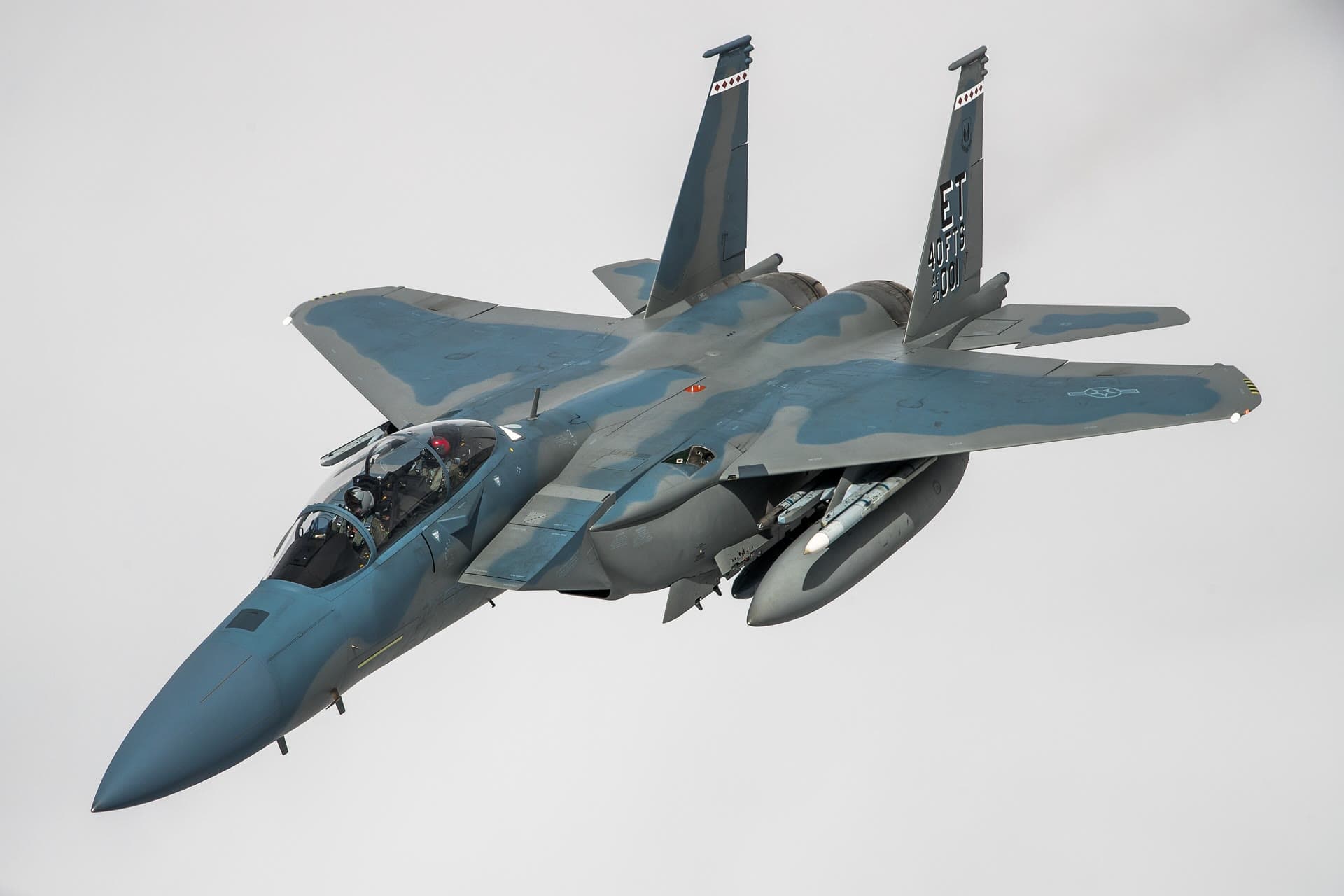
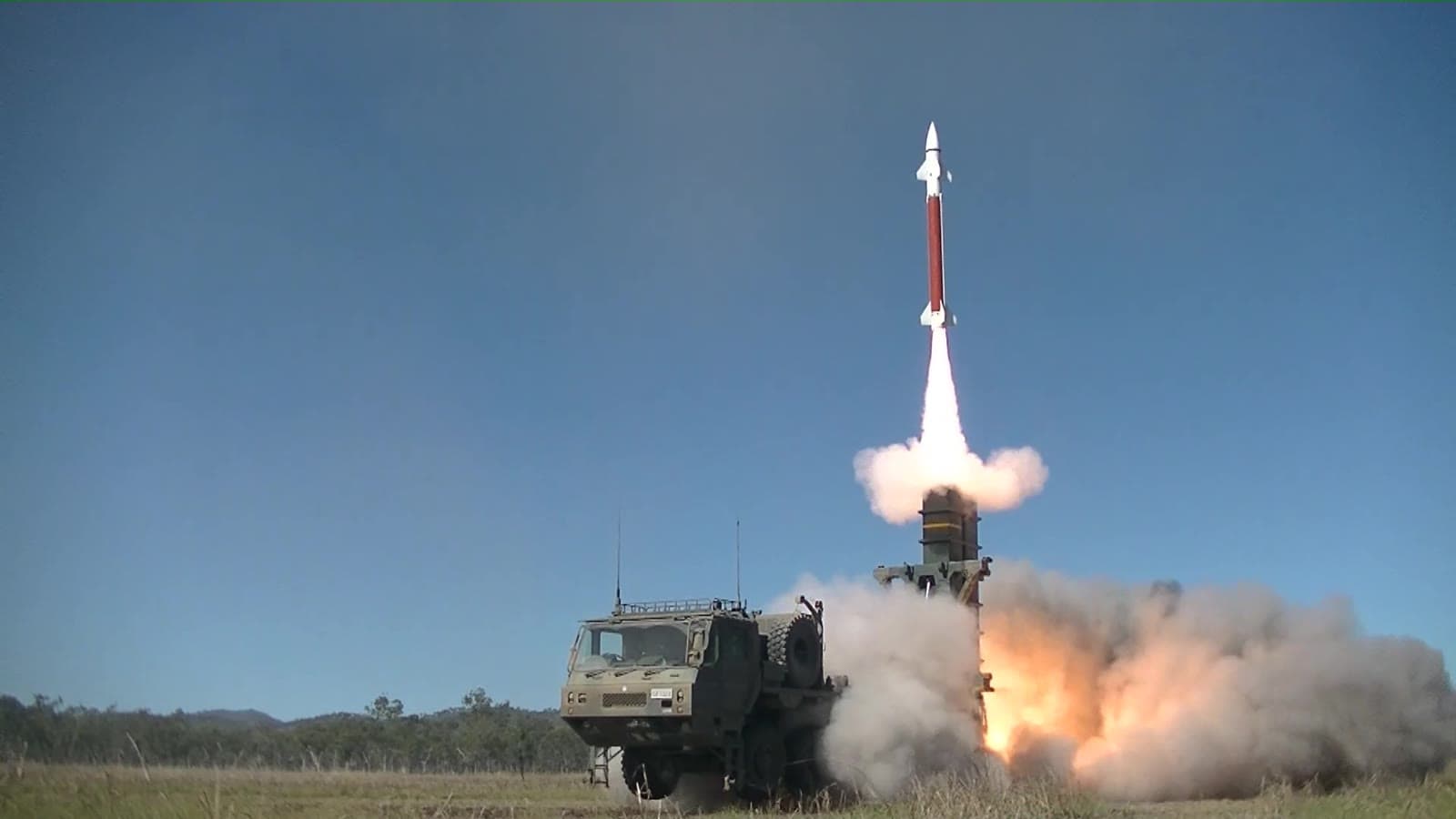
No official list has been published, and the Defense Ministry said after the Reuters report that no decision had been made on the size of the next plan. Reuters' sources said planned purchases of some missiles and aircraft could be cut by half, possibly including the F-35, while unmanned systems were expected to be largely spared. Nikkei has reported that missile and warship purchases are among those affected.

Japan is one of the largest F-35 customers outside the United States, with 147 jets planned: 105 F-35As and 42 short take-off F-35Bs. Its other big-ticket items for the coming years include upgraded Type 12 stand-off missiles, Tomahawk cruise missiles bought from the US, two large Aegis System Equipped Vessels for missile defence, and the GCAP sixth-generation fighter it is developing with Britain and Italy. Which of these lines are slowed will show what Tokyo treats as essential.
Why it matters
The 2022 strategy was meant to turn Japan's defence industry from a shrinking, low-margin business into a growth sector. Tokyo raised the profit margins it allows on defence contracts to as much as 15%, passed a 2023 law to keep suppliers in the business, and pushed companies such as Mitsubishi Heavy Industries, Kawasaki Heavy Industries and Mitsubishi Electric to expand missile and shipbuilding lines.
A sudden reversal tests that bargain. Suppliers that added capacity on the ministry's signals now face idle lines, and smaller second-tier firms, the ones the 2023 law was written to protect, have the least cushion. The final numbers will come with the revised National Security Strategy, National Defense Strategy and buildup program expected by late December. Until then, the 80% figure is a warning to some contractors, not a budget line, but it shows that Japan's buildup is now competing with tax cuts for money.