Japan Weighs Paying Over ¥300 Billion a Year to Host US Forces, but Washington Wants Triple
Tokyo is considering raising its annual payment for US forces in Japan from about ¥211 billion to more than ¥300 billion under a new five-year deal from 2027. Washington is reportedly asking for roughly three times the current amount.
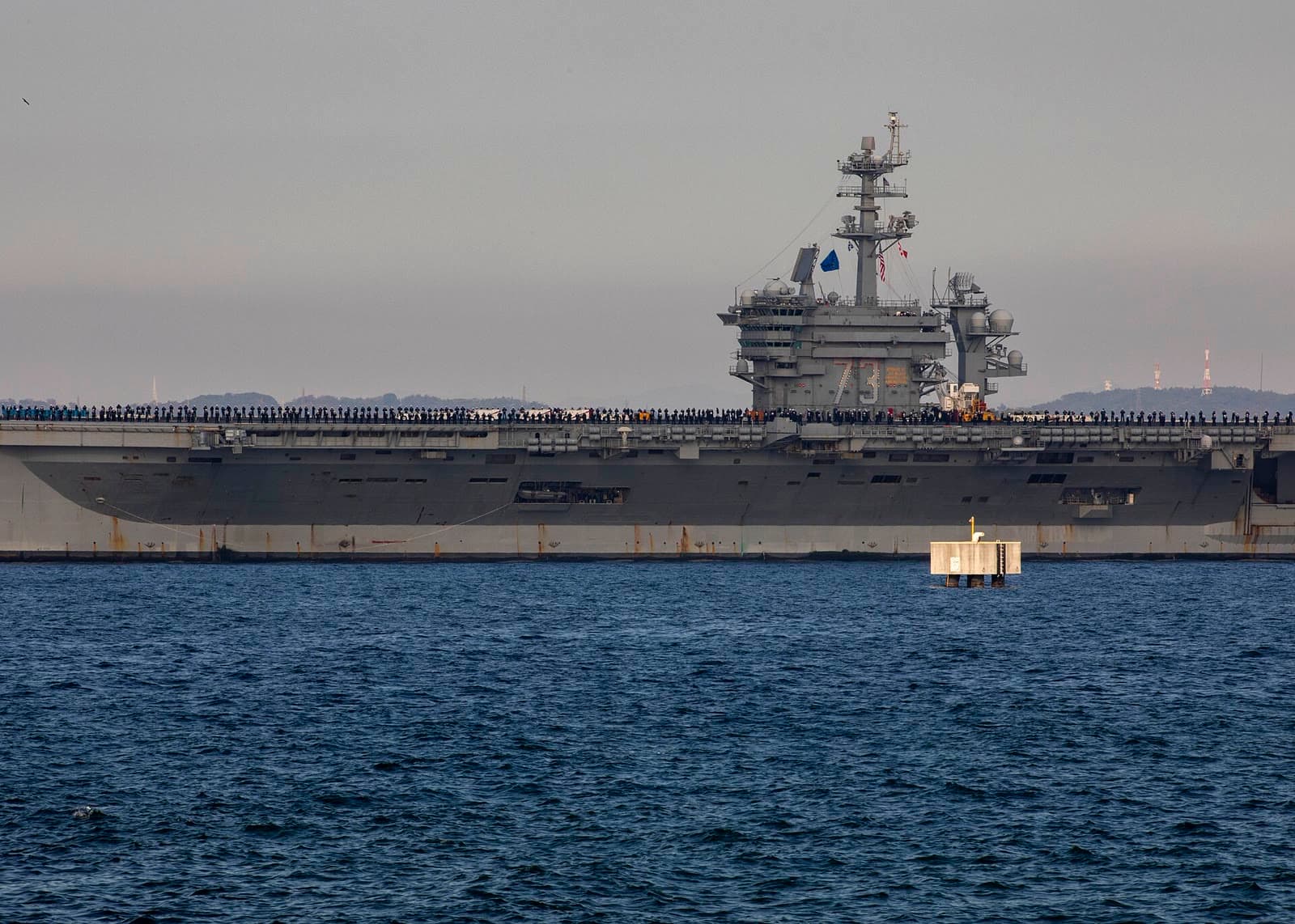
Japan is preparing to pay a good deal more to keep American forces on its soil. The government is considering raising its annual contribution for US troops in Japan to more than ¥300 billion, about $1.9 billion, under a new five-year agreement that would start in fiscal 2027, according to Japanese media reports citing government sources.
That would be a jump of more than 40 percent on the roughly ¥211 billion Tokyo pays each year now. It is still far short of what Washington wants. US negotiators are reportedly asking Japan to roughly triple its current contribution.
What the money pays for
The payments, known in Japan as host-nation support and long nicknamed the "sympathy budget," are set by a Special Measures Agreement renewed every five years. The current deal, signed in 2022, commits Japan to about ¥1.055 trillion between fiscal 2022 and 2026, or an average of around ¥211 billion a year. It expires at the end of March 2027.
The money covers the wages of the Japanese civilians who work on US bases, utilities, the cost of moving training away from populated areas and construction under the Facilities Improvement Program, which pays for things such as housing and hangars. Japan also funds US base realignment, including the Marine Corps move from Okinawa to Guam, through separate budget lines, so the total cost to Tokyo of the alliance is much higher than the headline figure.

An F-15EX Eagle II takes off from Kadena Air Base, Okinawa, in July 2026.
Officials from both countries have been negotiating a replacement since July and aim to settle it by the end of the year. Beyond the headline number, Tokyo is weighing higher labor costs for Japanese base workers and money for underground or hardened facilities that would limit the damage if US bases in Japan came under missile attack. It is also considering a substantial increase in Facilities Improvement Program spending.
Why the gap matters
Japan hosts the largest concentration of US forces outside the United States, roughly 55,000 personnel, including the 7th Fleet carrier group at Yokosuka, Air Force fighter wings at Kadena and Misawa and the III Marine Expeditionary Force on Okinawa. Those forces are central to any American response to a crisis over Taiwan or on the Korean Peninsula, which gives Washington leverage, but also gives Tokyo a case that it is already paying for its own security.
Japan is in the middle of a five-year buildup worth about ¥43 trillion that is roughly doubling its defense spending, buying long-range missiles and hardening its own bases. Tokyo's argument in the talks is likely to be that money spent on its own forces strengthens the alliance as much as a bigger cheque for US bases. Washington's argument is simpler: allies should carry more of the bill.
A rise to ¥300 billion would be the biggest increase in host-nation support in decades. If the US holds out for something close to triple, the year-end deadline will be hard to meet, and the issue could spill into the wider negotiations over trade and tariffs between the two allies.
Sources
The Militrax Weekly
The week's defense news, in one email.
Deals, deliveries and new weapons from every theater, explained. Every Sunday, free, no spam.
Read Next
UK Minister Takes the Helm of STARK's Vanta 12, a Drone Boat Armed With Sea Venom Missiles
Euronaval 2026: Saab's Bigger CB90 CX Drops the Troops, and a Swarming Drone Boat Gets a KNDS Warhead
Royal Navy's New Autonomous Squadron Will Start by Guarding Britain's Coast
GEZGİN: Where Türkiye's Tomahawk-Class Cruise Missile Stands as Roketsan Readies Production
Britain Joins Norway's Ship Programme, Buying Three Motherships for Its Drone Minehunters