Land2 min read
US Army Seeks Urgent Concrete Bunkers for Troops in Israel, Saudi Arabia and Lebanon
The US Army wants 17 precast concrete bunkers built within 45 days to replace container shelters at sites in Israel, Saudi Arabia and Lebanon. The push follows Iranian missile and drone strikes that killed at least 23 US personnel.
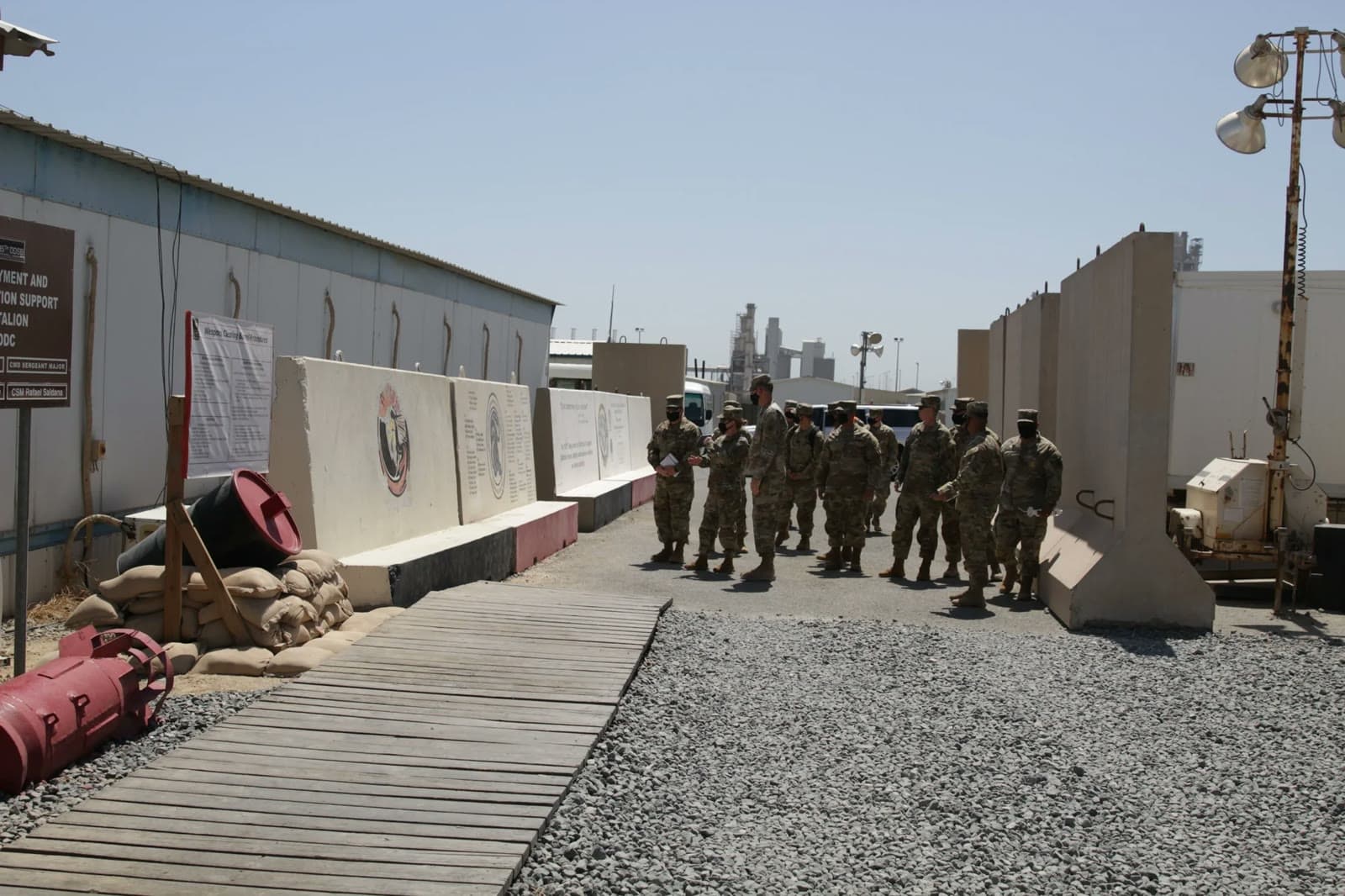
The US Army wants concrete over its soldiers' heads, and it wants it fast. An Army notice posted on Friday asks construction firms to build 17 bunkers able to survive indirect fire from missiles and drones: ten in Israel, five in Saudi Arabia and two in Lebanon.
The bunkers will replace personnel shelters made from converted shipping containers. "Due to elevated regional force protection conditions, there is an urgent, high-priority requirement to replace nonstandard personnel protection shelters," the Sources Sought notice says. The goal is "to safeguard U.S. and coalition service members operating in potentially hostile environments" across Central Command's area.
45 days, three-day quotes
The urgency is written into the schedule. The work must be finished within 45 days of the task order, and the formal solicitation is expected to give bidders just three days to quote. "Due to extreme operational urgency (soldiers currently at risk using non-standard containerized shelters)," the notice explains. Companies have until November 25 to respond, and must say whether they can work in all three countries or only some.
The designs are simple and standardized rather than elaborate fortifications. Each bunker is three sections of precast reinforced concrete with steel doors and concrete Alaska barriers shielding the entrances. Sandbags will protect the outer walls, with at least 18 inches of sandbag cover on the roof. The notice mentions five primary sites: one in Israel and two each in Saudi Arabia and Lebanon. Exact bases will be shared only with eligible contractors.
The lesson of 2026
The project follows Iranian missile and drone attacks that hit several American bases in the Gulf and killed at least 23 US personnel, including six service members in a March 2026 strike on an Army command post at the Port of Shuaiba in Kuwait. Later reports said that site was poorly protected against attack from the air.
Why it matters
For two decades, US bases in the region were built for rocket and mortar fire from militias, and a container shelter with sandbags was often thought good enough. Iran's precision missiles and one-way attack drones have changed that calculation. Air defense cannot stop everything, so passive protection, hardened shelters, dispersal and concrete, is coming back into fashion across the US military, from the Pacific to the Middle East. Seventeen bunkers is a small, quick fix. The bigger question is whether the Pentagon will pay to harden its bases on a much larger scale.