Land2 min read
Pakistan Test-Fires Fatah-3 Supersonic Cruise Missile, Its Third Fatah Launch in Six Weeks
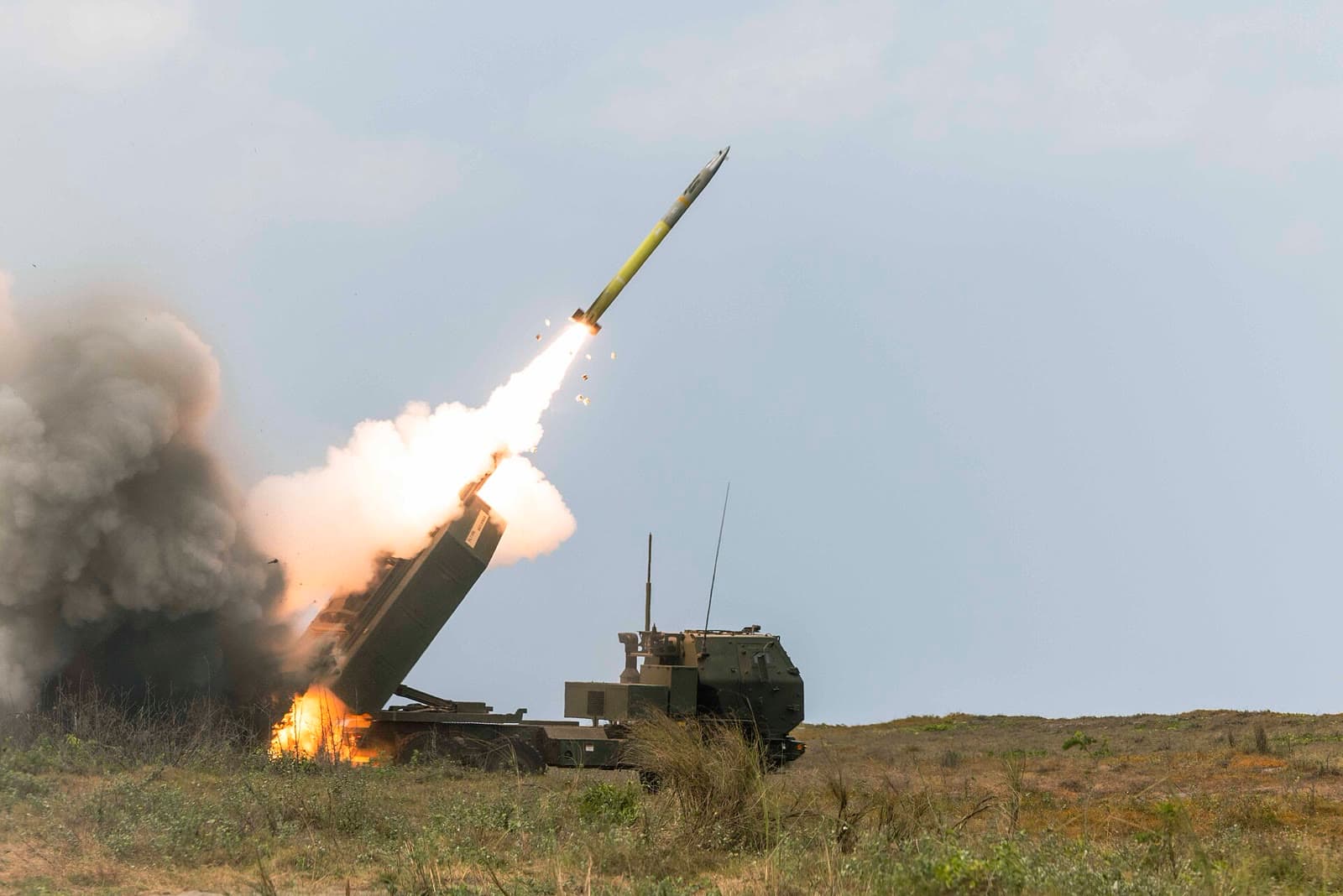
Pakistan's army test-fired the Fatah-3 supersonic cruise missile on November 18, the third Fatah-family launch in about six weeks. The ramjet-powered missile, revealed in May, closely resembles China's HD-1.
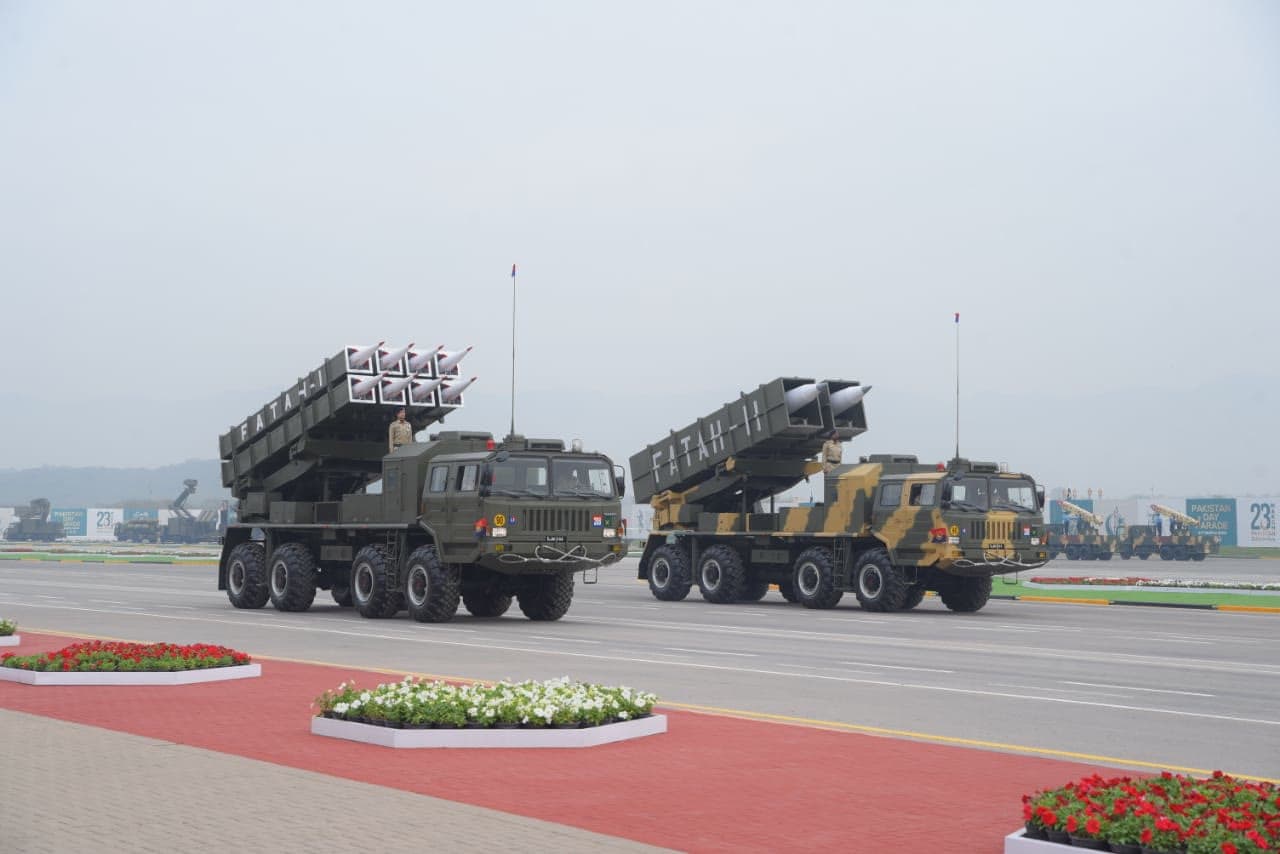
Pakistan's army test-fired its Fatah-3 supersonic cruise missile on Wednesday, November 18, the military's media wing said. It was the third launch of a Fatah-family weapon in about six weeks.
Inter-Services Public Relations (ISPR) called the test "another significant milestone in strengthening Pakistan's national defence capabilities," saying the missile "is capable of engaging targets at long range with high precision and lethality at supersonic speed." It did not give the range, speed or test location. The commander of the Army Rocket Force Command watched the launch with senior officers, scientists and engineers.
A Chinese look
Pakistan first showed the Fatah-3 in May, in an ISPR video that revealed a ramjet-powered missile leaving a road-mobile launcher. The Pakistani defense site Quwa noted that it closely resembles the HD-1, a supersonic land-attack and anti-ship missile made by China's Guangdong Hongda Blasting, with the same four side-mounted ramjet intakes and a solid rocket booster.
A ramjet is what makes the difference. A rocket-powered missile slows down once its motor burns out; a ramjet keeps breathing air and burning fuel, so the missile stays supersonic for most of its flight. That shrinks the time air defenses have to detect and engage it.
A fast-growing family
The Fatah-3 fills a gap in a quickly expanding line-up:
- Fatah-1, a guided rocket with a range of about 140 km.
- Fatah-2, now upgraded to a missile, with about 400 km.
- Fatah-4, a subsonic ground-launched cruise missile with 750 km, tested in an extended-range version on October 6; analysts estimate more than 1,000 km.
An extended-range Fatah-2 was tested on October 13.
Why it matters
All of these weapons belong to the Army Rocket Force Command, the conventional missile force Pakistan created in August 2025, months after its May 2025 clash with India. The idea is to give Pakistan non-nuclear options to strike deep with missiles instead of aircraft, at a time when India keeps expanding its own conventional missile arsenal, from BrahMos to the Pralay. A supersonic, ramjet-powered cruise missile adds a weapon that is harder to intercept than the subsonic Fatah-4, and the pace of testing suggests Rawalpindi wants the whole family in service quickly.