UAV2 min read
US Army Robot Vehicle Launches Drone Swarm in Autonomous Live-Fire Strike in Germany
In a live-fire demonstration at Grafenwoehr, an R3NEGADE unmanned ground vehicle launched drones that struck a target autonomously after another drone marked it with smoke. Paratroopers of the 173rd Airborne also hit a target with an FPV drone.
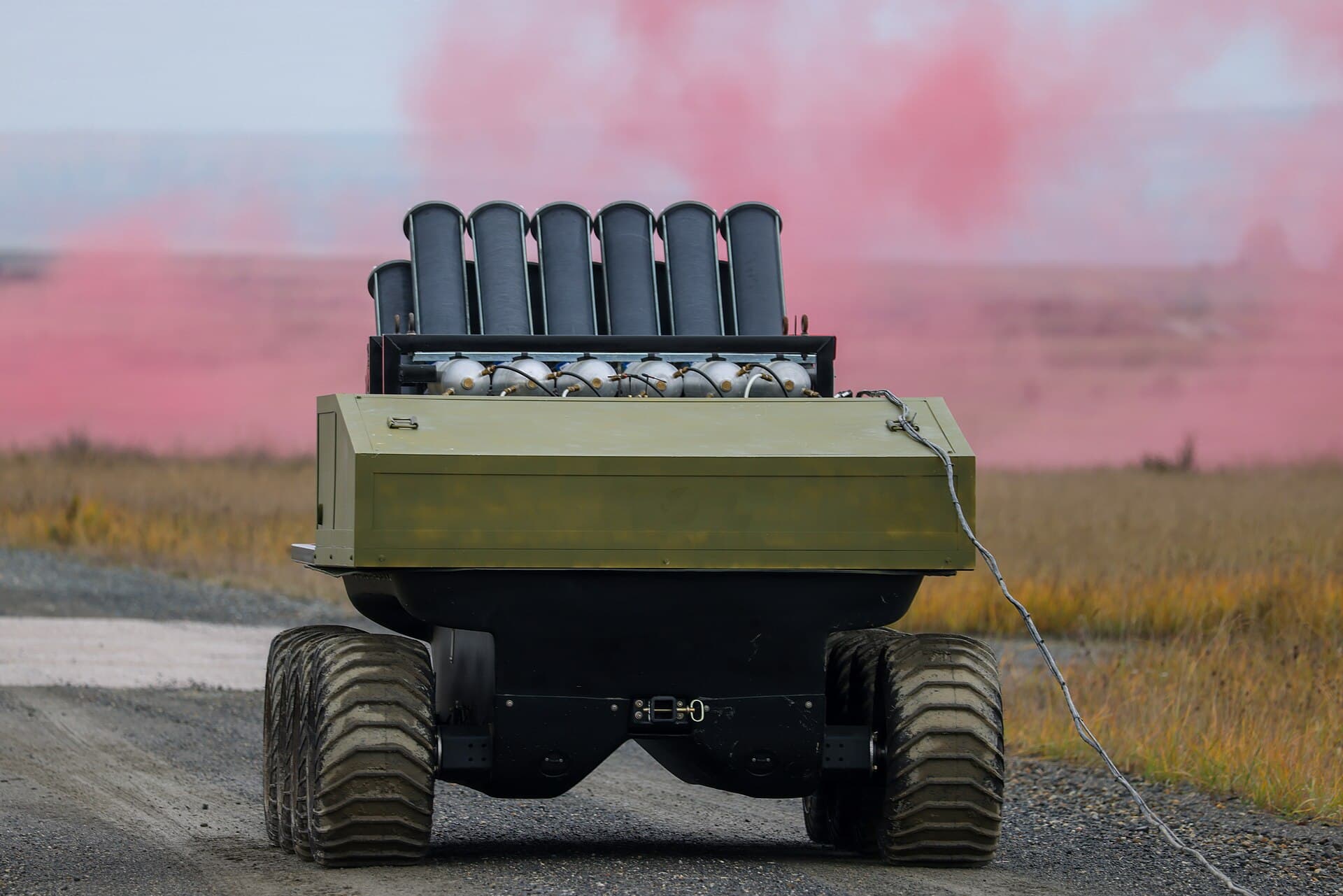
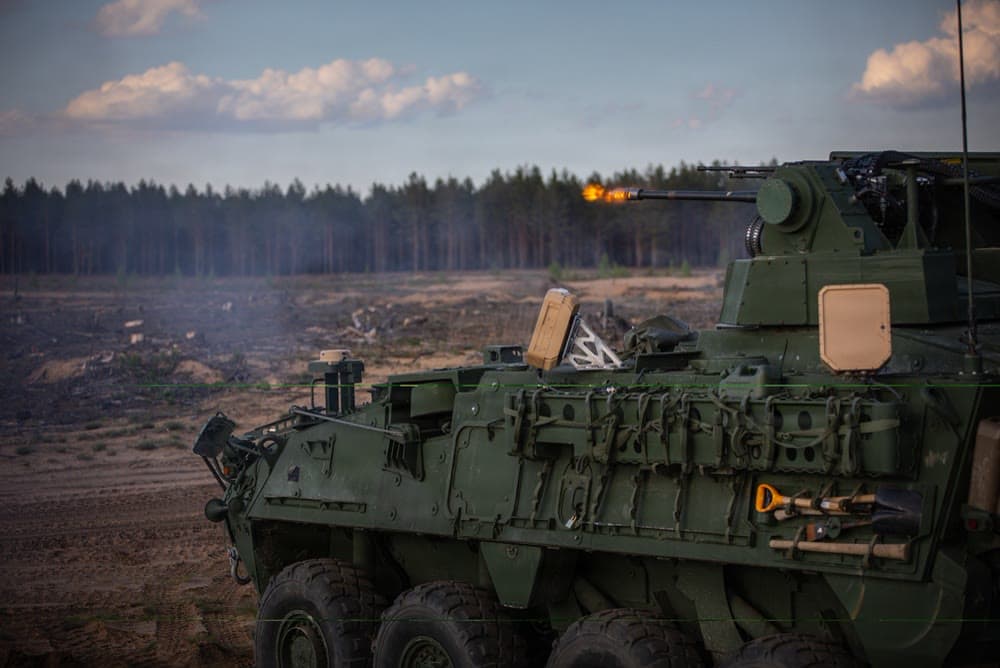
The US Army has used a robot vehicle to launch drones that found and struck a target on their own. In a live-fire demonstration at Grafenwoehr Training Area in Germany on November 12, a TRV-150 drone marked a target with smoke before an HIV3 launcher mounted on an R3NEGADE unmanned ground vehicle sent up a swarm of small drones that carried out an autonomous strike.
Paratroopers from the 173rd Airborne Brigade then hit a separate target with a first-person-view (FPV) drone, flying it by video from its onboard camera. A second R3NEGADE carried a Javelin anti-tank missile on a remotely operated weapon station.
Cheap, containerised firepower
The demonstration was run by the Army's Combat Capabilities Development Command (DEVCOM) Armaments Center with US Army Europe and Africa and the 7th Army Training Command. "We need scalable, cheap, affordable, lethal options for our warfighters," said Troy Brannon, the center's strategic adviser who led the event.
The Army also showed a TRV-400 drone fitted with the developmental FIR3FLY anti-armor payload, part of a concept to store drones in shipping containers and deploy them remotely. "The purpose of this effort is to place modular air and ground platforms inside containerized systems so commanders can pre-position capabilities and deploy unmanned assets where they are needed," said program manager Alex Tomosieski.

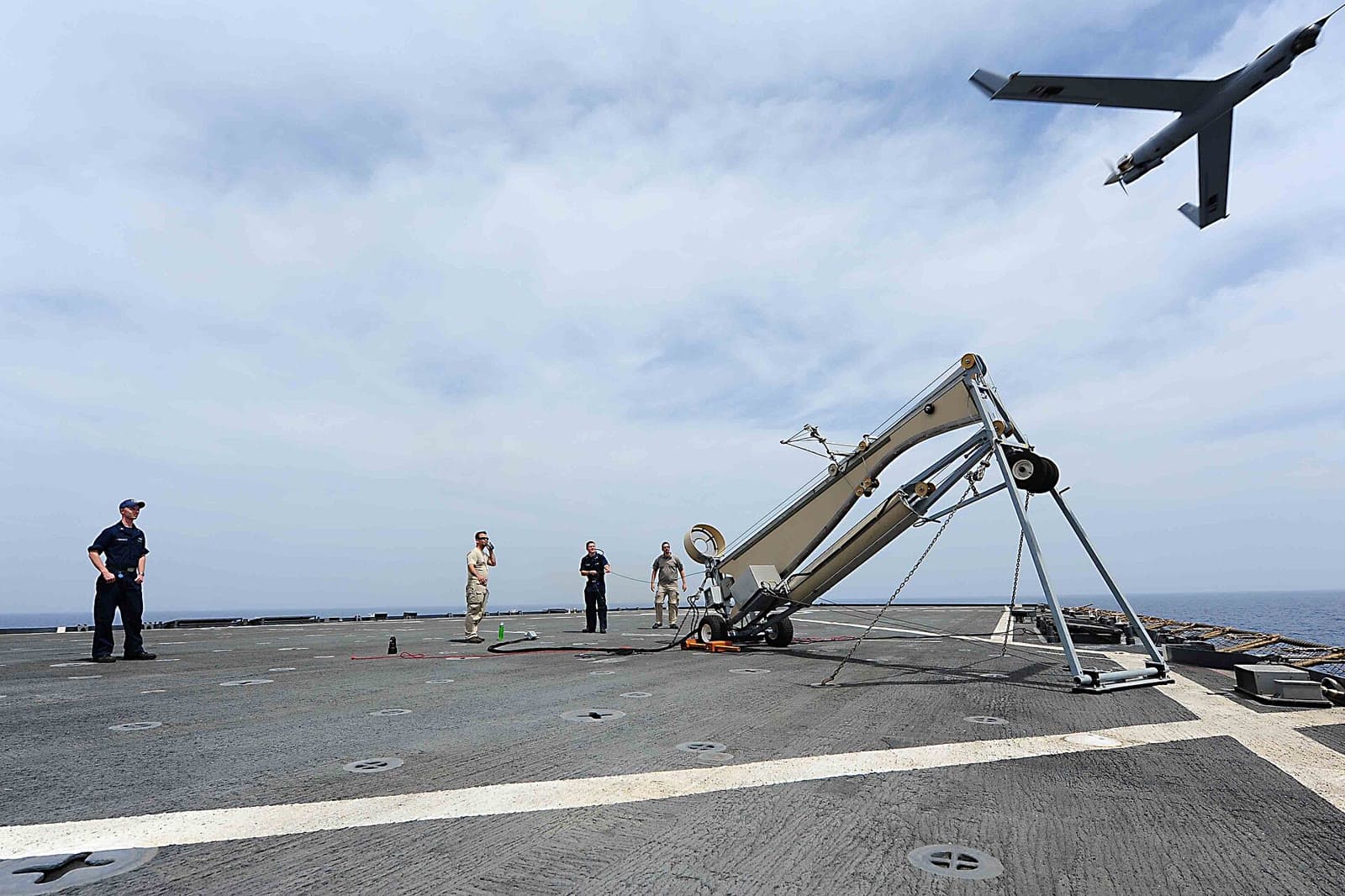
A TRV-150 drone carrying a smoke payload flies during the DEVCOM live-fire demonstration at Grafenwoehr Training Area, Germany.
Lessons from Ukraine
The Army is testing whether commercial drones paired with weapons it already owns can be made cheap enough to give every unit long-range strike without putting soldiers in the line of fire. The idea comes straight from the war in Ukraine, where both sides now use FPV drones and robotic ground vehicles for strikes, supply and casualty evacuation, and where the cost of a drone is often a tiny fraction of the vehicle it destroys.
"Engineers can develop the technology, but we need Soldiers involved from the beginning to make sure it works for them," said Command Sgt. Maj. Thinh Huynh of DEVCOM.
Why it matters
A ground robot that carries and launches its own swarm turns a small team into a long-range strike element and keeps the launcher, the most exposed part of the system, away from the crew. It also fits the Army's wider push to put drones in every formation and to buy them in large numbers, like ammunition. The open questions are electronic warfare, since cheap drones are easy to jam, and how much autonomy commanders will trust when the target is chosen without a human flying the final approach.