Air1 min read
US Air Force Adopts "Force Design 2026", Shifting Its Bets to Sensors, Networks and Autonomy
The US Air Force has replaced its 2024 One Force Design with a classified Force Design 2026. Chief of Staff Gen. Ken Wilsbach calls it a fundamental shift toward sensors, networks, AI and autonomous aircraft.
The US Air Force has rewritten the blueprint for what it will buy and how it will fight. The service announced a new Force Design 2026, replacing the "One Force Design" signed by then-Chief of Staff Gen. David Allvin in October 2024.
The document is classified, so the details are not public. But the Air Force's own description points in one direction. Chief of Staff Gen. Ken Wilsbach said it "presents a fundamental shift" in the service's approach, and Lt. Gen. Chris Niemi, the chief modernisation officer, warned that "new technologies are enabling fantastic capabilities that were unimaginable just a few years ago, but those same technologies threaten some of the ways we have historically generated airpower."
What changes
According to the Air Force, the future force will integrate autonomy, sensors and command and control with aircraft to "generate effects", with a stress on operating together in contested, denied environments. Where the 2024 design focused heavily on sorting threats such as enemy drones by range, the 2026 version puts more weight on sensors, networks and software that find and target the enemy first.

A YFQ-44A collaborative combat aircraft fires an AIM-120 missile during testing. File photo.
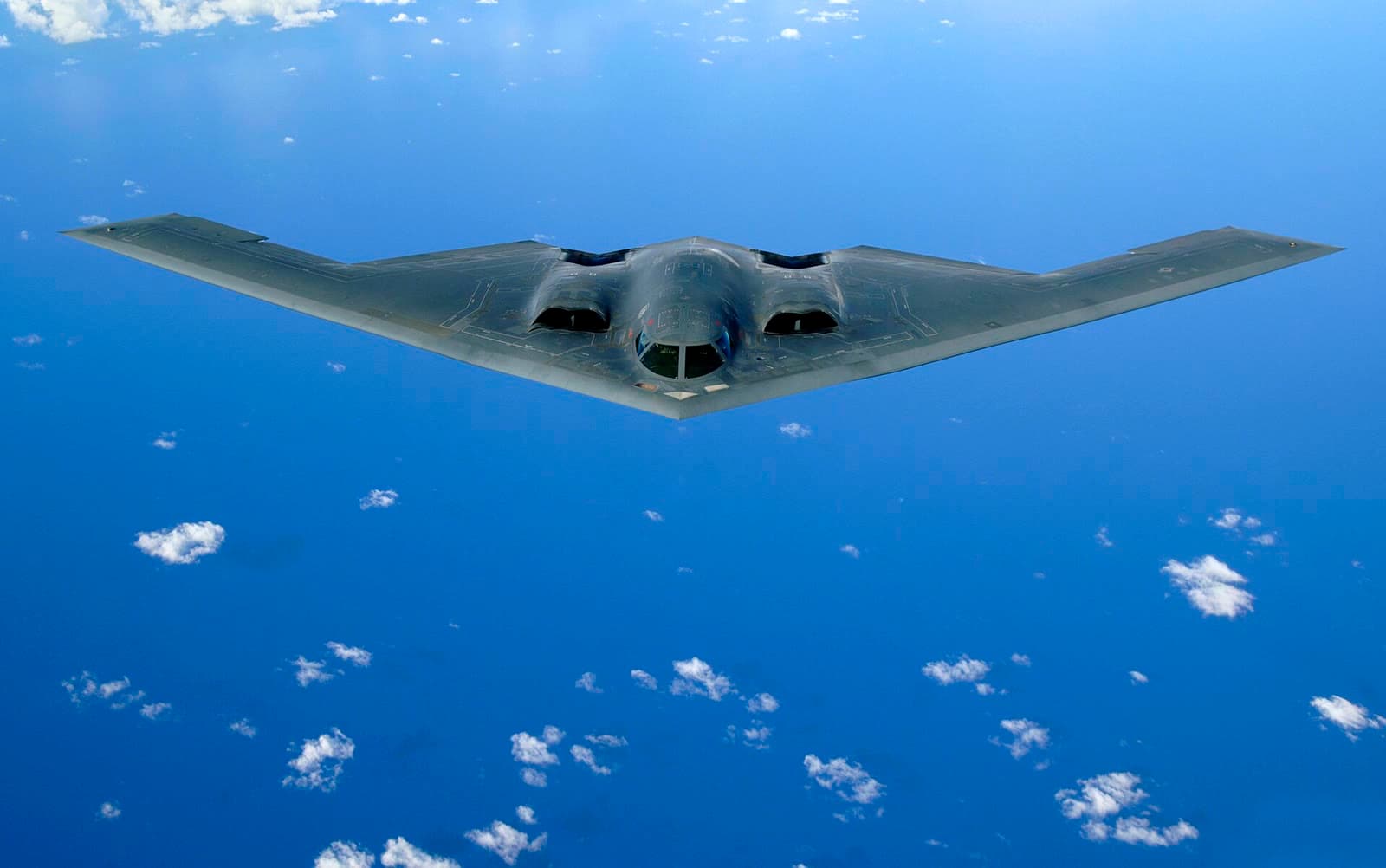
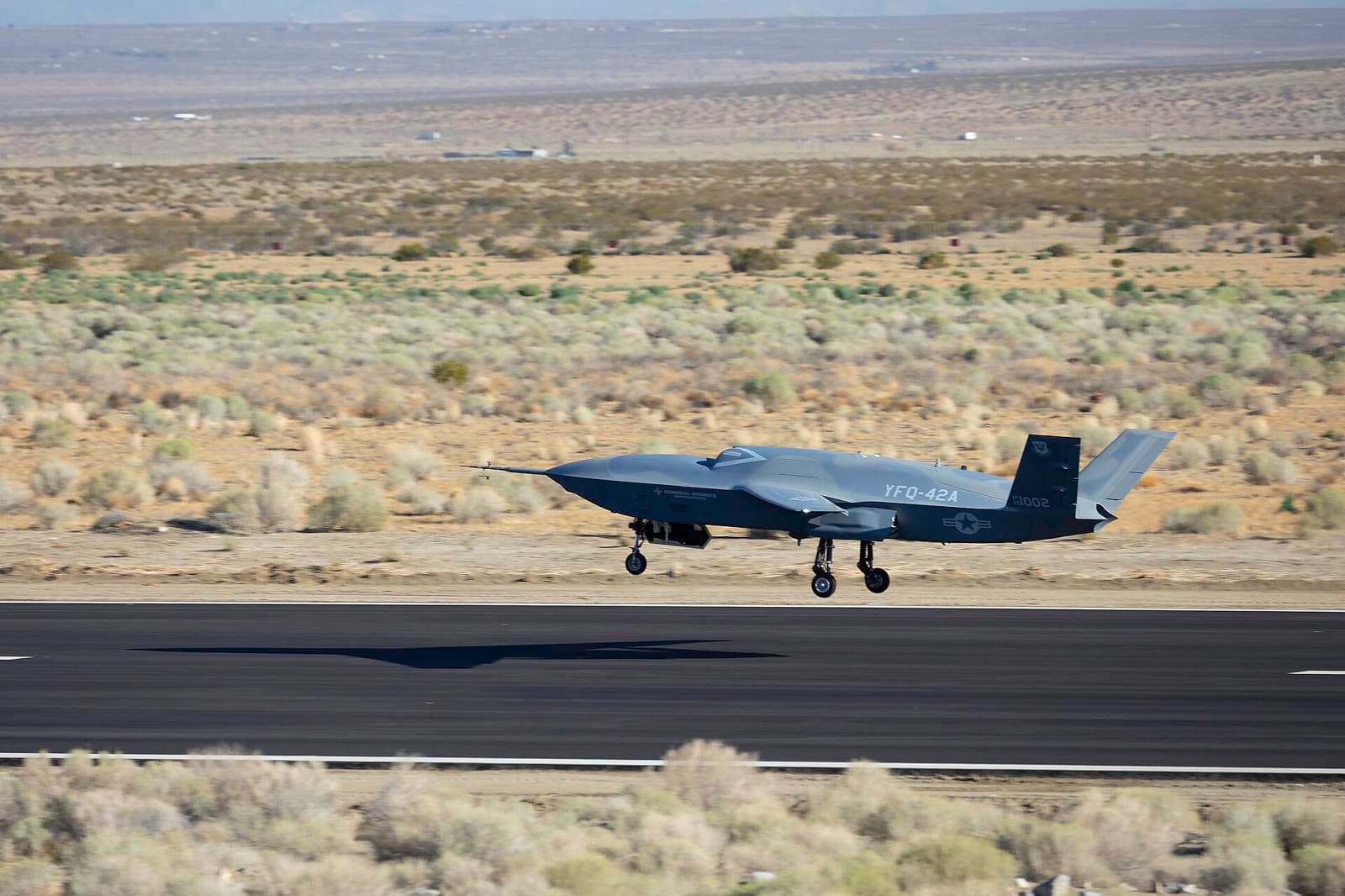
That matches the programmes already under way. The YFQ-42A and YFQ-44A collaborative combat aircraft are flying, with production decisions next. The F-47 sixth-generation fighter is in development, and the B-21 bomber dropped its first weapon this week. The Air Force also launched a new AI strategy across 15 mission areas earlier this month.
Why it matters
A force design is the document that budget planners use to decide what survives and what gets cut. Shifting it toward autonomy and sensors means more money for drones, networks and software, and likely pressure on older crewed fleets. Because it is classified, the clearest signal of what it says will come in the Air Force's next budget request.