Air2 min read
F-47 and F/A-XX at Once: Can the US Build Two Sixth-Generation Fighters Without Stalling Both?
The US Air Force and Navy are both developing sixth-generation fighters, the F-47 and F/A-XX, while the Pentagon's top acquisition official warns of shortages of skilled workers and factory capacity. We look at what the two programs share and where they could collide.
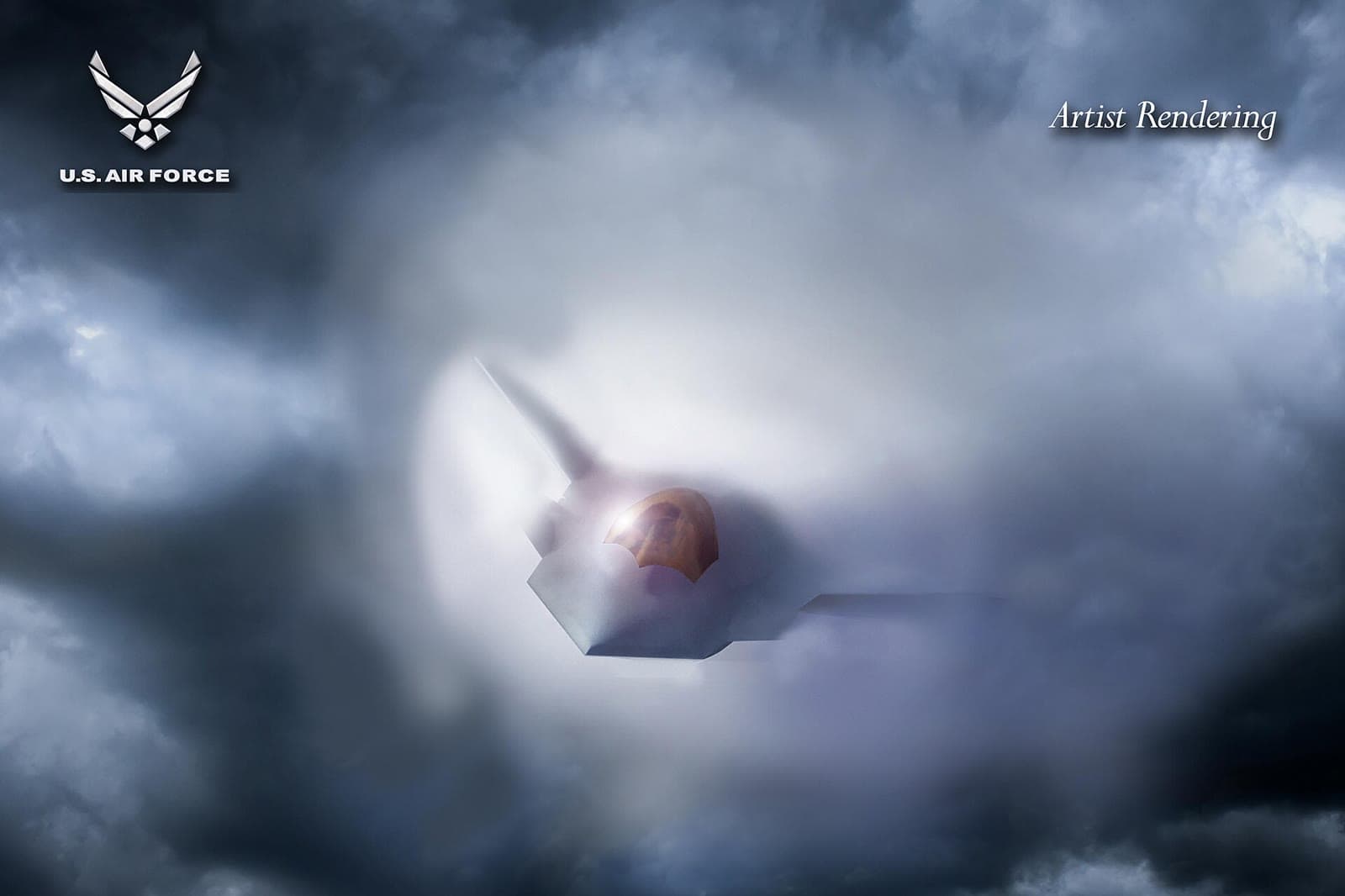
For the first time since the F-22 and F-35 overlapped in the 1990s, the United States is trying to develop two new crewed fighters at the same time. The Air Force's F-47 is in production as a prototype, aiming for a first flight in 2028. The Navy's F/A-XX, after years of hesitation, is finally funded. The question raised by critics, including a recent 19FortyFive commentary, is whether doing both at once means doing both late.
Two jets, two very different jobs
The F-47 is the crewed core of the Air Force's Next Generation Air Dominance effort: a long-range stealth fighter meant to win air superiority over the Pacific and to direct Collaborative Combat Aircraft, the uncrewed jets that will fly alongside it. Boeing started building the first one this year.
The F/A-XX replaces the F/A-18E/F Super Hornet, the backbone of carrier air wings. It needs more combat radius than today's carrier fighters, better stealth and electronic warfare, and the ability to control drones. Carrier aviation also adds demands the Air Force does not face: catapult launches, arrested landings and constant exposure to salt water. A naval fighter is heavier and structurally different even when it shares sensors and software with a land-based one.
The Pentagon initially tried to slow the F/A-XX so resources could go to the F-47 first. Congress pushed back and funded it, worried that China's own sixth-generation designs, seen flying since late 2024, had changed the timeline.

An F/A-18F Super Hornet of Strike Fighter Squadron 211 makes a catapult launch in the Atlantic. The F/A-XX is meant to replace the Super Hornet. File photo.
The real constraint is people
In September, Gen. Dale White, the Pentagon's senior acquisition official, warned that shortages of skilled workers and manufacturing capacity could complicate building both aircraft on a meaningful timeline. The same pool of stealth engineers, composite technicians, software developers and test pilots is needed for the F-35's continued production and upgrades and for the B-21 bomber. Adding two clean-sheet fighters does not create more of those people.
The Air Force argues that digital engineering and new development practices have cut the time needed to build a new aircraft. Flight testing, software certification and setting up a production line have not become much faster, and those are where programs usually slip.
Where the critics have a point, and where they do not
The concern is fair. Two programs of this size competing for the same suppliers will push up costs, and the F/A-XX in particular has no slack: Super Hornets are aging, and every year of delay is a year the carrier air wing relies on a fourth-generation jet against a modernizing Chinese navy.
But the alternative is not obviously better. Delaying the F/A-XX until the F-47 is done would guarantee the carrier gap the Navy fears. And if both programs end up sharing sensors, engines, software and subsystems, running them together can lower costs rather than raise them. The real risk is not building two fighters. It is building them in small numbers, slowly, while the workforce problem goes unsolved.