Air2 min read
Italy Says It Backs Fast German Entry Into GCAP, Denies Blocking Berlin
Italy's defense ministry has rejected a Financial Times report that it opposed giving Germany partner status in the GCAP sixth-generation fighter program. Rome says it proposed observer status only as a fast track to full membership.
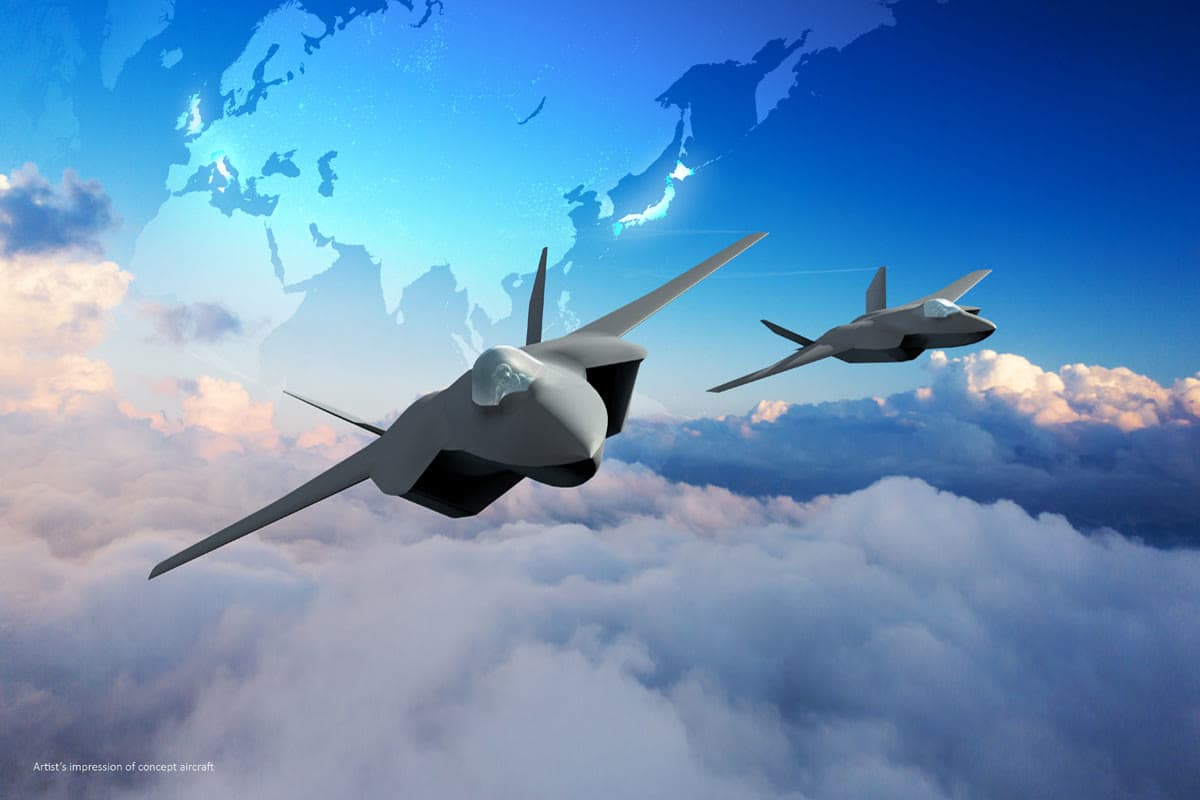
Italy has moved quickly to shut down the idea that it is standing in Germany's way on the Global Combat Air Programme. In an unusually long statement, the Italian Ministry of Defense called a Financial Times report "entirely misleading" and said it fully backs German membership of the sixth-generation fighter program it runs with the UK and Japan.
The Financial Times reported on Saturday that Defense Minister Guido Crosetto had used a video call with the other partners last week to argue against making Germany a member, pushing for observer status instead. The report quoted an Italian official saying membership could follow later.
Observer first, but as a shortcut
Rome's rebuttal does not deny the observer proposal. It reframes it. "Italy has always expressed its full willingness to welcome Germany into the program," the ministry said. "Precisely to facilitate and accelerate this process, Italy proposed that Germany joins as an observer, as an immediate, Program information-sharing enabler towards subsequent full membership."
The proposal, it added, "was not intended to limit Germany's future role," but to speed up its involvement "while safeguarding the program's progress and established timetable." Any reporting of opposition was "totally false."
Canada already holds observer status in GCAP.

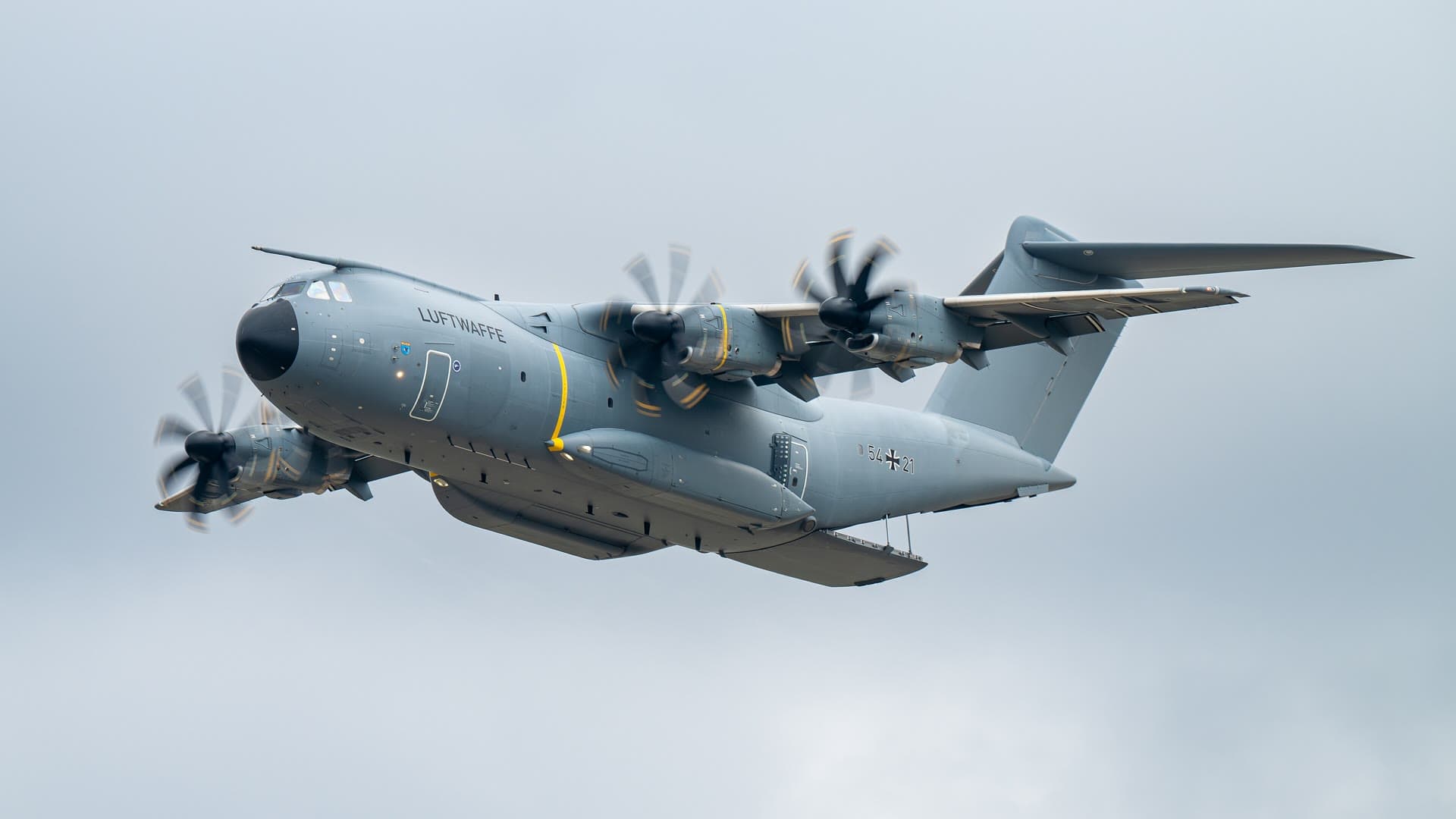
German Luftwaffe Eurofighter Typhoons of Tactical Air Wing 71 wait to refuel from a US tanker, March 2021. Germany needs a successor to the Typhoon from around 2040. File photo.
Why Germany is knocking
Germany is looking at GCAP because its own sixth-generation project is in trouble. Talks with France on the Future Combat Air System have collapsed, leaving Berlin to choose between a reduced FCAS, a national program or joining the British-Italian-Japanese effort. The Luftwaffe needs a successor to its Eurofighter Typhoons, which are built by a consortium that already includes Britain, Italy and Germany's Airbus.
The timetable problem
The partners' caution is about schedule. GCAP aims to have a jet in service around 2035. In July, the three nations handed a £4.6 billion ($6.1 billion) development contract to their national champions, BAE Systems, Leonardo and Mitsubishi Heavy Industries, through the joint company Edgewing. Italy alone has spent €875 million on development this year.
A new full partner would bring money and production volume, but also demands for work share, design input and decision rights, exactly what tore FCAS apart. An observer phase lets Germany see the program's data before negotiating its terms, without reopening contracts already signed. Italy's message is that this is a fast lane, not a waiting room. Berlin's decision will show whether it agrees.