Air2 min read
B94: A New US Nuclear Bomb Designation Appears for the First Time in Decades
A Senate Appropriations Committee document has revealed the B94, the first new designation for a US air-dropped nuclear bomb in decades. The weapon is not described, but the only known program that fits is NDS-A, a nuclear bunker buster for hard and deeply buried targets.
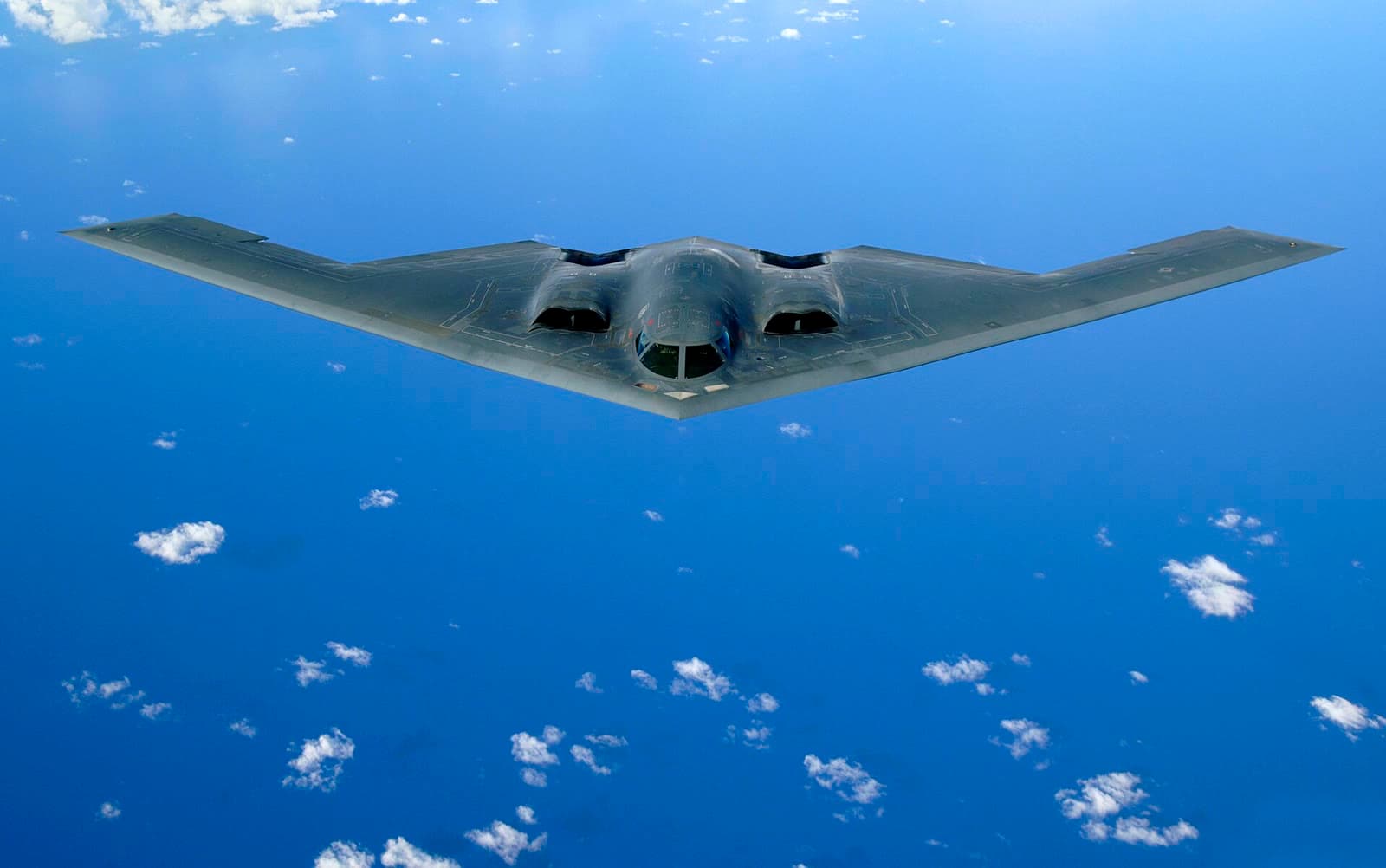
The United States has a new nuclear bomb on paper, and almost nothing else is public about it. The designation B94 appears in an explanatory statement released last week by the Senate Appropriations Committee alongside its draft Fiscal Year 2027 energy and water spending bill. The bill adds $77.108 million for the B94 and gives no further detail.
It is the first entirely new designation for an air-dropped US nuclear gravity bomb in decades. Eliana Johns, a researcher with the Federation of American Scientists, spotted it first; Stanford's Jeffrey Lewis then drew wider attention to it, as reported by The War Zone.
What the name tells us
US nuclear weapons follow a single numbering sequence. Bombs carry a B prefix; warheads for ballistic and cruise missiles carry a W. B94 follows directly from the W93, the new warhead under development for the Navy's Trident II D5 submarine-launched missile.
The last new bomb designation known before this was the B90, a nuclear depth/strike bomb meant for use against submarines or land targets. It was cancelled in September 1991 as the Soviet Union collapsed. For more than 30 years since, the US has refurbished and modified existing bombs, most visibly the B61 family, rather than naming new ones.
The likely candidate: NDS-A
Neither the National Nuclear Security Administration nor the committee has said what the B94 is. The only program known to fit is the Nuclear Deterrent System-Air-delivered (NDS-A), a nuclear bomb meant to defeat hard and deeply buried targets. Work on it traces back to at least 2022, and new details appeared in the Department of Energy's 2027 budget request.
The NNSA has said NDS-A will give the President "additional nuclear options to defeat Hard and Deeply Buried Targets" and that the program is "moving aggressively." No design, rendering or model has been shown.

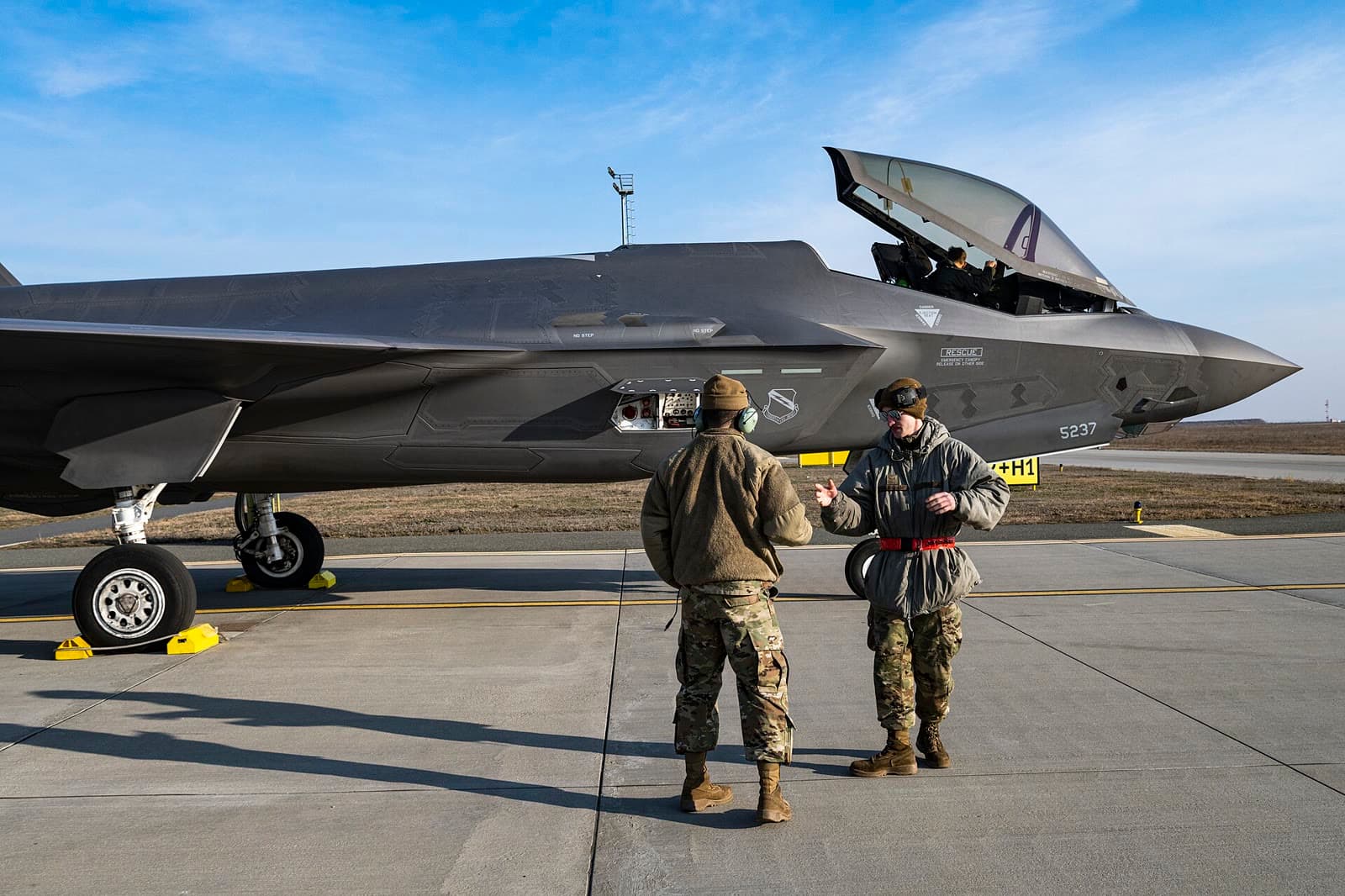
Two B61-12 joint test assemblies loaded on an F-35 for a flight test on August 19, 2025. The B61 family is the backbone of today's US nuclear bomb stockpile. File photo.
Replacing the bunker busters
Today the US has one nuclear bomb designed specifically for deeply buried targets, the earth-penetrating B61-11, with a reported yield of up to 340 to 400 kilotons and fewer than 100 in the stockpile. The B83-1, with a megaton-class yield, can also threaten hardened sites through sheer power. The newer B61-12 and B61-13 add precision guidance and, for the -13, a higher yield, but not the deep-penetration design of the -11. An earlier attempt at a successor, the Robust Nuclear Earth Penetrator, was cancelled in 2005.
NDS-A could replace the B61-11, the B83-1 or both. Its funding line now sits in the energy budget under a proper weapon designation, which usually means a program has moved past concept work.
Why now
The target set has changed since 2005. China is building fields of new missile silos and a large underground command center near Beijing. Russia continues to rely on mountain complexes such as Kosvinsky Kamen in the Urals, the site the B61-11 was largely built to threaten. North Korea and Iran have dug deeper to protect weapons programs from conventional strikes. A new bunker buster is the US answer to the idea that some assets can be put out of reach. How large it will be, what it will be carried by and how many will be built remain unknown.