Germany Reportedly Agrees to Buy Half of Leopard 2 Maker KNDS, Matching France's Stake
Germany has reportedly reached a deal with KNDS's family owners to take over their 50% stake in the Franco-German tank maker. It would put Berlin and Paris on equal terms at one of Europe's most important land-systems companies.
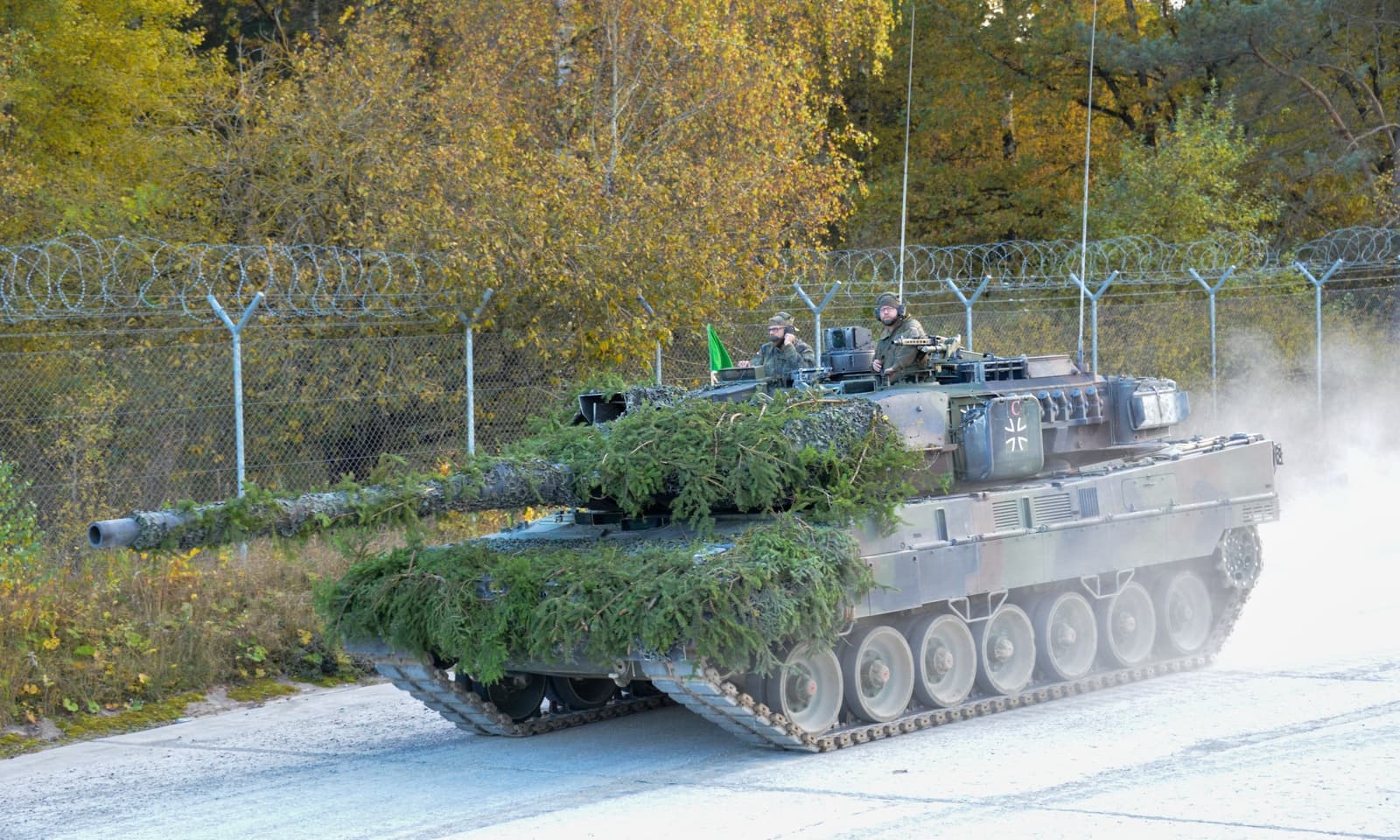
Germany has reportedly agreed to buy the privately held half of KNDS, the Franco-German group behind the Leopard 2 tank, in a move that would leave Berlin and Paris as equal owners of one of Europe's most important land-systems companies.
German newspaper Handelsblatt reported on Nov. 5, citing confidential government documents, that the government and KNDS's owner families have reached an agreement over the 50% stake. Reuters and other outlets relayed the report. Militrax has not seen a published contract or a final price, so the deal should be treated as reported rather than complete.
What is reportedly changing
The stake is held by the Braunbehrens and Bode families through Wegmann Holding. The French state owns the other half. If the transaction goes through, KNDS would become an entirely state-owned joint venture, with no private shareholder between the two governments.
Berlin's motive appears straightforward. Germany wants the same say as France over a company that supplies tanks, armored vehicles and artillery to its army. Security newsletter Table.Media describes the aim as ensuring that France cannot outvote Germany inside the company.
The price is still unclear
The cost has not been officially disclosed. According to Handelsblatt, as cited by Defence Industry Europe, Germany would pay less for half of KNDS than the 7.2 billion euros estimated over the summer for a 40% stake. That earlier estimate valued the whole group at about 18 billion euros.
Taken together, those reports suggest that the valuation may have come down, but they do not establish a final figure. Militrax is not publishing a number until one is confirmed.
A shift from the earlier plan
The reported agreement is a significant change of direction. German media had previously described Berlin considering a 40% holding, potentially falling as low as 20% over time, while pressing Paris to reduce its own share so that the two countries stayed level. KNDS had also planned a stock market listing, and that listing has since been delayed.
It remains unclear whether Germany intends to keep the full 50% or reduce it later. Any sale to outside investors would again raise the question of how the two governments keep their balance.
Why KNDS matters
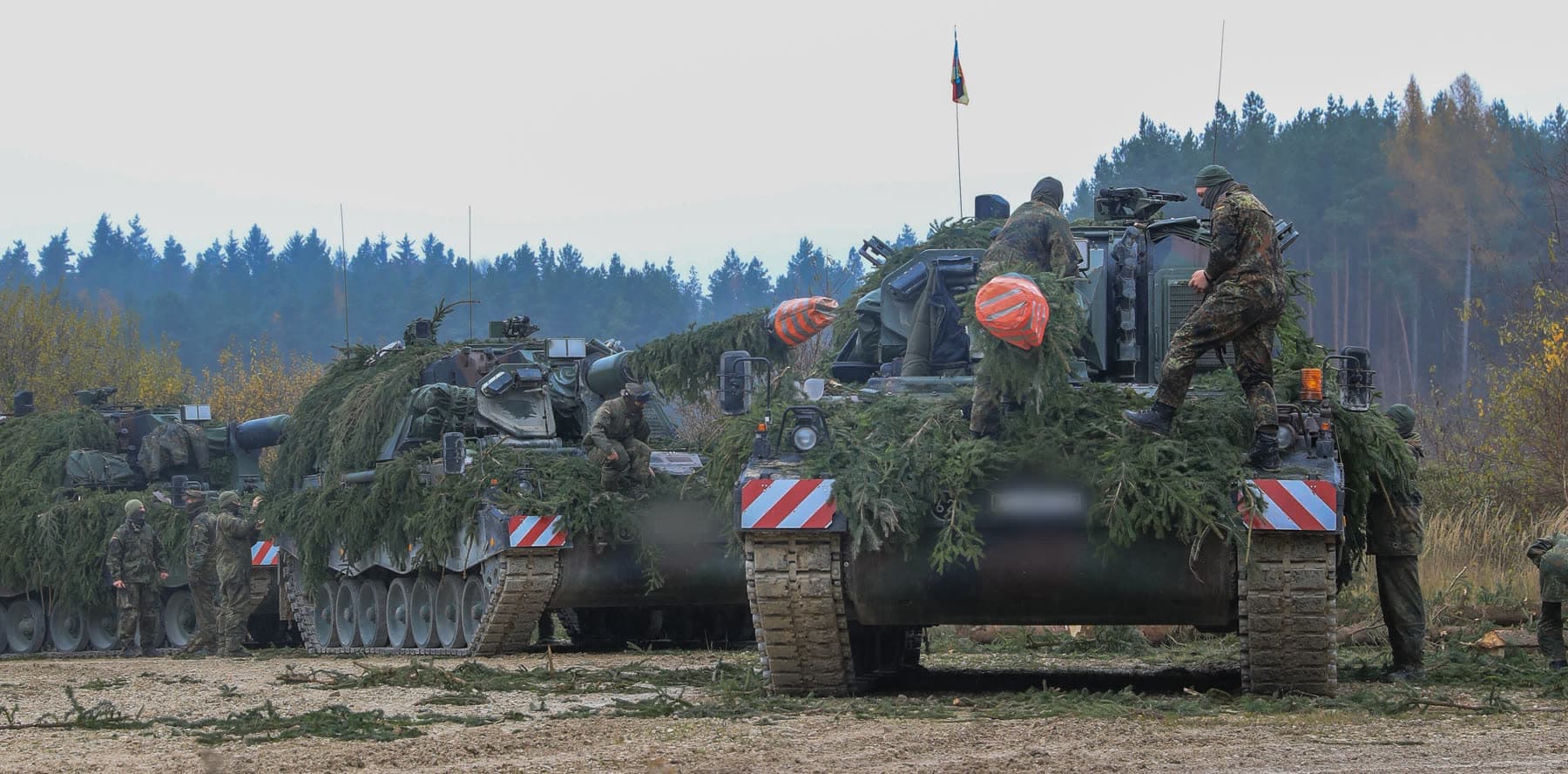
KNDS was formed in 2015 by combining Germany's family-owned Krauss-Maffei Wegmann with France's state-owned Nexter. Its German arm makes the Leopard 2 and the Panzerhaubitze 2000 self-propelled howitzer, and also jointly produces the Boxer wheeled armored vehicle and the Puma infantry fighting vehicle. Its French arm builds the Leclerc tank and the CAESAR self-propelled howitzer.
These are the systems at the center of Europe's rearmament on land. A larger German stake would give Berlin more influence over production, exports and investment decisions at a company whose order book is closely tied to national defense policy. It would also be, according to Militarnyi, the largest state stake in Germany's defense industry if completed.
What to watch
- Official confirmation: a statement from Berlin or the owners with final terms
- Price: whether the cost is published and how it compares with the summer estimate
- Listing: whether a stock market listing returns once ownership is settled
- Paris: how France responds, and how the two governments divide control in practice
Image: A Bundeswehr Leopard 2 A7V during a demonstration at Grafenwoehr, Germany, in October 2024. U.S. Army National Guard photo by Pfc. Israel Fernandez via DVIDS.
The Militrax Weekly
The week's defense news, in one email.
Deals, deliveries and new weapons from every theater, explained. Every Sunday, free, no spam.
Read Next
Germany Must Be Able to Move 800,000 Allied Troops East in 30 Days, Defence Official Says
US Army Wants Drone-Killing Air Defense on Pallets by the End of 2029
Diehl Opens New 155mm Shell Body Line in Germany as Europe Races to Make More Artillery Ammunition
France Warns Germany Its Long-Range Missiles Could Push Russia Toward the Nuclear Threshold
Patriot vs SAMP/T NG: How Europe's Two Long-Range Air Defence Shields Compare