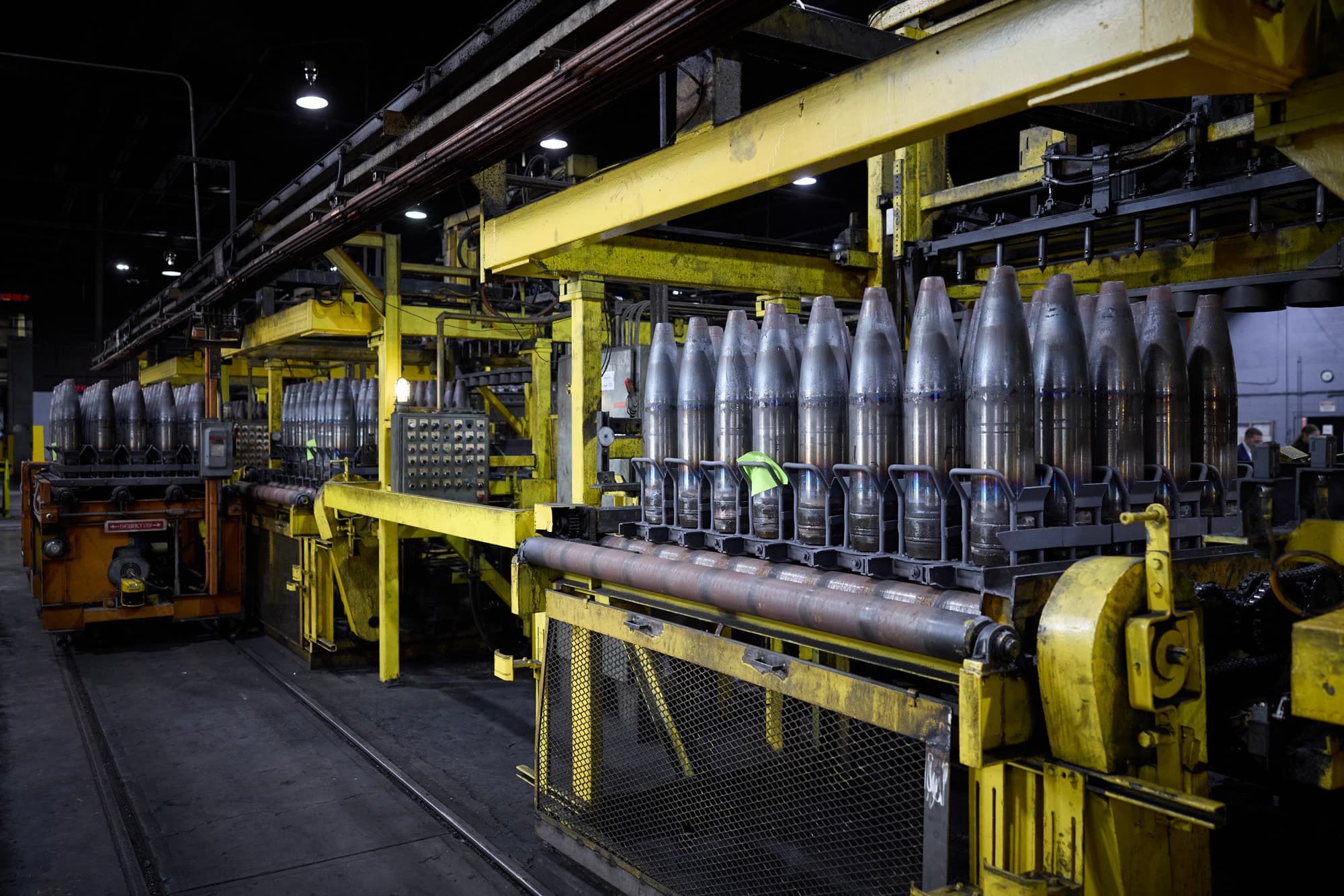
Germany Must Be Able to Move 800,000 Allied Troops East in 30 Days, Defence Official Says
Germany must be ready to move 800,000 allied soldiers from its western to its eastern borders within a month, a senior Defence Ministry official said in Oslo. He warned that civilian departments do not all share the military's sense of threat.
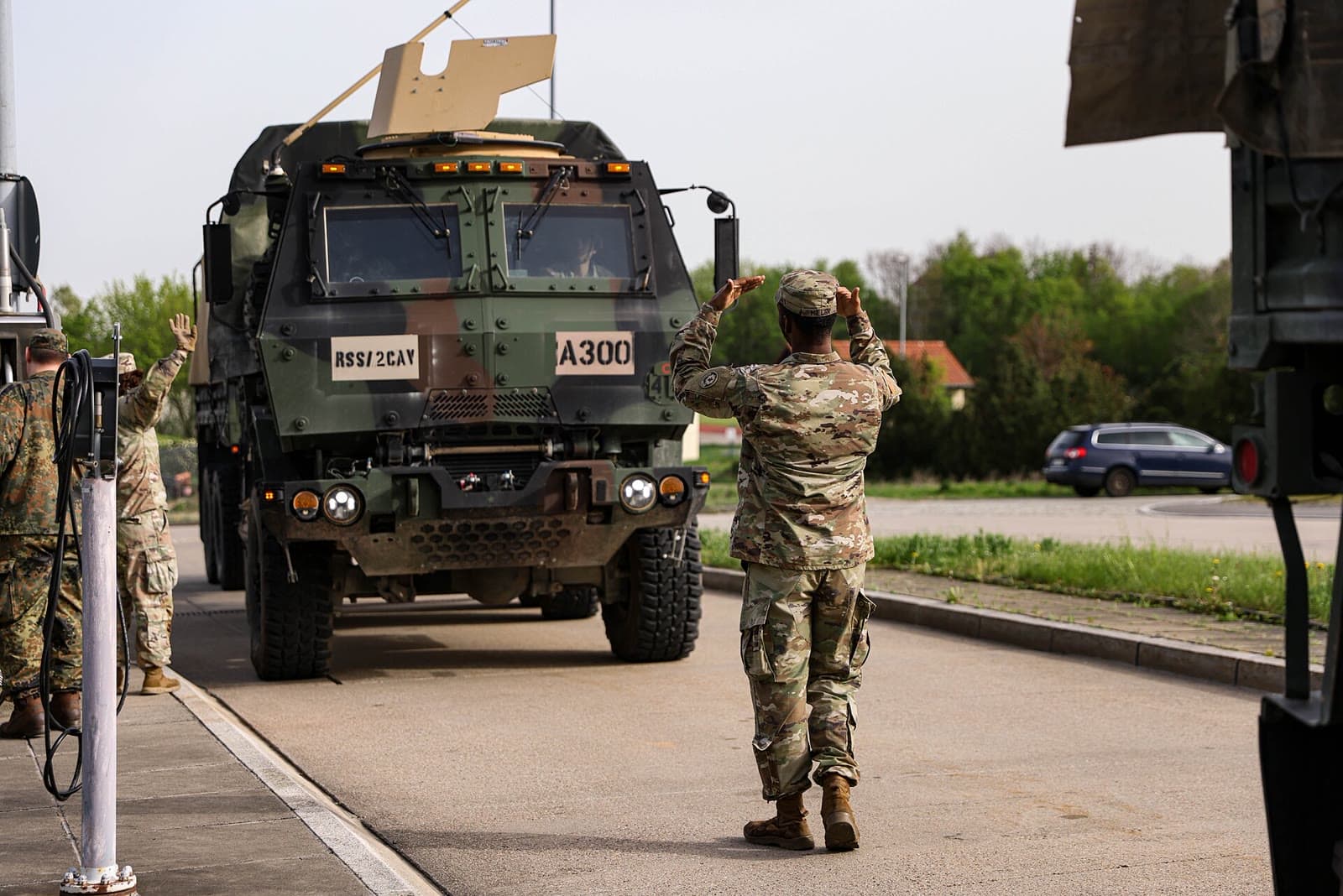
Germany has to be able to move 800,000 allied soldiers across the country, from its western border to its eastern border, within 30 days. That is the task Dr Martin Schäfer, Defence Policy Director at the German Defence Ministry, set out at the Atlantic Future Forum in Oslo this week.
Speaking on a panel about total defence aboard the British carrier HMS Prince of Wales, Schäfer said Germany's role in NATO has changed. "Now Germany is not a front state anymore. There are other countries who have to carry that burden," he said. During the Cold War, Germany expected a Soviet advance to destroy much of its territory. Today the front line runs through Poland and the Baltic states, and Germany's job is to be the road, rail and logistics hub that gets reinforcements there.
A civilian problem as much as a military one
Schäfer was frank that the military cannot do this alone. Moving that many troops means using roads, bridges, railways, ports, fuel depots and hospitals that belong to the civilian state and private companies. He said the job "entails a lot of work of civil departments, who have, to be honest with you, different levels of threat perception."

German Feldjäger log a US Army convoy on the Autobahn in 1984. Germany last planned reinforcement on this scale during the Cold War.
The 800,000 figure matches what has been reported about Operationsplan Deutschland, Germany's classified plan for receiving and moving allied forces in a crisis. In practice it means planning rest stops, refuelling, medical care, security and traffic control for columns that could stretch for hundreds of kilometres, while the country keeps running.
Learning from the Nordics
Schäfer said Germany needs to catch up with the Nordic total defence model, where government agencies, companies and citizens all have defined roles in wartime. Dozens of German government delegations have toured Scandinavia to study it. "This is not about being a copycat," he said. "This is about taking inspiration from what other countries do."
Norway's Chief of Defence, General Eirik Kristoffersen, made a similar point on the same panel: a country can only receive allied reinforcements if its society knows what the military will need from it.
The comments show where Germany's real weak point may be. Berlin is spending heavily on new tanks, air defence and ammunition, but none of that helps if a NATO division is stuck at a weak bridge or a closed rail junction. NATO has already practised large build-ups in Germany, and Britain has landed almost a thousand vehicles in Europe to deter Russia. Thirty days for 800,000 soldiers is a much bigger test.
Sources
The Militrax Weekly
The week's defense news, in one email.
Deals, deliveries and new weapons from every theater, explained. Every Sunday, free, no spam.
Read Next
US Army Wants Drone-Killing Air Defense on Pallets by the End of 2029
Diehl Opens New 155mm Shell Body Line in Germany as Europe Races to Make More Artillery Ammunition
France Warns Germany Its Long-Range Missiles Could Push Russia Toward the Nuclear Threshold
Patriot vs SAMP/T NG: How Europe's Two Long-Range Air Defence Shields Compare
Poland Arrests Two Ukrainians Suspected of Spying and Sabotage for Russia