France Warns Germany Its Long-Range Missiles Could Push Russia Toward the Nuclear Threshold
Paris is pressing Berlin to spell out when and how it would use new long-range strike missiles against Russia, fearing Moscow could mistake a conventional strike deep inside its territory for a strategic attack. Germany says Europe needs a shared doctrine.
France has quietly asked Germany a question that most of Europe has avoided: if Berlin fires a conventional missile at a target deep inside Russia, how sure is it that Moscow will see it as conventional?
According to the Financial Times, which spoke to six people familiar with the talks, Paris wants Germany to spell out when and how it would use the long-range strike weapons it is now buying and developing. French officials fear that a strike on Russian soil, even with a non-nuclear warhead, could be misread in Moscow and set off a nuclear response. One French official told the paper that if the Russian side misreads the signal, Europe could approach the nuclear threshold without realising it.
Germany has not pushed back. A senior German official told the FT that European capitals need a joint doctrine and a shared understanding of the escalation ladder before such weapons are fielded. Talks are reportedly moving toward a possible joint declaration by Germany, France and the United Kingdom.
Why Germany wants the missiles
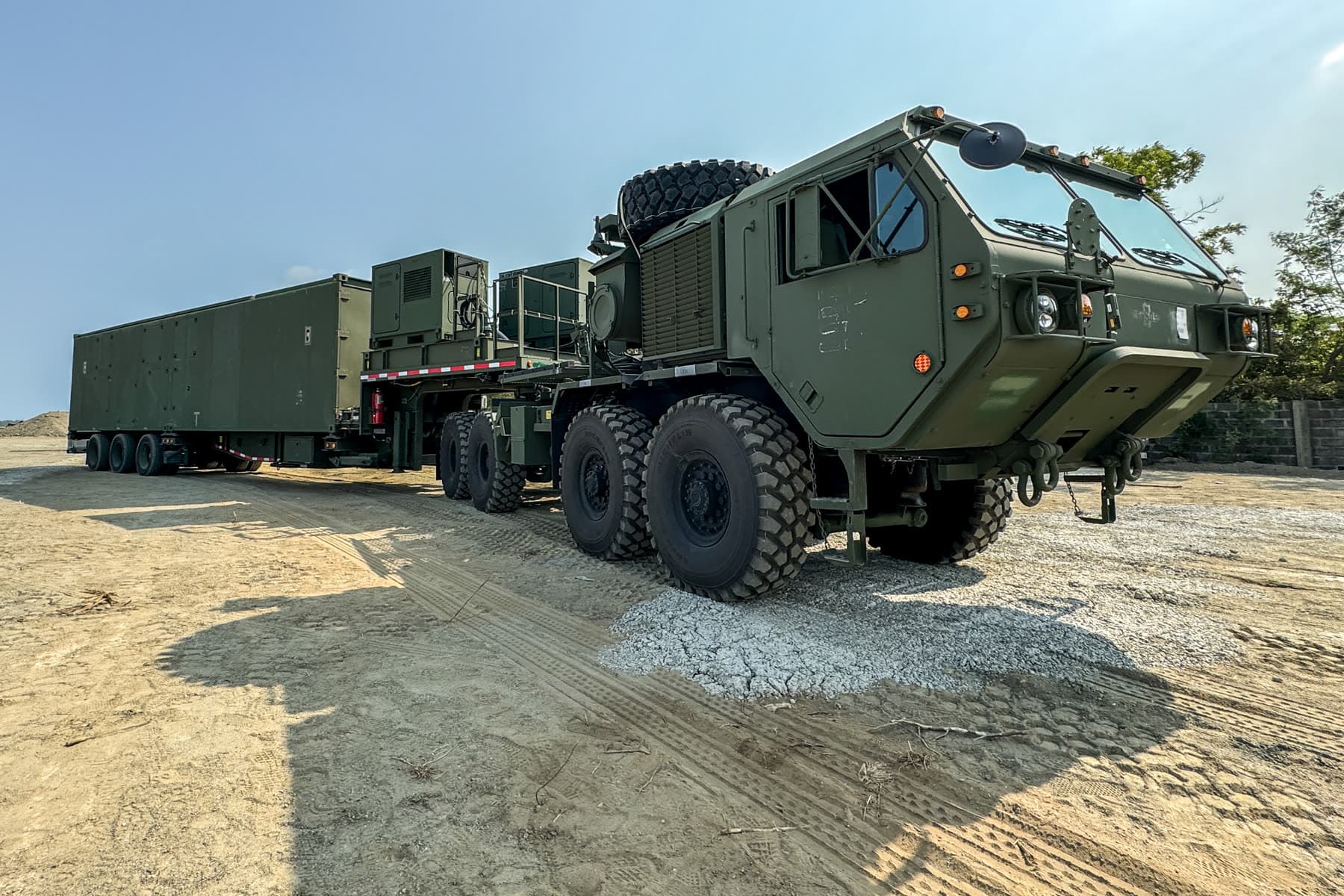
Since Russia's full-scale invasion of Ukraine, Berlin has gone from avoiding long-range strike to actively building it. Germany is acquiring and developing ground-launched missiles with ranges from about 500 km to more than 2,000 km, part of a long-range arsenal reportedly worth around €12 billion that is meant to deter Russia by threatening the depots, command posts and logistics hubs it would rely on in a war.
The longest-range piece is the Deep Precision Strike project Germany is developing with Britain under the 2024 Trinity House defence agreement. It aims at a weapon that can hit targets up to 2,000 km away. Berlin says it is exploring whether France could join. Germany is also part of ELSA, the European Long-Range Strike Approach launched in 2024 with France, Italy and Poland, and it already fields the air-launched Taurus cruise missile, with a range of more than 500 km.

The German Taurus KEPD 350 air-launched cruise missile. File photo: Thomas Vogt, CC BY 2.0.
In 2024 Washington and Berlin also announced plans for episodic deployments of long-range US fires in Germany, including Tomahawk cruise missiles and SM-6 missiles from launchers like the Army's Typhon system.
The French worry: Russia's doctrine
France is Europe's only nuclear power inside the EU, and its concern is rooted in how Russia now describes its own red lines. Moscow's revised nuclear doctrine, published in late 2024, says aggression by a non-nuclear state supported by a nuclear power can be treated as a joint attack, and it lowered the bar for a nuclear response to a conventional strike that threatens Russia's sovereignty.
For Paris, that creates two risks. The first is misreading: a German missile launched at a Russian airbase gives Moscow minutes to decide what it is facing, and Russia has long blurred the line between conventional and nuclear-capable delivery systems. The second is entanglement: as French and German defence cooperation deepens, Moscow could hold France responsible for a German strike.
One French source put it bluntly to the FT: France has a nuclear "grammar and vocabulary" that Germany lacks. Paris has spent decades publicly explaining its deterrence doctrine precisely so that adversaries do not miscalculate. French officials argue that Germany's long-range strike plans need the same kind of public clarity.
Not everyone agrees
A British official told the FT that the French concerns overlook how quickly German strategy has changed. London's view is that long-range conventional weapons strengthen deterrence by giving NATO options below the nuclear level, and that the Deep Precision Strike program targets military assets such as command centres, depots and weapons factories, not government or nuclear facilities.
The disagreement matters because these weapons only deter if Moscow believes they will be used, and only stay safe if Moscow understands how they will be used. Europe is now trying to answer both questions at once.
What happens next
No joint doctrine has been published, and neither government has commented on the record. If the reported declaration by Berlin, Paris and London materialises, it would be the first time Europe's three largest military powers publicly set out shared rules for striking deep into Russia, a step that would shape NATO planning for years.
Sources
The Militrax Weekly
The week's defense news, in one email.
Deals, deliveries and new weapons from every theater, explained. Every Sunday, free, no spam.
Read Next
Germany Must Be Able to Move 800,000 Allied Troops East in 30 Days, Defence Official Says
US Army Wants Drone-Killing Air Defense on Pallets by the End of 2029
Diehl Opens New 155mm Shell Body Line in Germany as Europe Races to Make More Artillery Ammunition
Patriot vs SAMP/T NG: How Europe's Two Long-Range Air Defence Shields Compare
Poland Arrests Two Ukrainians Suspected of Spying and Sabotage for Russia