Germany Fears Cutting U.S. Weapons Too Fast Could Damage Ties With Washington, Internal Papers Show
Internal German defense ministry papers obtained by Politico warn that a rapid move away from American weapons could strain the partnership with Washington, exposing the dilemma behind Europe's push for arms independence.
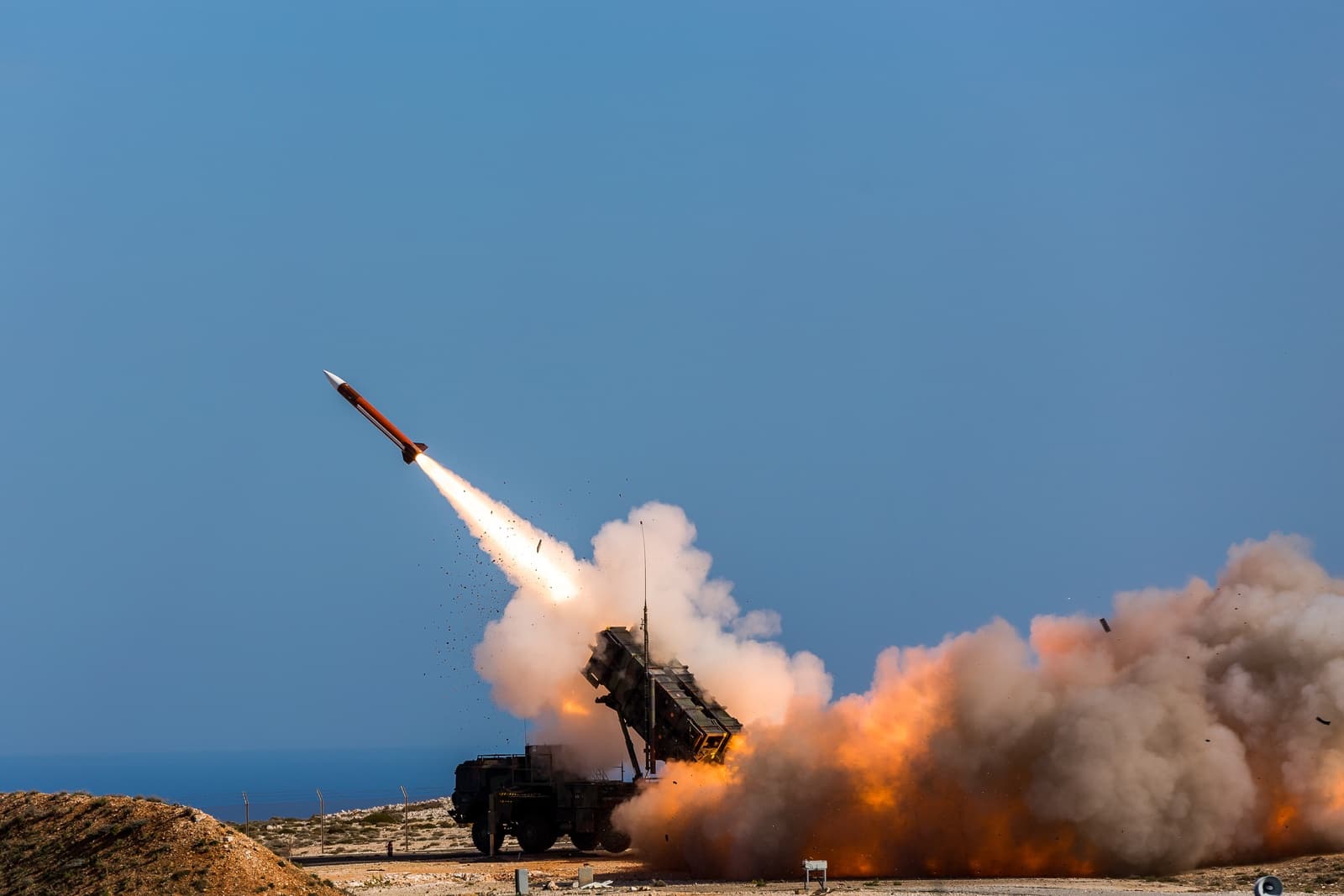
Germany's defense ministry has warned internally that reducing the country's dependence on American weapons too quickly could damage its relationship with Washington, according to documents obtained by Politico.
The briefing papers, prepared ahead of a Bundestag defense committee meeting on German-American defense cooperation, offer an unusually direct look at the dilemma facing Berlin. Officials want more independence, but they fear that open moves in that direction could carry a political and industrial price. Militrax has not seen the documents themselves and is relying on published accounts of Politico's reporting.
What the papers say
According to those accounts, the ministry says the United States views public German talk of autonomy in arms projects critically, and that Germany cannot afford abrupt changes of course without putting the partnership at risk.
The concern is also commercial. A visible break could cost German industry the chance to take part in producing American weapons. The documents reportedly point to Patriot ammunition, SM-2 and SM-6 missiles, Tomahawk cruise missiles and AMRAAM air-to-air missiles as areas for closer industrial cooperation.
They also describe Washington as wanting two things at once: Europe should carry more of its own defense burden, while American companies keep their access to European contracts.
Why Berlin is in this position
The numbers show how deep the relationship runs. According to the Stockholm International Peace Research Institute, the United States supplied 37% of Germany's major arms imports from 2021 to 2025, including F-35 fighters, CH-47 Chinook helicopters and Patriot air defense systems. Across European NATO members, American manufacturers accounted for 58% of major arms imports in the same period.
At the same time, confidence in American deliveries has been shaken. The war with Iran has disrupted arms shipments to several European countries, and a shortage of Patriot missiles has complicated support for Ukraine. In October, Ukrainian President Volodymyr Zelenskyy accused the Pentagon of delaying missiles already paid for by allies. Secretary of State Marco Rubio rejected the claim, denying that Washington was deliberately blocking support.
The wider fight over European buying
The German papers land in the middle of a larger argument. The European Commission wants member states to spend at least half of their defense procurement budgets on European-made equipment by 2030, compared with about 15% now. Politico reports that the Trump administration threatened retaliation in February if European procurement rules shut American manufacturers out.
That leaves Germany, Europe's largest economy, trying to do two things that pull against each other: build industrial independence for the long term without provoking the country it still relies on for critical weapons today.
The practical answer in the papers appears to be gradualism and industrial partnership, rather than a clean break. Whether that satisfies either Washington or European advocates of independence is another question.
What to watch
- Bundestag: how lawmakers respond to the ministry's assessment
- Co-production: whether Germany signs new industrial deals on American missiles
- Brussels: how the EU's European-preference rules develop
- Washington: whether the threat of retaliation over procurement rules resurfaces
Image: German soldiers fire a Patriot system during Exercise Artemis Strike in Crete in November 2017. Photo by Officer Candidate Sebastian Apel, Air Defence Missile Group 24, via DVIDS.
The Militrax Weekly
The week's defense news, in one email.
Deals, deliveries and new weapons from every theater, explained. Every Sunday, free, no spam.
Read Next
Germany Must Be Able to Move 800,000 Allied Troops East in 30 Days, Defence Official Says
US Army Wants Drone-Killing Air Defense on Pallets by the End of 2029
Diehl Opens New 155mm Shell Body Line in Germany as Europe Races to Make More Artillery Ammunition
France Warns Germany Its Long-Range Missiles Could Push Russia Toward the Nuclear Threshold
Patriot vs SAMP/T NG: How Europe's Two Long-Range Air Defence Shields Compare