Belgium Revives Cold War Air Defence Squadron After 37 Years to Run New 'Blue Dome' Shield
Belgium has reactivated its 51st Air Defence Squadron, disbanded in 1989, to operate Blue Dome, a €3.1 billion ground-based air defence network. Rheinmetall has won a contract worth several hundred million euros for 20 Skyranger 30 systems, alongside 10 NASAMS batteries.
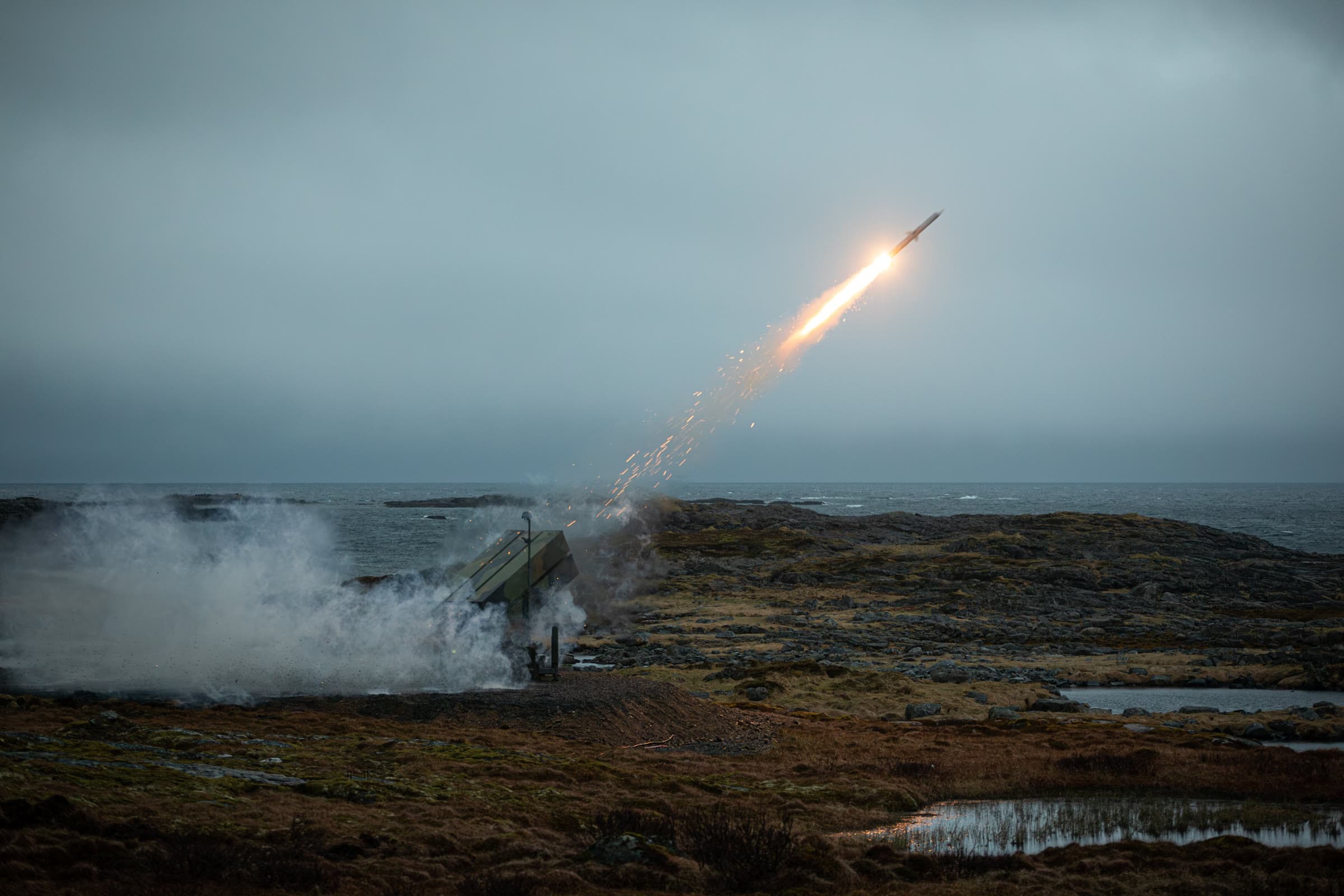
Belgium is rebuilding a ground-based air defence it gave up at the end of the Cold War. On November 9, the Belgian Air Force reactivated its 51st Air Defence Squadron at a ceremony at the Royal Military Academy in Brussels, attended by Defence Minister Theo Francken and Chief of Defence General Frederik Vansina.
The squadron will run Blue Dome, a new €3.1 billion network meant to protect Belgian territory and critical infrastructure from drones, cruise missiles and aircraft. "Today, our Air Force is writing history," Francken said.
Back after 37 years
The 51st Squadron was created in 1959 to operate the American MIM-14 Nike Hercules surface-to-air missile, which defended NATO airspace against Soviet bombers. For three decades it was a pillar of Belgian ground-based air defence. It was disbanded in 1989 as the Cold War ended.

A Nike Hercules missile at the Royal Military Museum in Brussels. The 51st Squadron operated the type until 1989.
The revived unit will be based first at Beauvechain air base, then move to Ursel in East Flanders by 2032 at the latest.
What Blue Dome includes
According to the Belgian government and reporting from the ceremony, Blue Dome brings together 10 NASAMS batteries from Kongsberg, 20 Skyranger 30 anti-aircraft gun systems from Rheinmetall, 14 Thales GM200 radars and 54 Iveco command vehicles, all linked into a single network.
NASAMS, which fires AMRAAM and AIM-9X missiles, will cover the medium layer, at roughly 8 to 50 kilometres according to La Libre Belgique. The first NASAMS battery is expected from the end of 2027.

The layers of Blue Dome and what Belgium is buying. Militrax graphic.
Rheinmetall confirmed on November 9 that it had secured the contract for the 20 Skyranger 30 systems, in what it described as the mid three-digit million euro range, including logistics. The systems will be mounted on hooklift platforms for stationary protection of key sites, and deliveries are scheduled to begin at the end of 2028. Rheinmetall said Belgian technology companies will be integrated into the supply chain, and that the deal was reached less than 18 months after talks began in June 2025.
Skyranger 30 uses a 30 mm revolver cannon firing programmable airburst ammunition. Army Recognition reports a rate of up to 1,200 rounds per minute and an effective range against drones of up to about 3,000 metres. The Netherlands, Belgium's close partner, is buying the same system.
What it will protect, and what is still missing
La Libre reports that the priority sites include the ports of Antwerp and Zeebrugge, the financial institutions Euroclear and SWIFT, and NATO's military headquarters, SHAPE, in Mons. The threats it lists are attack drones of the Shahed type, cruise missiles, loitering munitions and aircraft.
One gap remains: high-altitude defence against ballistic missiles. That layer is not yet part of Blue Dome, and a decision between systems such as Patriot and SAMP/T is expected next year. Francken said he hopes to convince his government colleagues to fund it.
Sources
The Militrax Weekly
The week's defense news, in one email.
Deals, deliveries and new weapons from every theater, explained. Every Sunday, free, no spam.
Read Next
Germany Must Be Able to Move 800,000 Allied Troops East in 30 Days, Defence Official Says
US Army Wants Drone-Killing Air Defense on Pallets by the End of 2029
Diehl Opens New 155mm Shell Body Line in Germany as Europe Races to Make More Artillery Ammunition
France Warns Germany Its Long-Range Missiles Could Push Russia Toward the Nuclear Threshold

Patriot vs SAMP/T NG: How Europe's Two Long-Range Air Defence Shields Compare