Land2 min read
Britain Spends £25 Million on Drones and Electronic Warfare for Its Troops in Estonia
The UK will give the 4th Light Brigade in Estonia hundreds of one-way attack and FPV drones, twice as many reconnaissance drones, body-worn electronic warfare kits and new camouflage by April 2027. The £25 million comes from the Army's RAPSTONE fund.
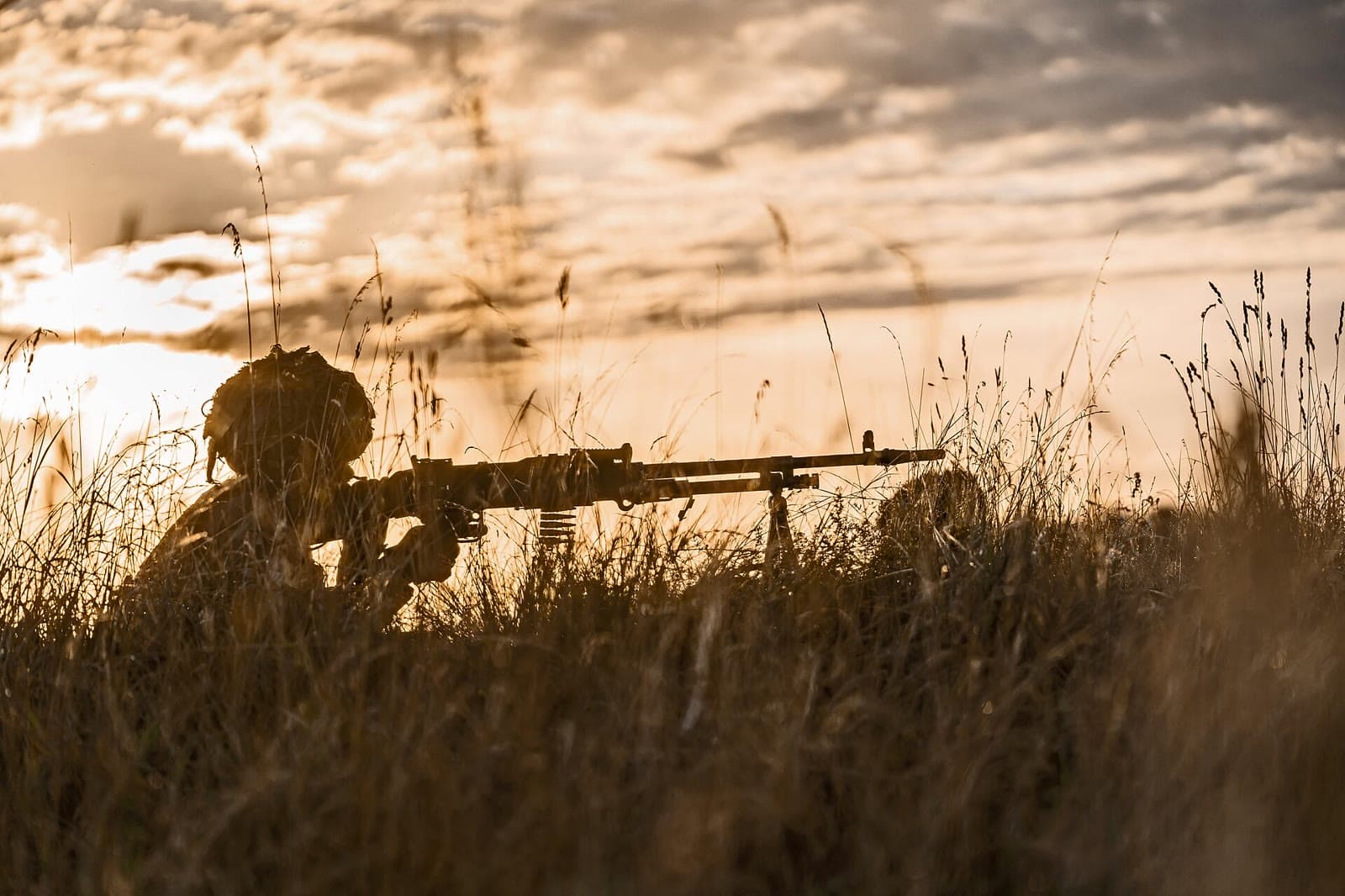
British soldiers on NATO's eastern flank are getting the kit that Ukraine has made essential. A £25 million package will give the 4th Light Brigade in Estonia more attack and reconnaissance drones, electronic warfare equipment and new protection by April 2027, the Ministry of Defence said.
The purchases include hundreds of one-way attack and first-person view (FPV) drones to hit vehicles, positions and equipment, and a doubling of the intelligence, surveillance and reconnaissance drones available to the troops.
"This investment will increase our deterrence on NATO's front line, with our troops in Estonia being kitted out with the latest drones and capabilities," Defence Secretary Wes Streeting said. "It will mean our Army can move faster, be more agile and strike the enemy harder."
Seeing first, hiding better
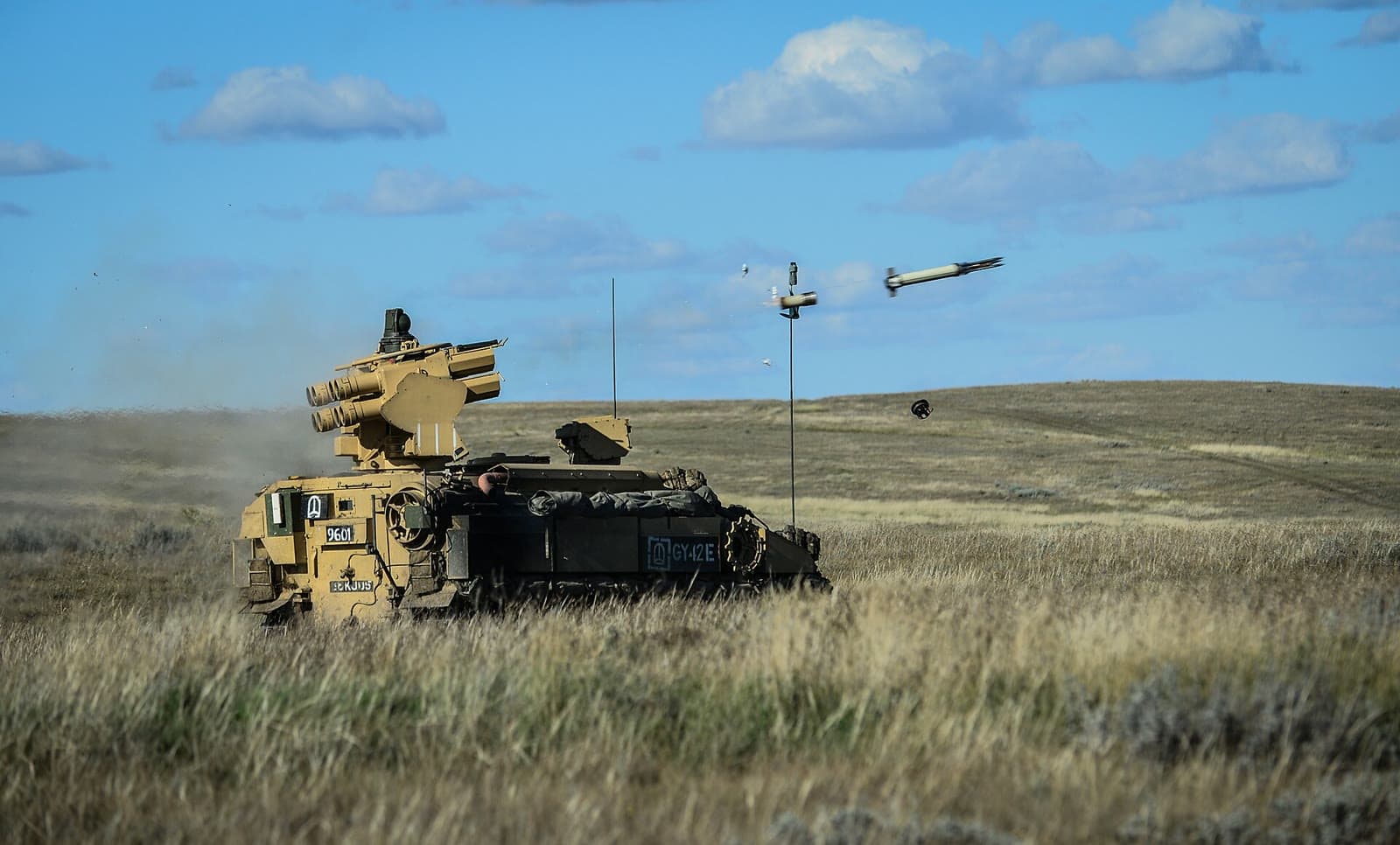
The package is as much about surviving drones as using them. Soldiers will get body-worn electronic warfare systems, vehicle-mounted equipment that scans for enemy signals, and more shotguns to bring down drones at close range. Multi-spectral camouflage will make troops harder to spot with thermal sensors, and extra lightweight 4x4 vehicles will let them move in smaller, more dispersed groups.
"Ukraine has shown that the side which can see first, strike first and protect itself best has a significant advantage in modern war," said General Sir Roly Walker, Chief of the General Staff. "We are acting on those lessons now."
The money is part of a £50 million allocation under Project RAPSTONE, the Army's fund for rapid investment in lethality. It supports the Army's recce-strike concept: link sensors, decision-making and precision weapons so the time between spotting a target and hitting it becomes as short as possible.
Why it matters
Estonia is where Britain leads NATO's forward land forces, a few hundred kilometres from Russian units that have spent three years learning drone warfare in Ukraine. £25 million is a small sum by defence standards, but the speed matters more than the size: the equipment is due in about 18 months, not the decade a traditional program would take. The question for the British Army is whether it can turn these quick buys into a permanent, large-scale drone force like the ones Ukraine and Russia now field.