Royal Navy's New Autonomous Squadron Will Start by Guarding Britain's Coast
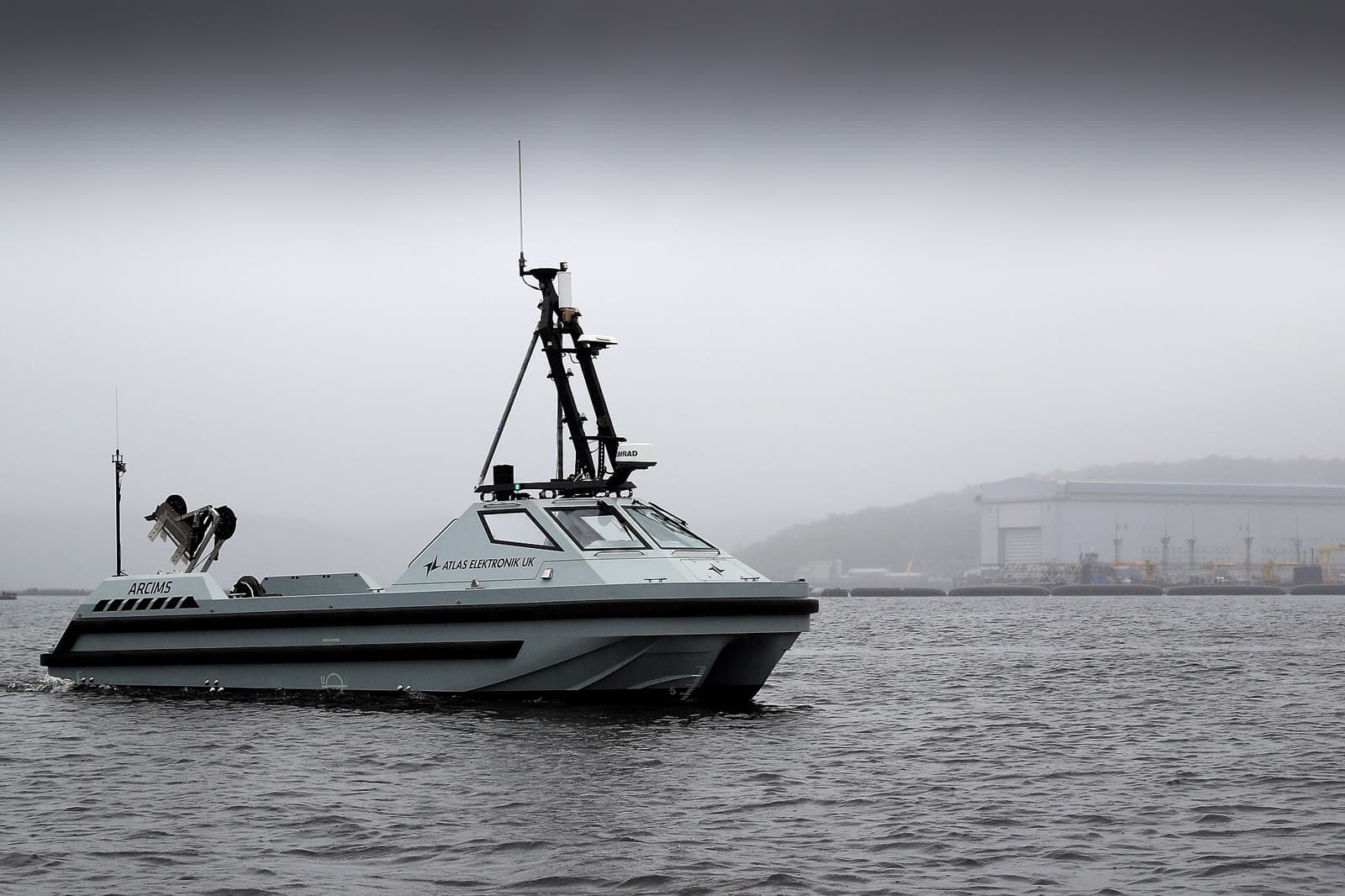
The Royal Navy's 1st Autonomous Squadron will begin with coastal defence, using Kraken K3 Scout drone boats to watch Britain's approaches and protect undersea infrastructure. The First Sea Lord says the boats will get a counter-drone capability next year.
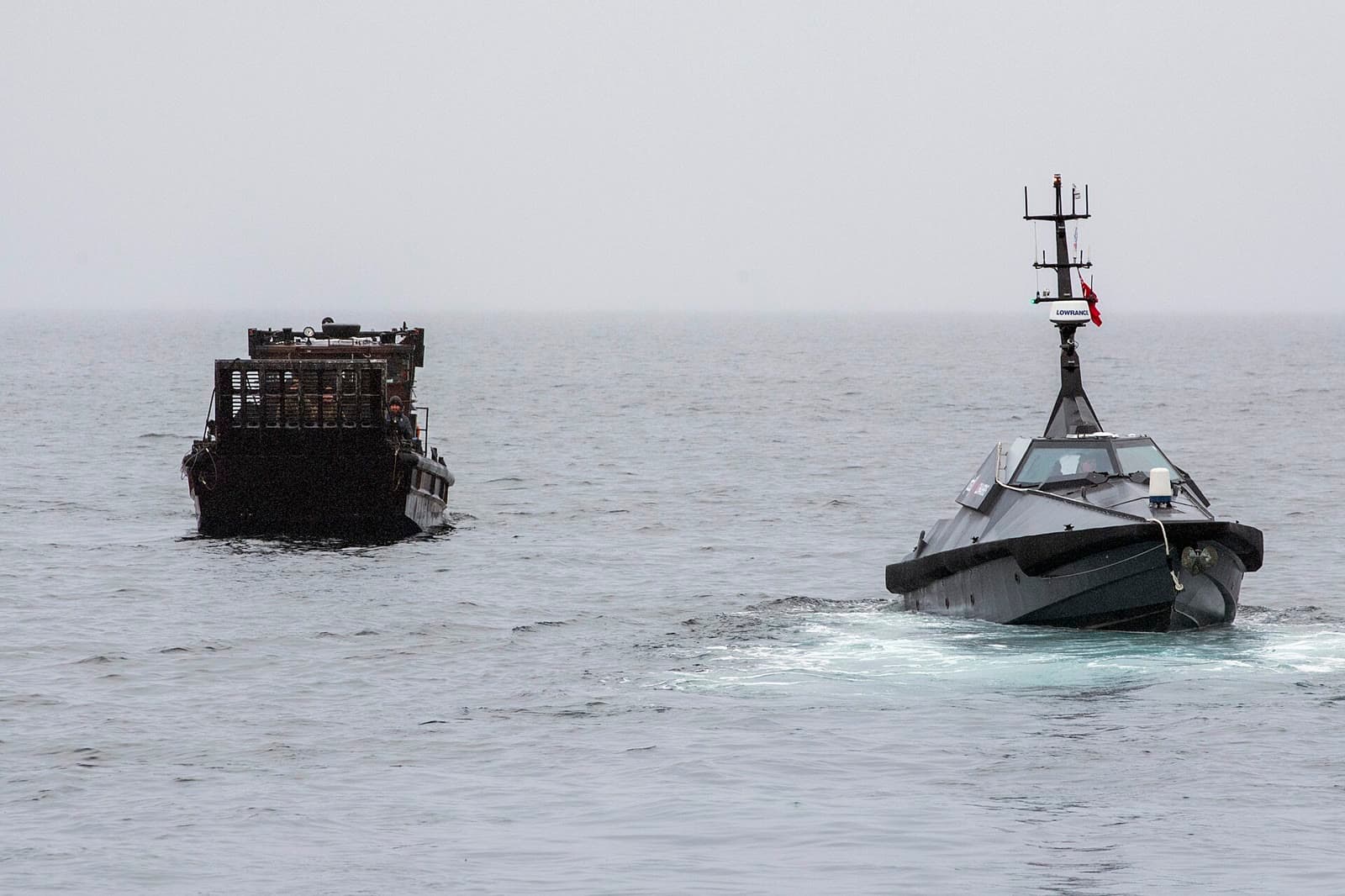
The Royal Navy now has a permanent home for its drone boats, and their first job will be close to home. The new 1st Autonomous Squadron will start with coastal defence, using uncrewed vessels to watch Britain's approaches and protect critical infrastructure, the First Sea Lord, General Sir Gwyn Jenkins, said in Oslo this week.
"For the first time, autonomy has a permanent operational home in the Fleet," Jenkins said, speaking aboard HMS Prince of Wales at the International Sea Power Conference. "At its heart will be our fleet of Kraken scouts."
What the squadron has
The squadron was commissioned at Portsmouth last week with about 180 personnel split into two watches. It replaces Project Beehive, the navy's earlier experimental effort. At first it will operate Rattler training boats and Kraken K3 Scouts, fast uncrewed boats that reach 55 knots and have a range of up to 1,100 miles. The first 20 Krakens were delivered in April.
Jenkins said the Krakens will be fitted with a counter-drone capability in the new year. That would turn them from scouts into boats that can also defend themselves and the assets around them against aerial drones.

XV Patrick Blackett, the Royal Navy test ship for autonomous systems. File photo.
Why the coast comes first
Britain's seabed is crowded with things that matter: gas pipelines from Norway, power interconnectors to Europe and the data cables that carry most internet traffic. Several incidents in the Baltic in recent years, where cables were cut by ships dragging anchors, have made that infrastructure a security priority. Uncrewed boats can patrol for long periods at low cost, follow suspicious vessels and call in crewed ships when needed.
Jenkins described the squadron and the new Capability Accelerator Hub in Portsmouth as two halves of one system: "One accelerates the Hybrid capability. The other takes it to the fight." The hub is meant to test and buy new kit quickly; the squadron is meant to use it on real operations.
The announcement fits a wider push at the same forum. The MoD also said the UK Commando Force will use Arondite's Cobalt software, which uses AI to combine data from sensors and autonomous platforms and speed up decisions. The navy's stated aim is a hybrid fleet, in which crewed ships work alongside large numbers of cheaper drones. Coastal defence is the low-risk place to learn how to run that fleet day to day before sending it further afield.
The Militrax Weekly
The week's defense news, in one email.
Deals, deliveries and new weapons from every theater, explained. Every Sunday, free, no spam.
Read Next
UK Minister Takes the Helm of STARK's Vanta 12, a Drone Boat Armed With Sea Venom Missiles
Euronaval 2026: Saab's Bigger CB90 CX Drops the Troops, and a Swarming Drone Boat Gets a KNDS Warhead
GEZGİN: Where Türkiye's Tomahawk-Class Cruise Missile Stands as Roketsan Readies Production
Britain Joins Norway's Ship Programme, Buying Three Motherships for Its Drone Minehunters
Malaysia Picks Türkiye's ATMACA Over Norway's NSM to Arm Its Delayed LCS Frigates