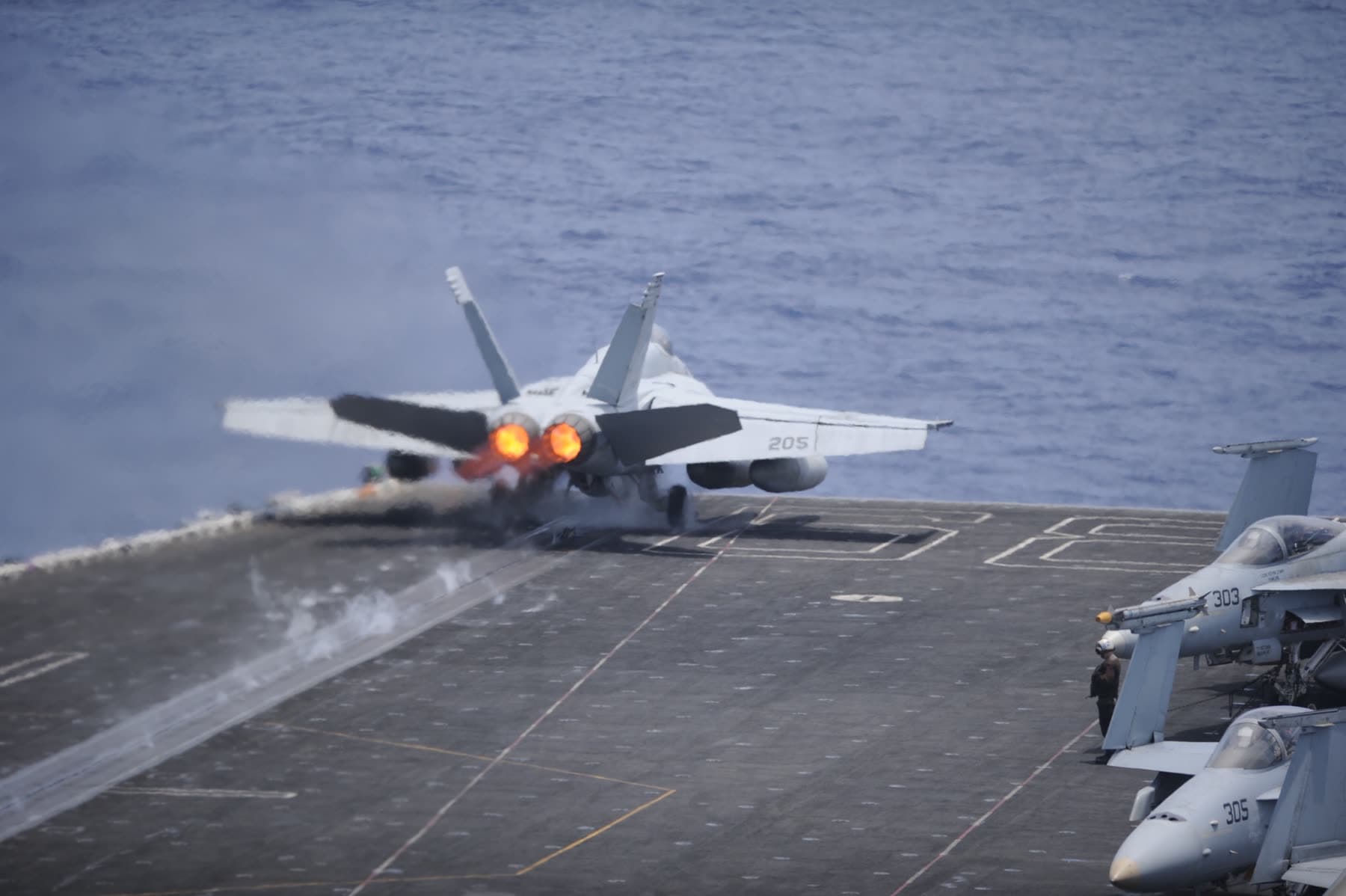
Taiwan Receives Second Batch of F-16 Block 70 Fighters, Five of 66 Now Delivered
Three more F-16 Block 70 jets landed at Chihhang Air Base in Taitung on November 8, bringing Taiwan's deliveries to five of the 66 fighters it ordered in 2019 for about $8 billion. The program was meant to be complete this year.
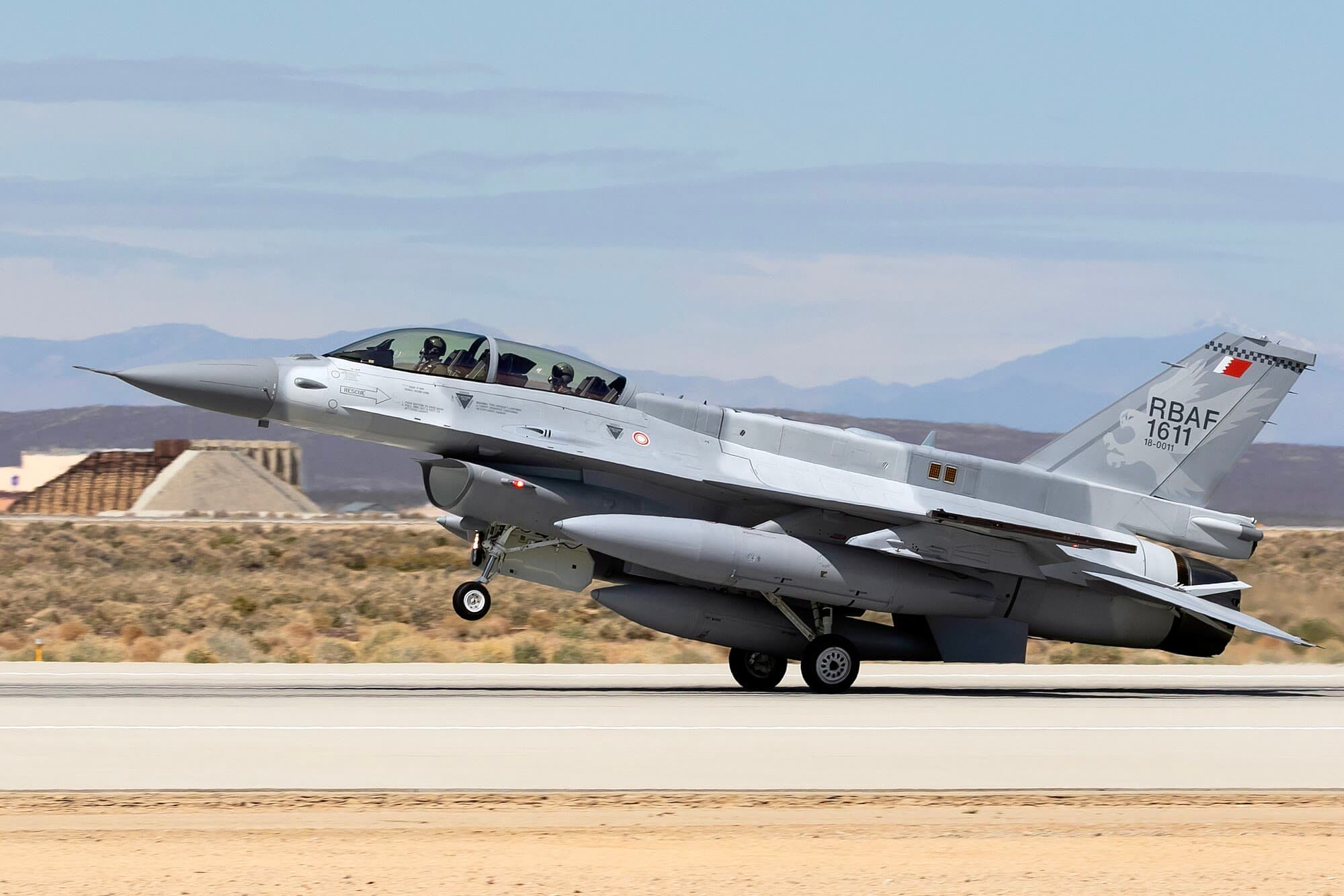
Taiwan has received its second batch of F-16 Block 70 fighters. Three single-seat jets, numbered 6729, 6731 and 6732, landed at Chihhang Air Base in Taitung County in southeastern Taiwan at around 11 a.m. on November 8, according to Taiwan's Central News Agency.
The arrival brings the number of Block 70 jets delivered to Taiwan to five. The island ordered 66 of the fighters, along with related equipment, after the United States approved the sale in 2019 for about $8 billion. That leaves 61 aircraft still to come, and no schedule for the rest has been announced.
Taiwan's Air Force Command Headquarters said it would continue training to bring the new aircraft into service as planned and gradually build up their initial operational capability.

Taiwan's F-16 Block 70 order status and the ferry route from the United States. Militrax graphic.
A long flight across the Pacific
The three jets came off Lockheed Martin's F-16 production line in Greenville, South Carolina, and were moved to Fort Worth, Texas, before setting off across the Pacific with the help of aerial refueling tankers, the Taipei Times reported. They took off on November 4 and arrived at Joint Base Pearl Harbor-Hickam in Hawaii the same day, local time, where they were inspected before the final legs to Taiwan.
Defense Minister Wellington Koo told reporters on November 6, ahead of a legislative session, that the batch was expected to arrive soon, and said the ministry would announce the exact time later.
The Block 70 has conformal fuel tanks along the upper fuselage and can carry three additional external tanks for long ferry flights. Even so, crossing from the US mainland to Taiwan takes many refueling contacts. Aviation enthusiasts quoted by the Taipei Times estimated 12 to 15.
The first two jets, numbered 6727 and 6728, took a slower path. They left Texas on August 17 and spent about a month and a half in Hawaii for system inspections and to arrange tanker support. They left Hawaii on October 1, stopped in Guam and landed at Chihhang around noon on October 2.
Years behind schedule
Under the original plan, deliveries were to begin in 2023 and finish by the end of 2026. Instead, the first jets arrived only last month. Taiwanese officials have attributed the delays to technical issues. The Taipei Times also pointed to the relocation and restart of Lockheed Martin's F-16 production line, the COVID-19 pandemic and supply chain disruptions.
The F-16 line moved from Fort Worth to Greenville in 2019 to make room for F-35 production. Restarting it, and building up a new workforce and supplier base, took longer than planned at a time when orders for the Block 70 were growing from several countries.
The delays matter for Taiwan more than for most customers. The F-16 Block 70 is meant to strengthen the island's ability to respond to Chinese military aircraft, which operate around Taiwan almost daily, and to replace older types that are expensive to keep flying.

Taiwanese F-16V fighters flying in formation in November 2024. Taiwan has already upgraded its older F-16A/B fleet to the F-16V standard. Photo: Office of the President, Republic of China (Taiwan), CC BY 2.0.
What the Block 70 adds
The Block 70 is the newest production version of the F-16. Its most important upgrade is the APG-83 active electronically scanned array radar, which can track more targets at longer range and is more resistant to jamming than older mechanically scanned radars. It also has a modern cockpit with a large center display, an upgraded mission computer and electronic warfare suite, and a structure designed for a longer service life.
For Taiwan, the new jets will join a fleet that has already been modernized. Taiwan upgraded its existing F-16A/B fighters to the F-16V standard, which brought the same AESA radar and new avionics to aircraft first delivered in the 1990s. With the 66 new Block 70s, the island's air force is set to become one of the largest F-16 operators in the world, with an essentially common radar and avionics standard across the fleet.
That commonality makes training, logistics and maintenance simpler, which counts for a smaller air force facing a much larger opponent.
What comes next
With five jets in hand, the immediate task for Taiwan's air force is to train pilots and maintainers and begin building initial operational capability. The bigger question is the delivery rate. At two or three jets per batch, the 61 remaining aircraft would take years to arrive unless Lockheed Martin speeds up.
Neither Taiwan's defense ministry nor Lockheed Martin has published a revised schedule for the remaining deliveries.
Sources
The Militrax Weekly
The week's defense news, in one email.
Deals, deliveries and new weapons from every theater, explained. Every Sunday, free, no spam.
Read Next
Turkish Military S-70 Black Hawk Crashes in Malatya, Killing Four Soldiers
Black Hawks Head South: US Clears $1.1 Billion Sale to Mexico as Argentina Signs for Four
After FCAS, France Goes It Alone: The National Fighter That Must Fly by 2040
Israel's Rafael Unveils Super Ice, a Tomahawk-Class Cruise Missile With a 1,000-Pound Warhead
US Air Force Drone Wingmen Fly in Formation and Practice Air Combat Tactics With Shield AI Hivemind