After FCAS, France Goes It Alone: The National Fighter That Must Fly by 2040
With FCAS scrapped, France is building its own next-generation fighter, the ACF. The Air and Space Force chief says it must fly conventional missions by 2040 so it can carry France's next nuclear missile.
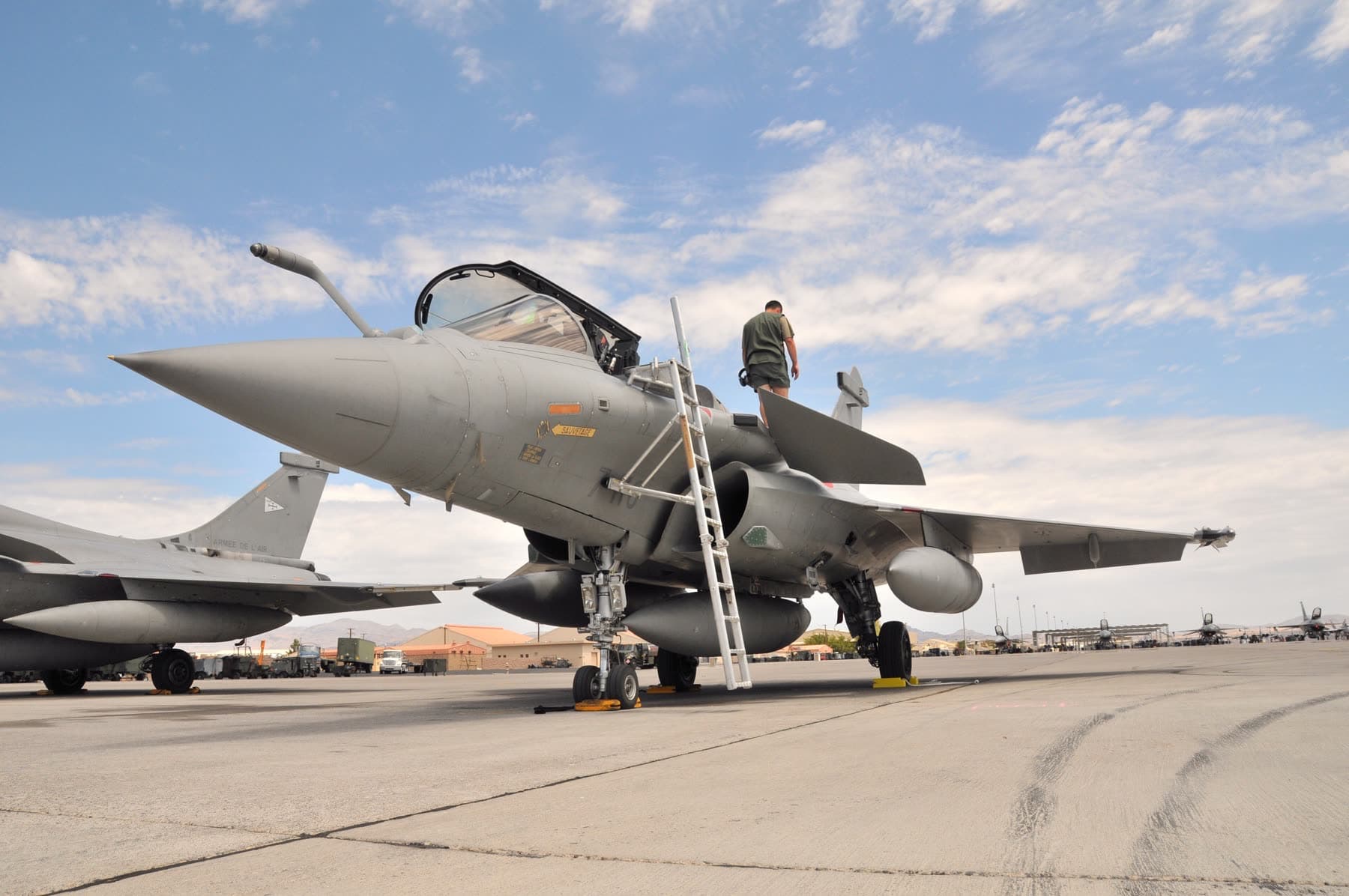
Europe's flagship fighter project is gone, and France is not waiting. After Paris and Berlin agreed in June to scrap the Future Combat Air System (FCAS), France is moving ahead with a purely national next-generation fighter, the Avion de Combat du Futur (ACF).
General Jérôme Bellanger, chief of staff of the French Air and Space Force, told the National Assembly's defence committee in October that the halt of FCAS does not mean France is throwing everything away. The work now under way, he said, will prepare the birth of the ACF.
The nuclear deadline
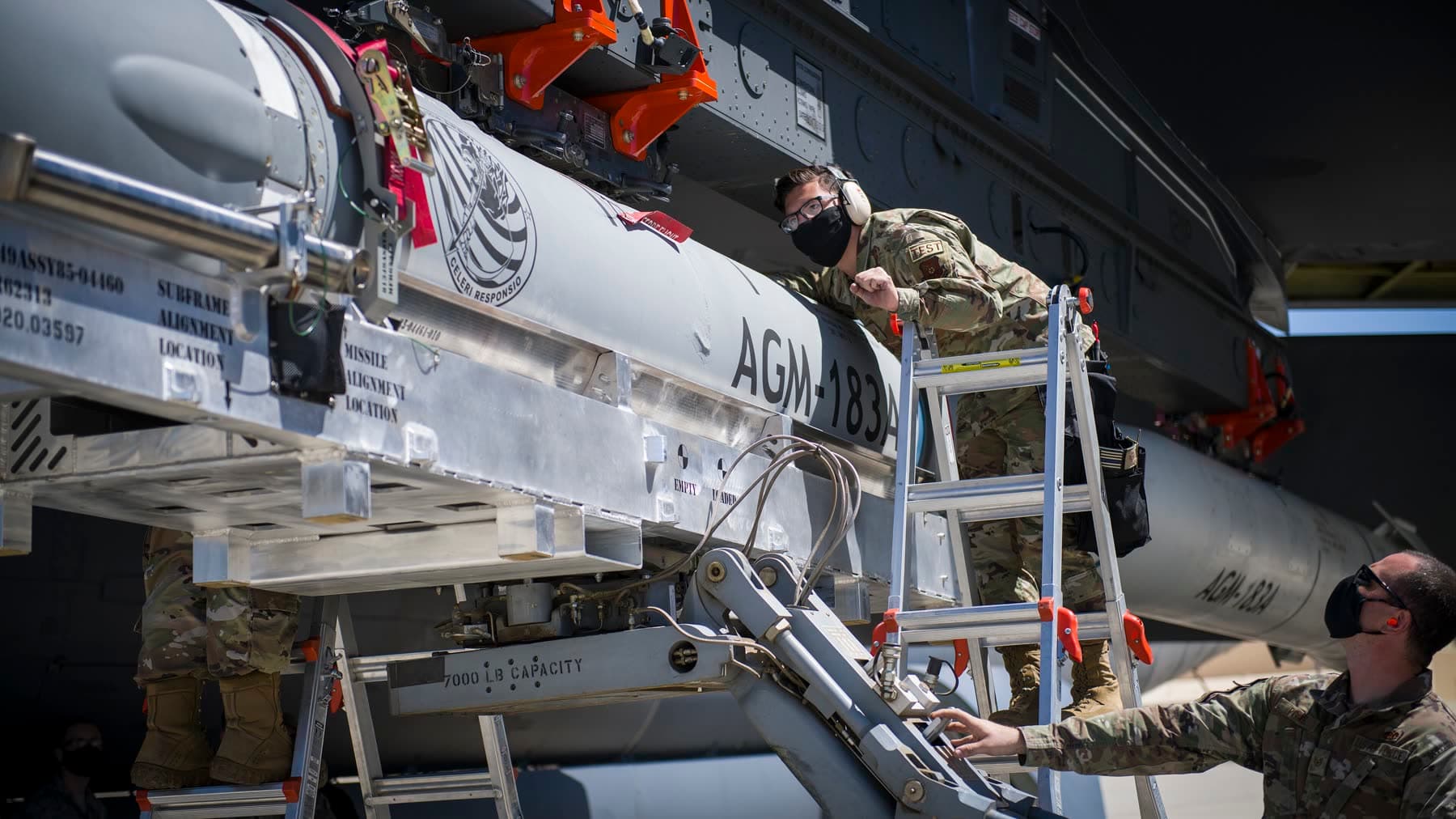
The ACF has a hard deadline, and it is nuclear. France's next airborne nuclear weapon, the ASN4G hypersonic cruise missile, has to be carried by 2050. To get there, Bellanger said, the new fighter must be flying conventional missions by 2040. That leaves about 14 years to design, build and certify a new combat aircraft, a tight schedule by modern standards.
The bridge is the Rafale. The F5 standard, due in 2035, will introduce the first ACF building blocks and the new Stratus RS missile, so that technology matures on an aircraft already in service.

A French Navy Rafale M lands aboard a US carrier. The ACF will also have to operate from France's next carrier. File photo: U.S. Navy (public domain).
Can France afford it alone?
Dassault chief executive Éric Trappier has said he could build the aircraft for well below €50 billion. France has a track record: it left the Eurofighter consortium in the 1980s and built the Rafale alone, which went on to become one of Europe's export successes.
The difference is scale. A sixth-generation system brings drones, combat cloud networks and new engines on top of the jet, and France will carry the cost by itself. Bellanger was dismissive of the rival British-Italian-Japanese GCAP, calling it a different kind of aircraft, almost a strategic bomber.
What it means for Europe
Europe now has two tracks instead of one: GCAP led by Britain, Italy and Japan, and a French national program. Germany, which had been France's FCAS partner, must decide where it fits, and its choice will shape European airpower and defence industry for the next 40 years.
The Militrax Weekly
The week's defense news, in one email.
Deals, deliveries and new weapons from every theater, explained. Every Sunday, free, no spam.
Read Next
Turkish Military S-70 Black Hawk Crashes in Malatya, Killing Four Soldiers
Black Hawks Head South: US Clears $1.1 Billion Sale to Mexico as Argentina Signs for Four
Israel's Rafael Unveils Super Ice, a Tomahawk-Class Cruise Missile With a 1,000-Pound Warhead
US Air Force Drone Wingmen Fly in Formation and Practice Air Combat Tactics With Shield AI Hivemind
Boeing Lands the Navy's F/A-XX: What We Know About the Sixth-Generation Carrier Fighter