US Air Force Drone Wingmen Fly in Formation and Practice Air Combat Tactics With Shield AI Hivemind
Shield AI says its Hivemind software flew several US Air Force collaborative combat aircraft in a multi-ship formation and ran beyond-visual-range counter-air tactics. Meanwhile Kratos puts the MQ-58 Valkyrie at $6–8 million per drone.
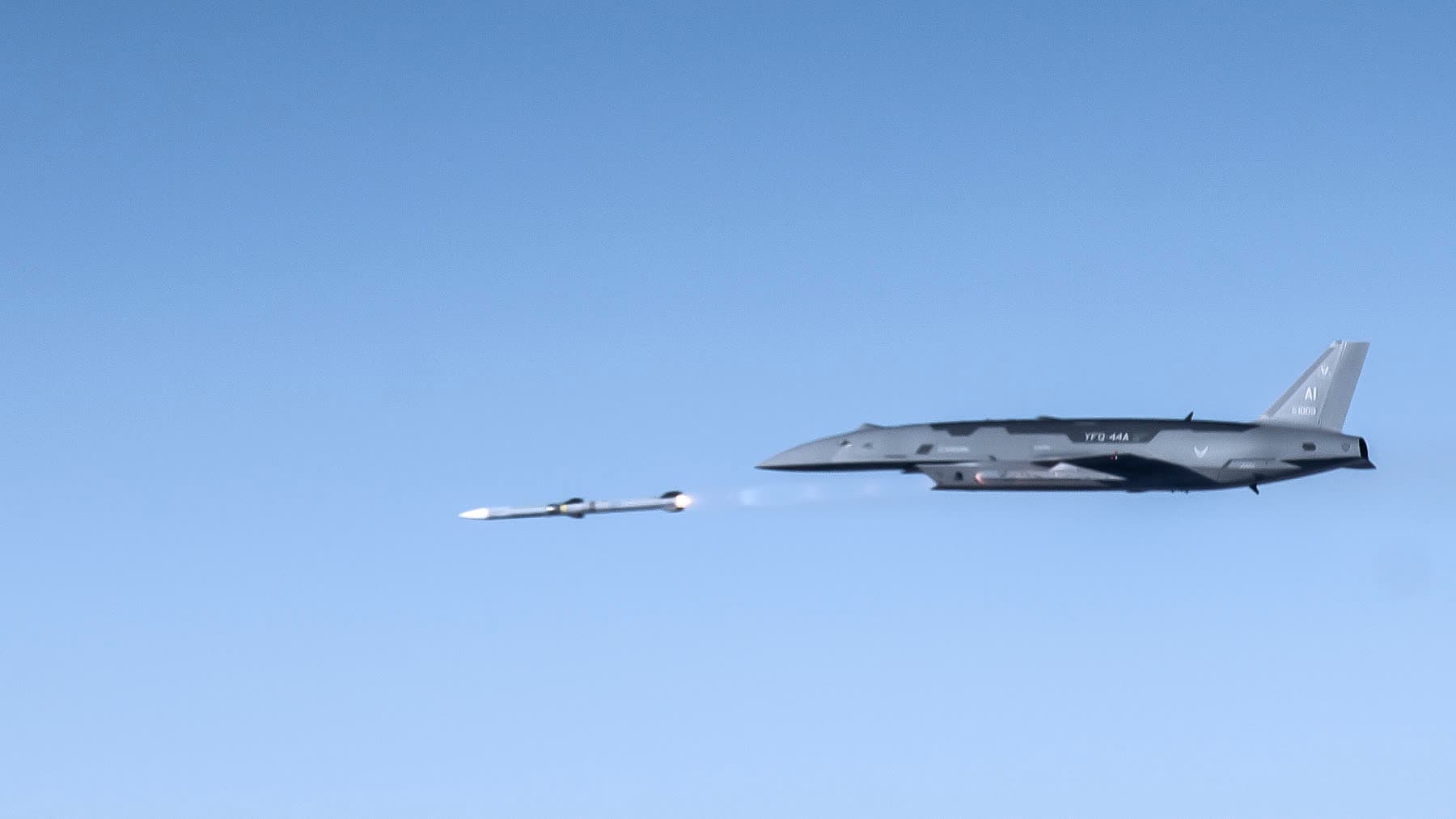
The US Air Force's drone wingmen are starting to fly like a team. Shield AI says its Hivemind autonomy software flew several of the service's collaborative combat aircraft (CCAs) in a multi-ship formation and had them execute beyond-visual-range counter-air tactics, the kind of manoeuvres fighters use to engage enemy aircraft at long range.
The company did not say how many aircraft took part or which CCA type flew. Defense News links the flight to an exercise on October 26. Last month, an F-22 pilot acting as "quarterback" controlled an Anduril YFQ-44A Fury in an airborne tactical command test.
Why formation flying matters
Getting a single drone to fly a pattern is easy. Getting several to hold formation, share sensor data, split targets and react to a threat without a human flying each one is the hard part, and it is the core promise of the CCA program: cheap, autonomous aircraft that add missiles and sensors to a crewed fighter's formation.
The US is not alone in this race. In Türkiye, Baykar flew a Kizilelma unmanned fighter in formation with an Akinci drone in 2023, and in December 2025 two Kizilelma prototypes flew an autonomous close formation using smart fleet algorithms. China has also shown its GJ-11 stealth combat drone in roles alongside crewed jets.

A General Atomics YFQ-42A Dark Merlin, the other Increment 1 CCA, lands at Creech Air Force Base. File photo: U.S. Air Force (public domain).
The money question
Cost is the other half of the CCA bet. Kratos chief executive Eric DeMarco told investors that the company's MQ-58 Valkyrie now costs roughly $6 million to $8 million per drone without some mission systems, more when fully equipped. Kratos once aimed for about $2 million a unit. The Air Force's Increment 1 CCAs target an average of about $20 million each.
The Air Force plans 500 combat-ready CCAs by 2032 within a fleet of about 1,000, and has asked for $2.37 billion for the program in fiscal 2027. The formation flight is a sign that the software side is catching up with the airframes. The next test is doing it at scale, against a thinking opponent, in contested airspace.
The Militrax Weekly
The week's defense news, in one email.
Deals, deliveries and new weapons from every theater, explained. Every Sunday, free, no spam.
Read Next
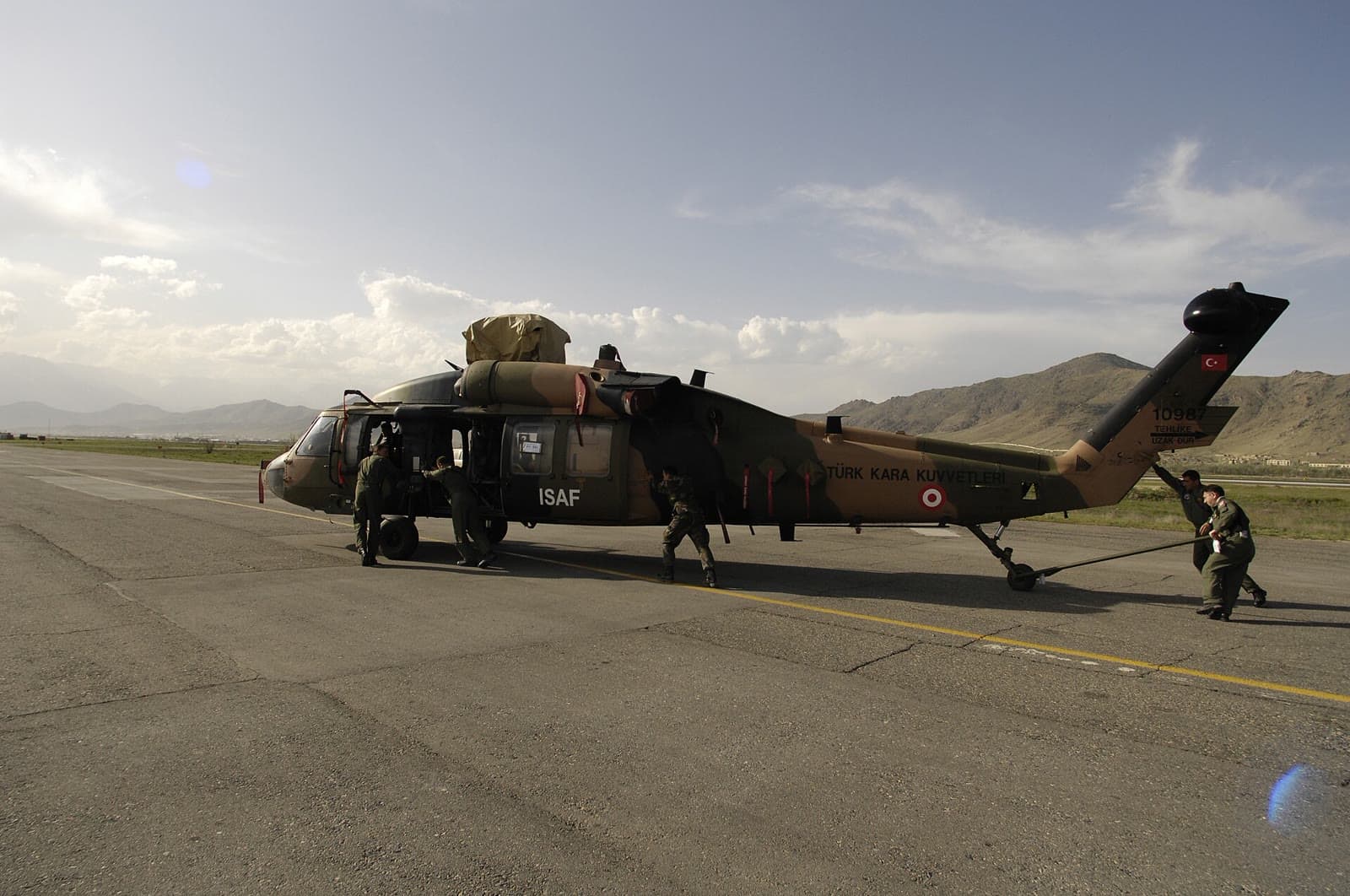
Turkish Military S-70 Black Hawk Crashes in Malatya, Killing Four Soldiers
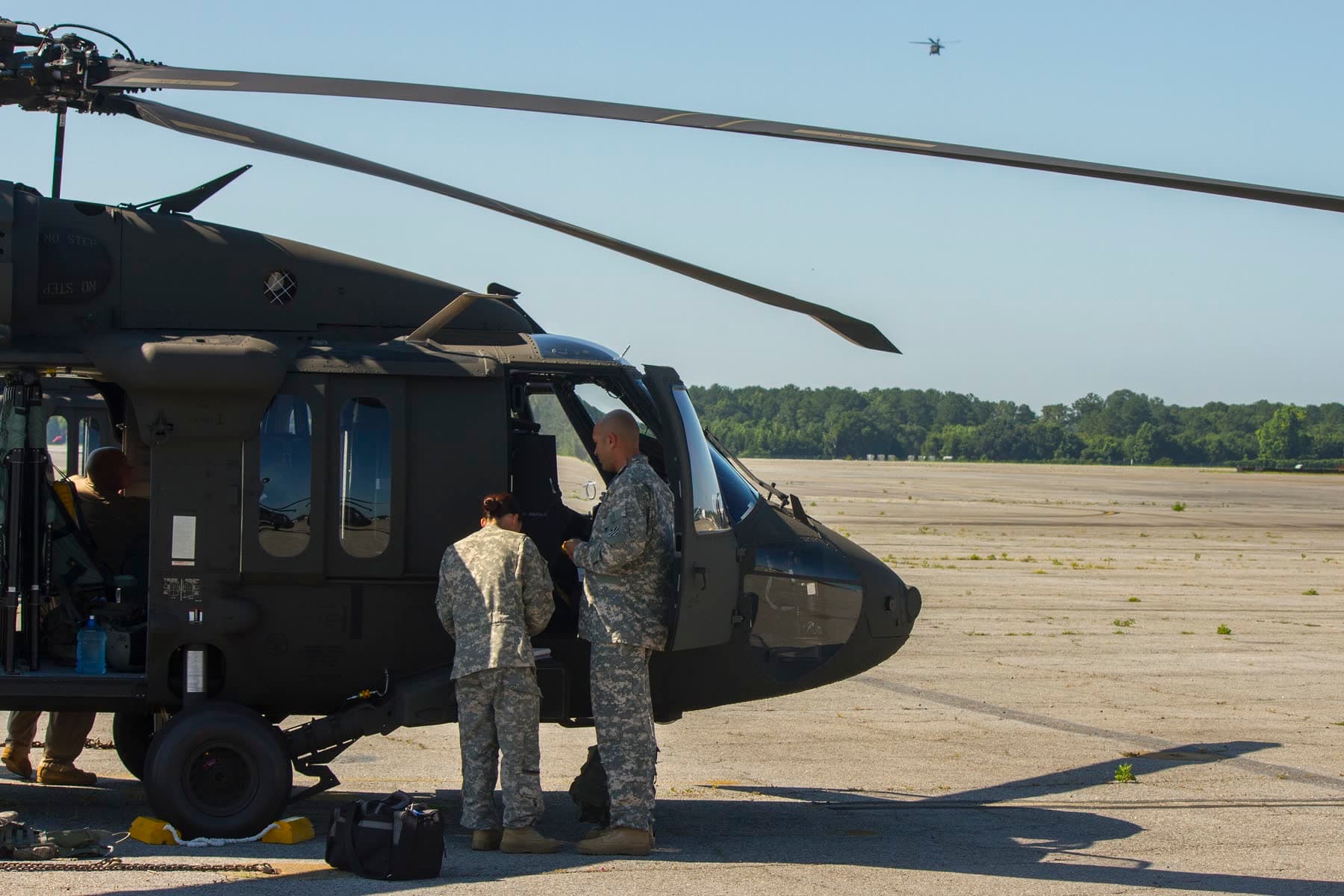
Black Hawks Head South: US Clears $1.1 Billion Sale to Mexico as Argentina Signs for Four
After FCAS, France Goes It Alone: The National Fighter That Must Fly by 2040
Israel's Rafael Unveils Super Ice, a Tomahawk-Class Cruise Missile With a 1,000-Pound Warhead
Boeing Lands the Navy's F/A-XX: What We Know About the Sixth-Generation Carrier Fighter