Navy2 min read
Russia's Planned Laika-Class Nuclear Attack Submarine: 35 Knots on Paper, No Hull in the Water
Russia's Project 545 Laika, also known as Husky, is meant to replace Soviet-era Akula, Sierra and Victor III attack boats. Projections promise 35 knots and a 600-metre diving depth, but no Laika has entered construction.
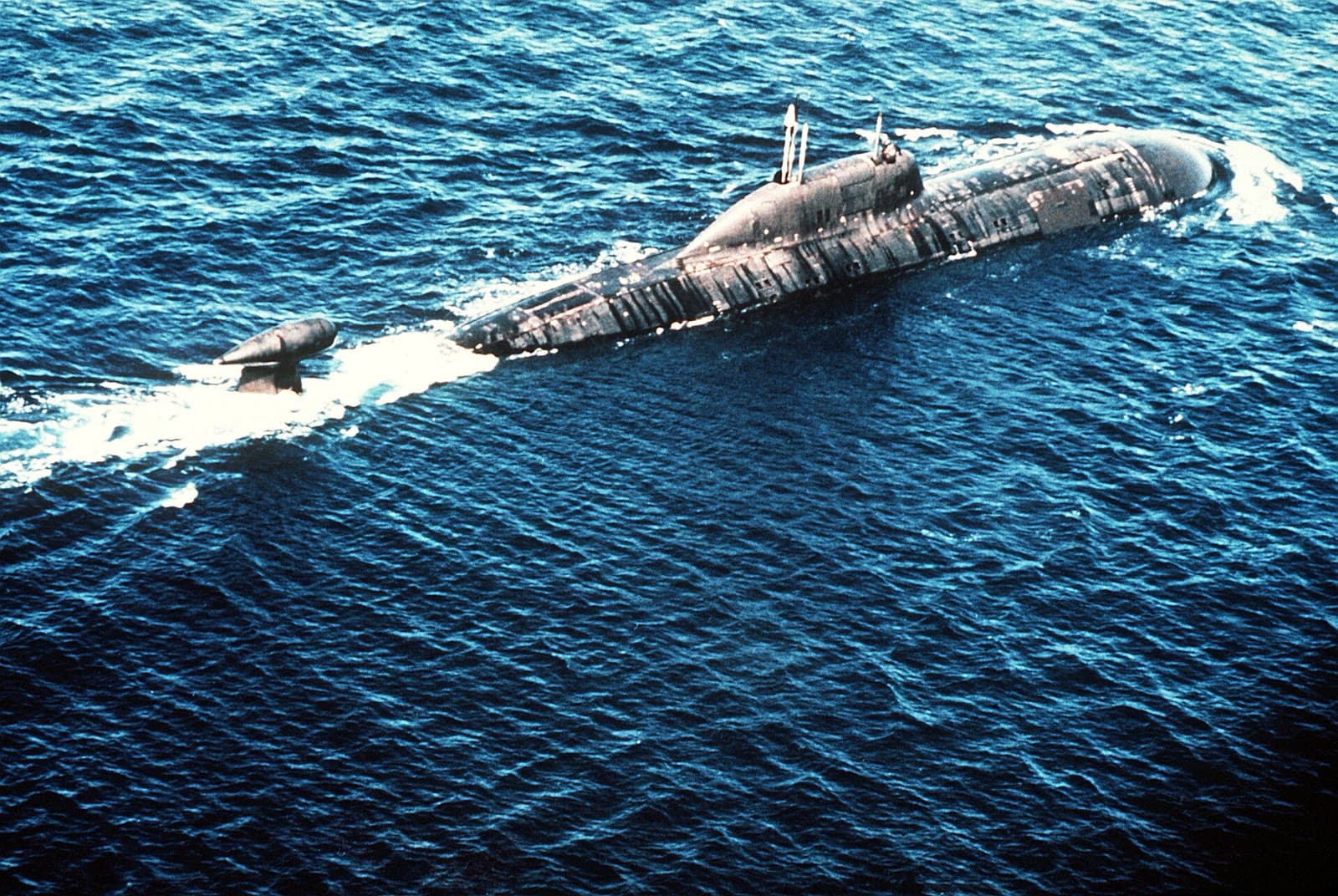
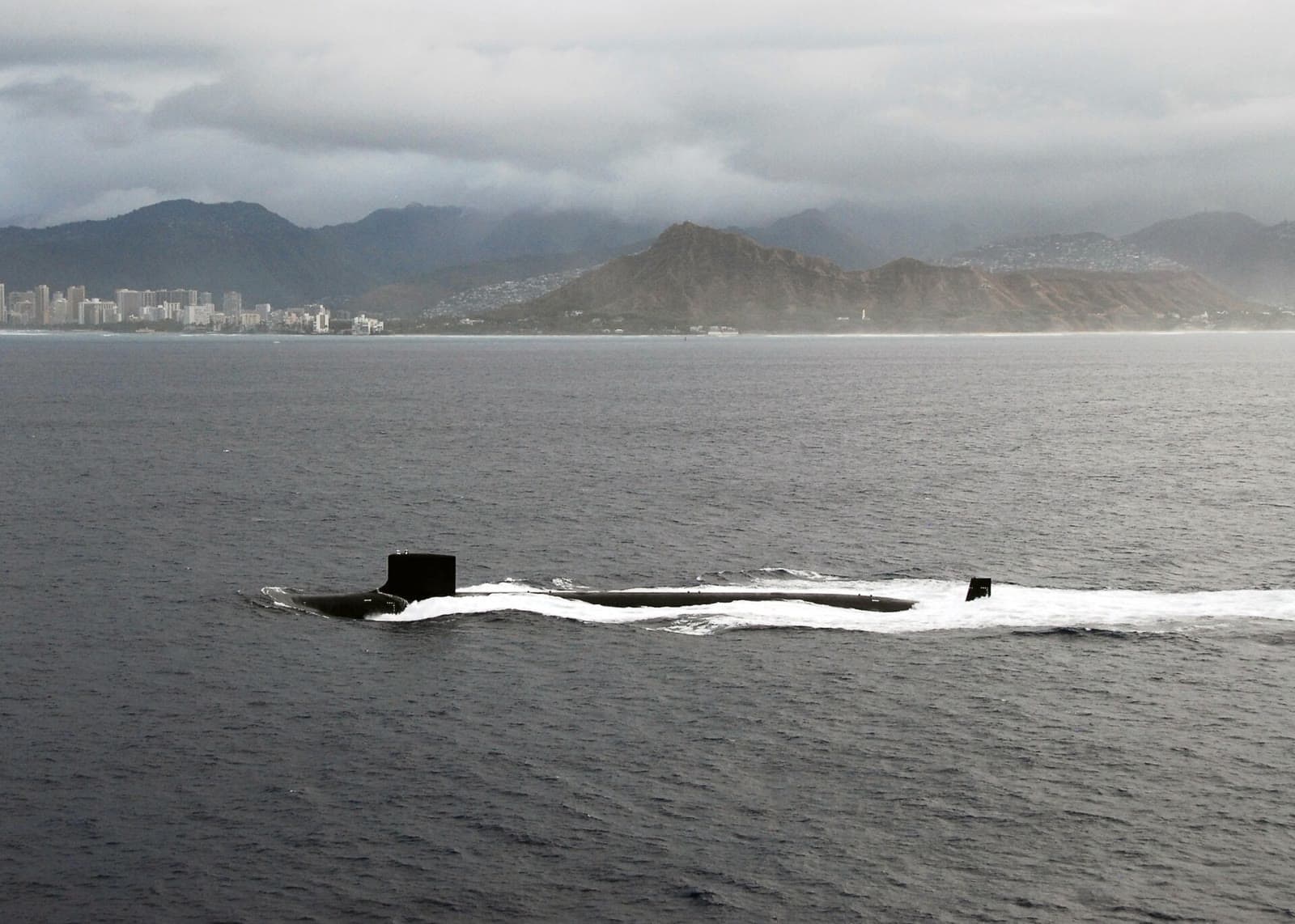
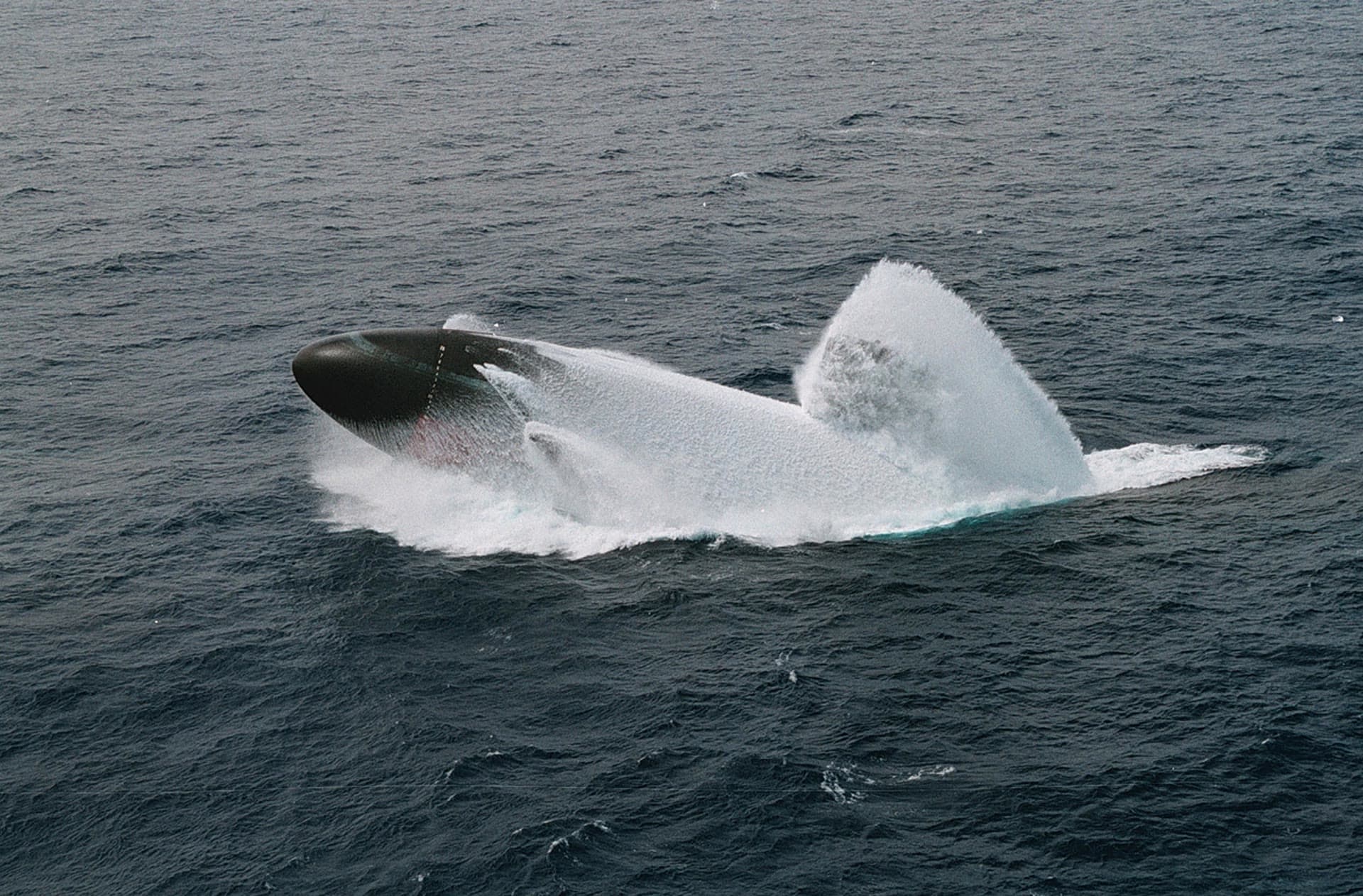
Russia wants a new generation of nuclear attack submarines, but it is still waiting to build the first one. The Laika class, officially Project 545 and earlier known as Husky, is meant to replace the Soviet-era Akula, Sierra and Victor III boats that still make up much of Russia's attack submarine force.
The design comes from the Malachite Marine Engineering Bureau in St Petersburg, which designed many Soviet and Russian nuclear submarines. Work reportedly began under the Husky name in 2014, the Defence Ministry awarded a research and development contract in 2016, and the Laika name appeared around 2019.
What is promised
The reported figures are ambitious: more than 11,000 tonnes submerged, a top speed of 35 knots underwater, an operating depth of nearly 600 metres (about 2,000 feet) and 90 days of endurance, with a single reactor driving a conventional propeller. Designers talk about advanced sonar, composite materials and more automation to cut noise and crew size. These are projections, not demonstrated performance.
The design is meant to be modular. Two versions have been discussed: an attack boat for hunting submarines and surface ships, and a guided-missile version with more launch tubes for strikes against ships and land targets. Weapons could include 533 mm torpedoes, Kalibr cruise missiles, Oniks anti-ship missiles and Zircon hypersonic missiles.
The problem is the shipyard
The aim is a cheaper, simpler submarine than the Yasen-M, which is powerful but expensive and slow to build, so that Russia can afford more of them. But Sevmash, Russia's main nuclear submarine yard, is busy with Borei-A ballistic missile submarines and Yasen-M boats. Sanctions and the cost of the war in Ukraine add more pressure. Earlier projections put the start of construction between 2027 and 2030, and no construction contract or keel laying has been confirmed.
Why it matters
Attack submarines are one of the few areas where Russia's navy can still worry NATO, especially in the North Atlantic and Arctic, where they would hunt Western ships and protect Russia's own missile submarines. But the Akulas and Victors are old, and the Yasen-M is being built too slowly to replace them one for one. Until Laika moves from drawing board to slipway, Russia's attack submarine force will keep shrinking, and NATO navies will keep tracking a smaller number of very capable Yasens instead.