Malaysia Picks Türkiye's ATMACA Over Norway's NSM to Arm Its Delayed LCS Frigates
Malaysia has chosen Roketsan's ATMACA anti-ship missile for its Littoral Combat Ships after Norway failed to issue an export licence for the Naval Strike Missile. Defence Minister Mohamed Khaled Nordin says deliveries could start in 2029.
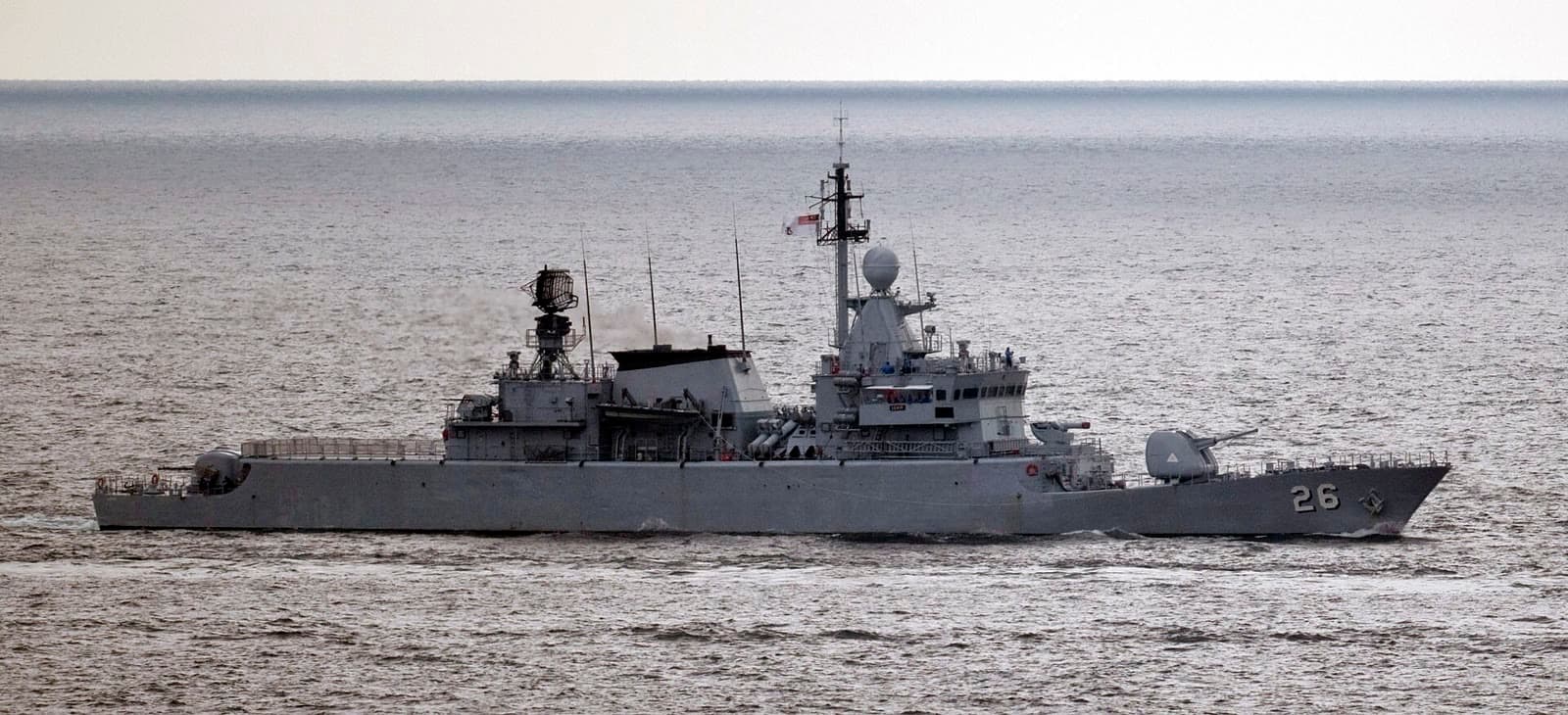
Malaysia has picked Türkiye's ATMACA to arm its new Littoral Combat Ships, replacing the Norwegian Naval Strike Missile it paid for but never received.
Defence Minister Mohamed Khaled Nordin announced the choice on November 12. He said the ministry compared offers from Türkiye, France and Italy, and that the Roketsan missile came out ahead on price, delivery schedule and up-front cost. Negotiations will now be held government to government with the Turkish side, not directly with the manufacturer, and the missile's fit with the ships' combat system will be checked in detail during those talks.
Why the NSM fell through
The LCS was designed around Kongsberg's NSM. Malaysia signed for the missiles and paid, but Norway never issued the export licence needed to ship them. Kuala Lumpur says talks with Norway over the failed contract have gone nowhere. It plans to set up a dispute settlement committee and, if that fails too, take the case to arbitration in Kuala Lumpur to recover its money.
For the Royal Malaysian Navy the bigger problem was time. Khaled said a completely new procurement would not deliver missiles before about 2035. With ATMACA, the first deliveries could come from 2029, according to the ministry, although some Malaysian reports say 2028.

Turkish Navy frigate TCG Göksu during Exercise Joint Warrior. ATMACA is replacing Harpoon across the Turkish fleet. File photo.
Why ATMACA won
The deciding factor was something Malaysia already owns. ATMACA was ordered for the navy's Littoral Mission Ship Batch 2, a class of ships being built with Turkish industry. That means the navy will already have the missiles, the training and the logistics chain. For the LCS, most of the extra cost should come from launchers and software integration rather than a new missile stockpile, the minister said.
ATMACA is Roketsan's sea-skimming anti-ship missile, in service with the Turkish Navy, where it is replacing the American Harpoon. Turkish sources put its range at around 250 kilometres, comparable to NSM. It has already been exported to Indonesia, and the Malaysian decision gives Ankara its second Southeast Asian navy customer.
The LCS programme itself has been one of Malaysia's most troubled defence projects. The ships, based on Naval Group's Gowind design, are years late and over budget, and the first of class has still not been handed over. Losing the planned missile added another gap. ATMACA will not fix the shipyard's problems, but it removes one reason for the ships to enter service without a main anti-ship weapon.
For Türkiye, the win matters beyond one contract. Norway's licence decision showed how export controls can strand a customer. Roketsan is now selling the opposite: a missile from a supplier that can deliver on time and that a buyer already operates.
The Militrax Weekly
The week's defense news, in one email.
Deals, deliveries and new weapons from every theater, explained. Every Sunday, free, no spam.
Read Next
UK Minister Takes the Helm of STARK's Vanta 12, a Drone Boat Armed With Sea Venom Missiles
Euronaval 2026: Saab's Bigger CB90 CX Drops the Troops, and a Swarming Drone Boat Gets a KNDS Warhead
Royal Navy's New Autonomous Squadron Will Start by Guarding Britain's Coast
GEZGİN: Where Türkiye's Tomahawk-Class Cruise Missile Stands as Roketsan Readies Production
Britain Joins Norway's Ship Programme, Buying Three Motherships for Its Drone Minehunters