Pakistan to Buy and Build 100,000 Turkish FPV Drones as Its Role in KAAN Is Confirmed
Pakistan's NRTC has signed a three-year deal with Türkiye's TİTRA Technology to procure and jointly produce 100,000 Merküt FPV kamikaze drones plus loitering munitions and drone stations, as Pakistan's industrial role in the KAAN fighter is confirmed.
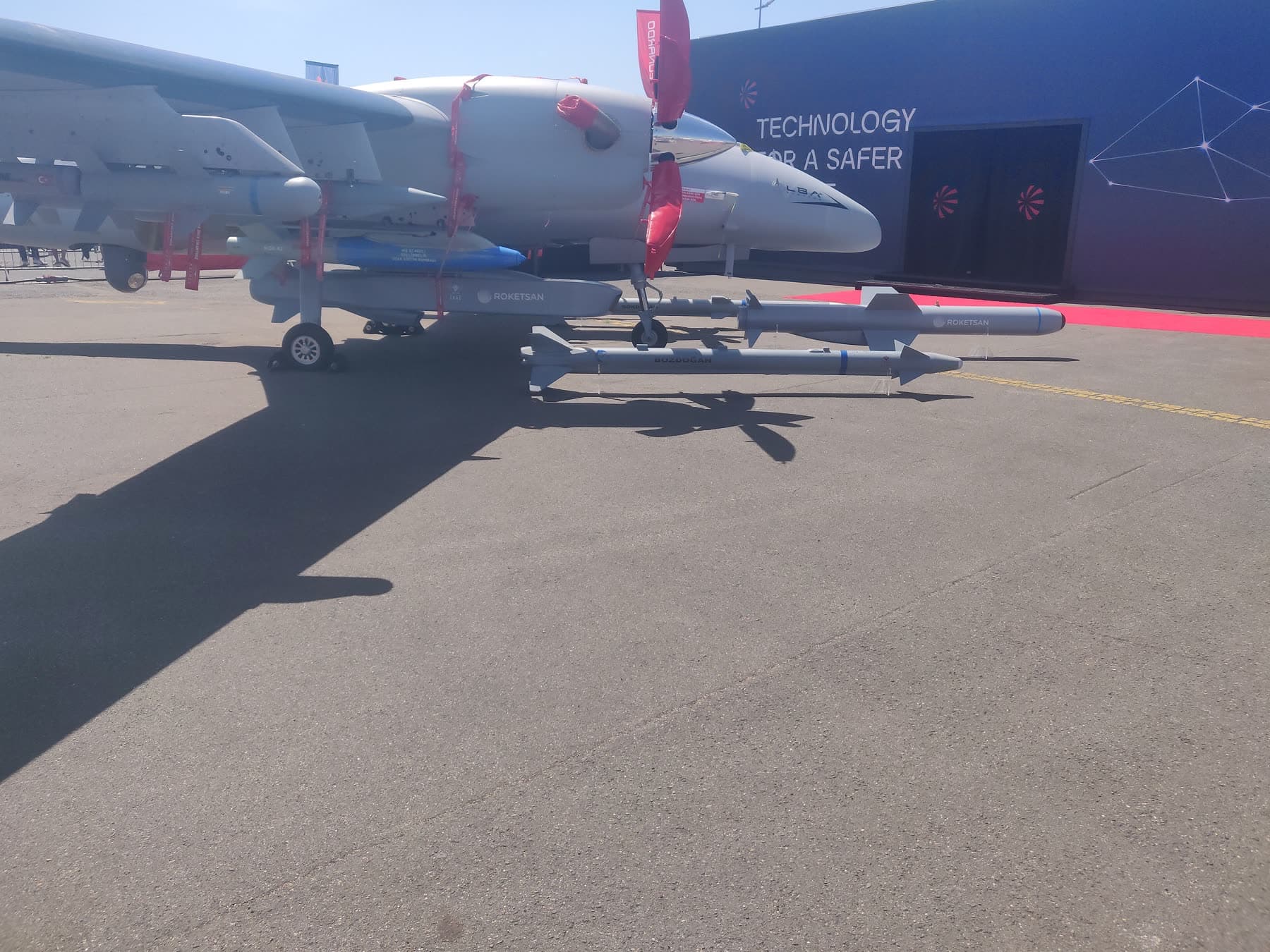
Pakistan is placing one of the largest drone orders ever disclosed. Its state-owned National Radio and Telecommunication Corporation (NRTC) has signed a three-year agreement with Türkiye's TİTRA Technology, part of the Pasifik Teknoloji group, to procure and jointly produce 100,000 Merküt first-person-view (FPV) kamikaze drones.
The package also includes 500 Deli loitering munitions, 10 Alpin unmanned helicopters, 25 Dumrul rotary-wing drones and 250 Korgan autonomous drone stations, roughly 100,785 systems in all. The deal was disclosed by the Turkish company through Türkiye's public disclosure platform and follows a May framework agreement with an unnamed "friendly and allied country".
Built in Pakistan
The agreement covers more than finished drones. Assembly and production will take place in Pakistan through NRTC, a Haripur-based company under the Ministry of Defence Production. The price, delivery schedule and exact share of local manufacturing have not been made public; Pakistani defence analysts at Quwa estimate a baseline value of around $100 million.
Merküt is a cheap, mass-produced FPV attack drone, the same class of weapon that has reshaped the battlefield in Ukraine, where both sides now use hundreds of thousands a month. For Pakistan, which fought a short air and drone war with India in 2025, the logic is volume: cheap drones in numbers that can saturate defences and hit armour and positions at close range.

A Bayraktar TB2. Pakistan already operates Turkish TB2 and Akinci drones. File photo: Press Service of the President of Azerbaijan, CC BY 4.0.
KAAN: Pakistan's role made official
The drone deal lands as Pakistan's place in Türkiye's KAAN fifth-generation fighter program becomes clearer. According to Times of Defence, the Pakistan Air Force and Ministry of Defence Production have confirmed Pakistan's institutional and industrial role in the program, covering sub-assemblies, composite airframe structures, software integration and future joint maintenance.
Türkiye's defence minister first said in January 2025 that Pakistan would take part in the KAAN project, and hundreds of Pakistani engineers have reportedly worked on the jet. TUSAŞ has said KAAN deliveries should begin around the end of 2028 or early 2029. Whether Pakistan will also buy the aircraft has not been formally announced.

A Pakistan Air Force JF-17 Thunder, today the backbone of the PAF fighter fleet. File photo (public domain).
Why it matters
Together, the two moves tie Pakistan's air power ever more closely to Turkish industry, from cheap drones at the bottom to a stealth fighter at the top. For Türkiye, it is a major export win at a time when its defence exports already exceed $10 billion a year. For India, it is another sign that its western neighbour is building a large, Turkish-backed drone and combat aircraft ecosystem.
The Militrax Weekly
The week's defense news, in one email.
Deals, deliveries and new weapons from every theater, explained. Every Sunday, free, no spam.
Read Next
NATO Opens a Counter-Drone Marketplace So Allies Can Skip the Tender
Pentagon Lends Neros $450 Million to Build Small Drone Parts in the US
Shield AI to Buy Radar Maker Echodyne in $5.3 Billion Bet on Counter-Drone Warfare

Britain Leads European Push for Long-Range Strike Weapons

U.S. Air Force Moves FQ-42 and FQ-44 Combat Drones Into Production
