Türkiye's First New-Build Typhoon Takes Shape as Front Fuselage Assembly Gets Underway in Britain
BAE Systems says assembly of the front fuselage for Türkiye's first new Eurofighter Typhoon is underway in northern England, while Airbus builds the centre fuselage in Germany. It is the first visible industrial step in a program meant to reshape the Turkish Air Force before KAAN arrives.
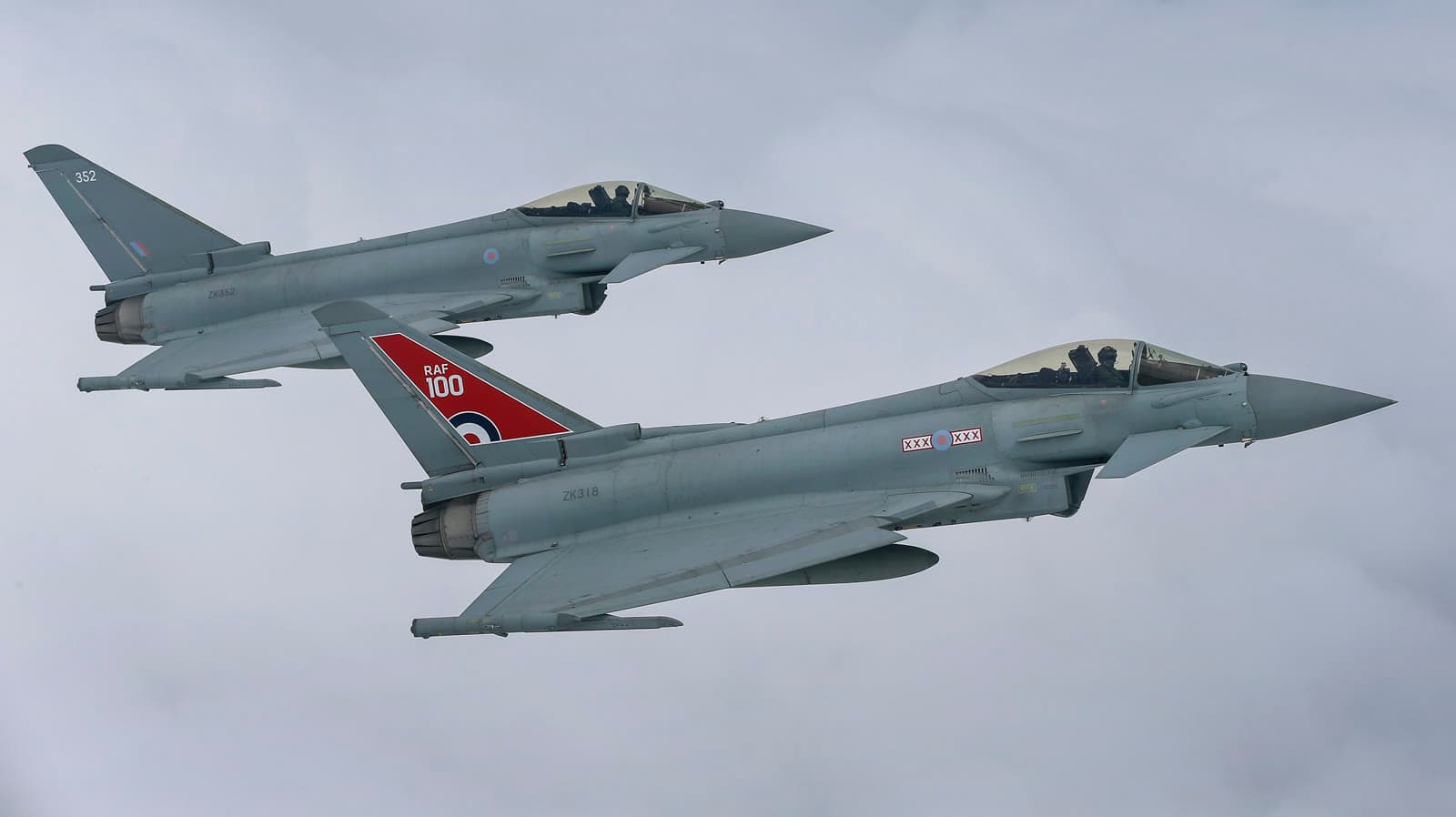
Türkiye's Eurofighter purchase has moved from negotiating tables to the factory floor. BAE Systems announced on Nov. 5 that assembly of the front fuselage for the country's first new Typhoon is underway at its facility in the North of England. Airbus is producing the same aircraft's centre fuselage in Germany, with other components being made across the partner nations.
The announcement comes about a year after Ankara signed for 20 new aircraft, a contract that makes Türkiye the program's tenth operator.
BAE's vice-president for Türkiye, Dave Ward, framed the work as proof to the Turkish customer that European industry is delivering on its commitments. The company also said Turkish Air Force representatives recently visited its Samlesbury production site in Lancashire to see the progress. BAE did not publish a date for the next production milestone.
What Türkiye is buying
The contract was signed in late October 2025. Under the UK government's announcement, BAE will build major airframe components, carry out final assembly and lead weapons integration in Lancashire, with MBDA supplying most of the weapons package.
The value depends on who is counting. The British announcement put the aircraft and weapons package at about £5.4 billion, while Turkish reporting has consistently cited roughly £8 billion. The published sources do not explain the difference, so the two figures should not be treated as directly comparable.
Turkish media report that the first of the 20 jets is due in 2030, and that the agreement allows for more aircraft later.
A long road to the production line
Türkiye's interest was first reported in 2022, when talks with Washington over F-16s were dragging on. The biggest obstacle sat inside the consortium: Germany's objection to the sale, which Ankara overcame only after prolonged negotiations in which Britain acted as its most vocal advocate.
Progress since the signing has been steady:
- March 2026: Defence ministers Yaşar Güler and John Healey signed a technical and logistical support agreement in London.
- August 2026: Training began for Turkish pilots, according to the Turkish defence ministry, which later said they had completed terminology training and started flying.
- November 2026: Front fuselage assembly is underway.
Bridging the gap to 2030
Four years is a long wait for an air force with ageing aircraft, which is why Ankara has also pursued second-hand jets. Turkish reporting describes plans for 12 from Qatar and 12 from Oman, which would bring the total to 44. Other reports give different splits, so the final mix should be treated as unsettled.
The first Qatari jets were expected by the end of February 2026, according to Turkish officials cited at the time. Militrax has not found confirmation of when, or whether, those deliveries took place.
Where Typhoon fits with KAAN
Typhoon is not the end state for Turkish airpower. Türkiye is developing KAAN, its own fifth-generation fighter, to replace an F-16 fleet due to begin phasing out in the 2030s. Reports have also linked the Typhoon purchase to the retirement of the F-4 Phantom fleet, once expected to give way to the F-35.
Seen that way, the new Typhoons are arriving as a modern, Western-built combat aircraft alongside a domestic fighter still in development. They also tie Türkiye more closely to a European program at a time when the continent's defence industry is looking for customers and scale.
Why it matters to Britain
The order also matters in Lancashire. The UK government says the wider Typhoon program supports more than 20,000 jobs, with most in northwest England, and that UK production now extends into the 2030s. Those figures come from the government and industry announcement, so they reflect the sellers' case for the program.
What to watch
- Final assembly: when major sections come together in Lancashire
- Second-hand jets: official confirmation of Qatari and Omani numbers and delivery dates
- Weapons: details of the MBDA package, which will define what the jets can actually do
- Extra orders: whether Ankara uses the option for more aircraft
Representative image: Royal Air Force Typhoons, not Turkish aircraft. Photo: Sgt Paul Oldfield/MOD, used under the Open Government Licence v1.0.


